Apple has officially entered the foldable smartphone arena with the introduction of the iPhone Duo, marking its first commercial device with a flexible display. While competitors including Samsung, Google, and Huawei have spent years iterating through generations of foldable hardware, Apple has traditionally delayed entry into emerging product categories until its internal engineering and user-experience benchmarks could be met.
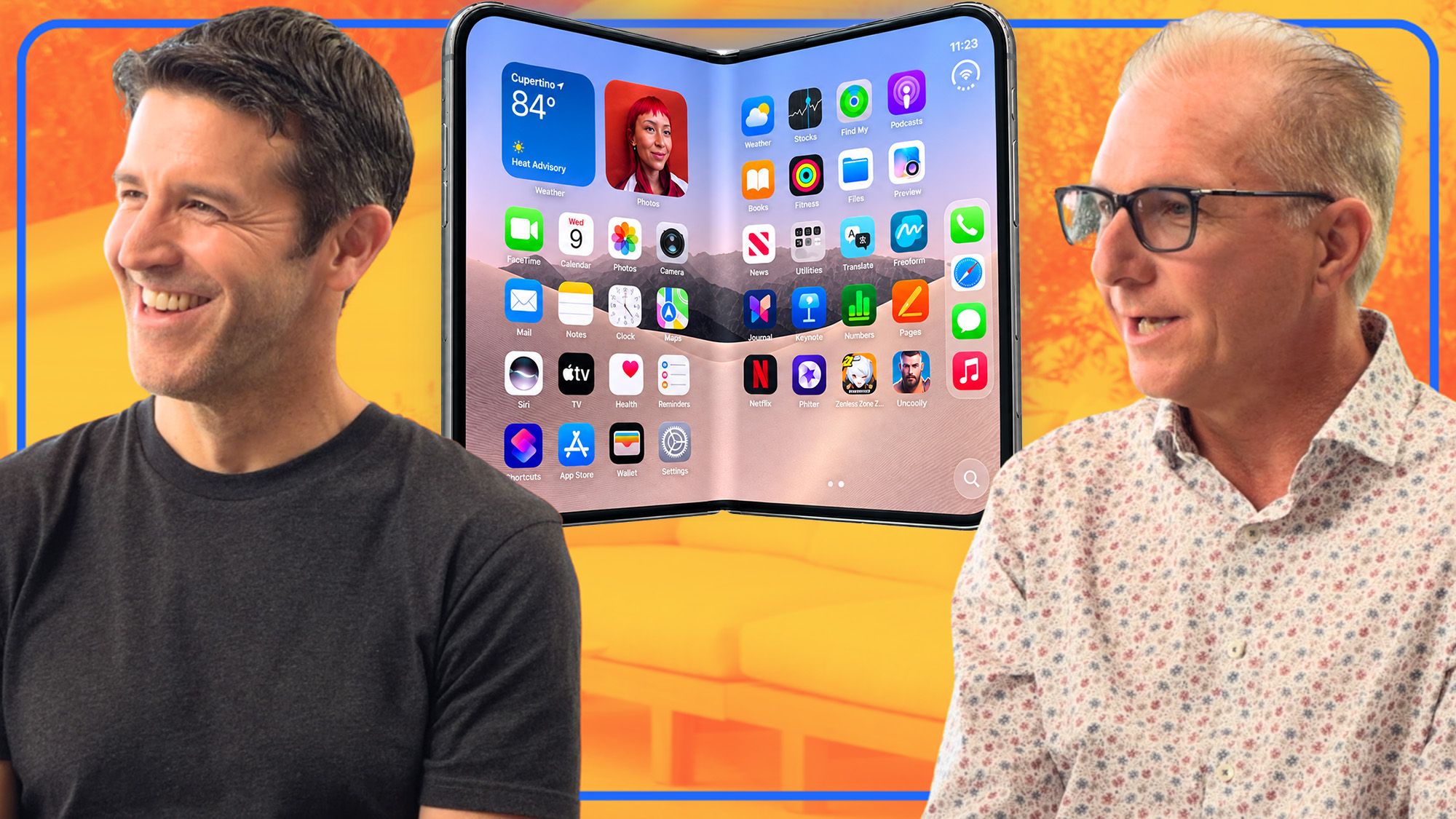
Priced at a starting point of $1,999, the iPhone Duo stands as the most expensive smartphone ever produced by the Cupertino-based company. Slated to hit retail shelves in late October, the device arrives alongside the iPhone 18 Pro and Pro Max, which also see a $100 price increase. In exclusive interviews conducted alongside industry analysts, Apple Chief Executive Officer John Ternus and Senior Vice President of Worldwide Marketing Greg Joswiak outlined the strategic rationale, technological hurdles, and ecosystem vision driving the company’s long-awaited pivot toward foldable technology.
The Long Road to a Foldable Form Factor
The launch of the iPhone Duo represents a decade-long internal development cycle. Throughout the rapid expansion of foldable devices across the Android ecosystem, critics frequently questioned Apple’s absence from the category. Industry analysts noted that while Samsung’s Galaxy Z Fold series and Google’s Pixel Fold line pioneered the passport-style folding format, they consistently battled consumer friction points, including prominent display creases, software fragmentation, and bulky chassis designs.
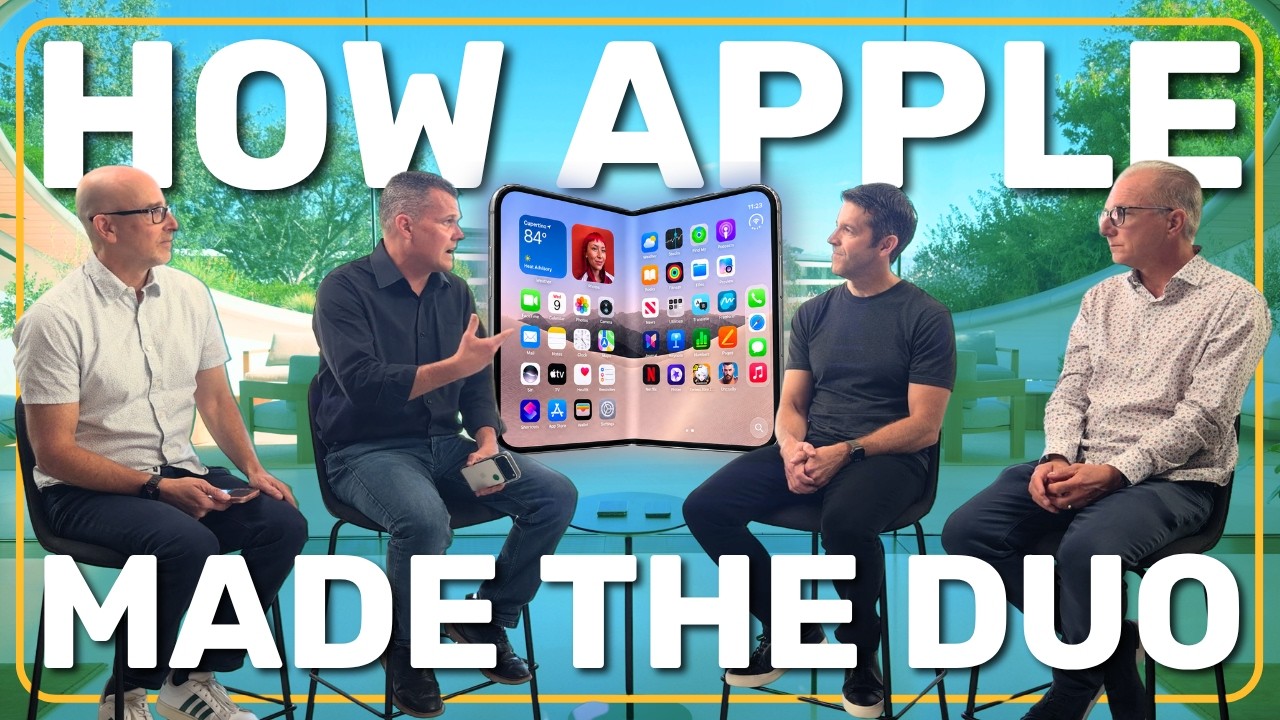
Apple executives maintain that their hesitation stemmed from a refusal to compromise on durability and design standards. According to Ternus, the company evaluates new hardware categories based strictly on whether the underlying technology can achieve seamless integration between hardware and software.
The breakthrough for Apple arrived with the adaptation of its proprietary nano-texture display technology. Originally developed for high-end desktop monitors like the Mac Studio Display and subsequently integrated into the iPad Pro and MacBook Pro lines, engineers successfully re-engineered the matte finish for polymer-based foldable surfaces. By diffusing ambient light and minimizing reflections, the nano-texture layer effectively eliminates the visual distraction of a central display crease while offering a tactile finish that avoids the tacky or uneven feel common in early plastic-screened foldables.
Software Optimization and Ecosystem Consistency
A central pillar of Apple’s marketing strategy for the iPhone Duo is its rejection of what executives term "half-baked" category entries. The Android foldable ecosystem has long struggled with third-party app scaling, where applications often default to poorly stretched smartphone interfaces or fail to utilize the expansive canvas of an unfolded 7.6-inch display effectively.
To circumvent this challenge, Apple initiated an extensive, behind-the-scenes collaboration program with key software developers months ahead of the October launch. Major applications—including Slack, Netflix, Zoom, and Instagram—have been optimized specifically for the Duo’s dual-screen architecture.

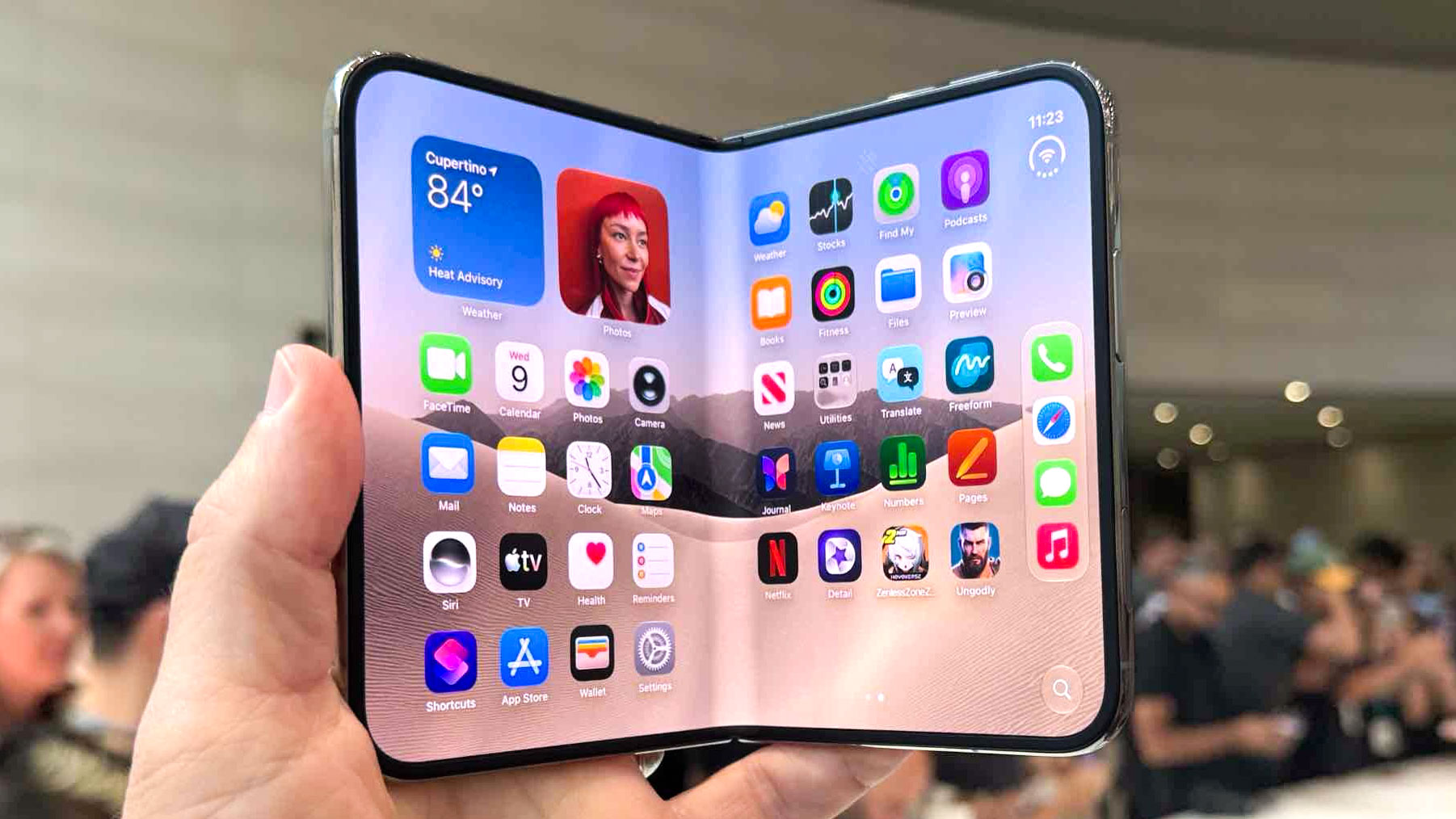
Furthermore, iOS has been comprehensively redesigned under iOS 27 to accommodate the unique folding form factor. Interface controls have been systematically relocated to the right edge of both the cover and main displays, ensuring that primary navigation elements remain consistently positioned under the user’s thumb regardless of whether the device is opened or closed. This architectural approach mirrors Apple’s historical strategy during the launch of the original iPad, where the company enforced strict developer guidelines to prevent the device from simply functioning as an oversized smartphone.
Bridging the Gap With Apple Pencil Support
The inclusion of Apple Pencil support on the iPhone Duo marks a notable evolution in Apple’s hardware philosophy. In 2007, during the introduction of the original iPhone, Apple co-founder Steve Jobs famously dismissed the necessity of styluses for smartphones.

However, executives emphasize that the iPhone Duo transcends traditional smartphone definitions by functioning as a hybrid device that bridges the gap between pocket-sized telephony and tablet-class productivity. Ternus noted that the company views the stylus not as a rigid rule violation, but as a natural utility for a device featuring a 7.6-inch canvas. While the Apple Pencil is positioned as an optional accessory rather than an essential inclusion, the capability is designed to appeal to enterprise users, note-takers, and digital creators operating on the go.
Engineering Upgrades and Pricing Justification
At $1,999, the iPhone Duo occupies an ultra-premium tier that will test consumer willingness to pay top-dollar for advanced form factors. Alongside the Duo, Apple’s standard flagship lineup—the iPhone 18 Pro and Pro Max—has also seen a $100 price increase, justified by substantial internal hardware revisions.

Both the Pro models and the iPhone Duo are powered by the new A20 Pro chip, paired with expanded vapor chamber thermal cooling systems, enhanced battery capacities, and newly engineered variable aperture camera systems. The Duo also introduces intelligent software features tailored to its hardware design, such as the Smart Take camera mode, which utilizes the device’s foldable hinge to prop itself up and automatically capture group photographs when all subjects are positioned correctly, eliminating the need for manual timers or tripods.
Market Implications and Competitive Outlook
The introduction of the iPhone Duo carries profound implications for the global smartphone market. Historically, Apple’s entry into an established product category serves as a catalyst for mainstream consumer adoption, frequently shifting market share and validating new technologies for the mass market.
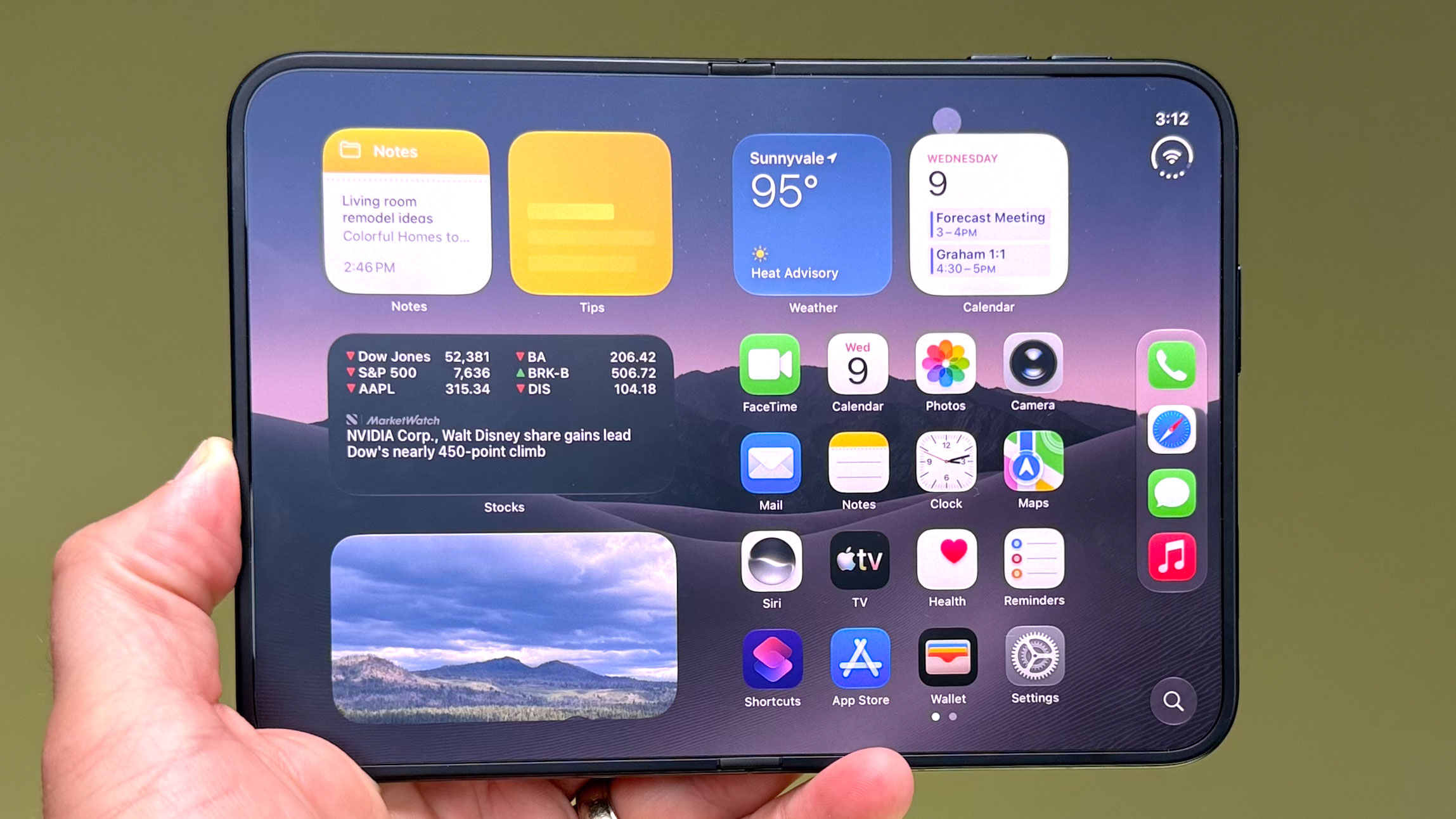
While Android manufacturers have spent nearly a decade refining hardware thinness and weight reduction, Apple has chosen to compete on ecosystem cohesion, bespoke software optimization, and material durability—specifically addressing the pain points of display longevity and app consistency that have historically limited foldable adoption to early tech enthusiasts.
With pre-orders underway and retail availability set for October 23, the success of the iPhone Duo will ultimately determine whether consumers are ready to embrace a $2,000 hybrid device that merges the daily utility of an iPhone with the expansive workspace of an iPad. As Joswiak summarized during the product briefing, Apple’s objective remains focused on delivering an integrated experience that feels significantly greater than the sum of its mechanical and digital parts.