YouTube Blurs the Line Between Mobile and Living Room as TV Becomes Its Dominant Viewing Screen

The modern living room is undergoing a fundamental transformation, and at the center of this shift is a platform that once lived exclusively on desktop monitors and smartphone displays. YouTube, the dominant force in digital video consumption, has confirmed that its largest screen for audience engagement is now the traditional television. Rather than treating the living room as a passive environment designed strictly for standard, long-form cinematic viewing, the tech giant is leaning aggressively into counter-intuitive, highly interactive features that traditionally belonged to mobile apps and web browsers.
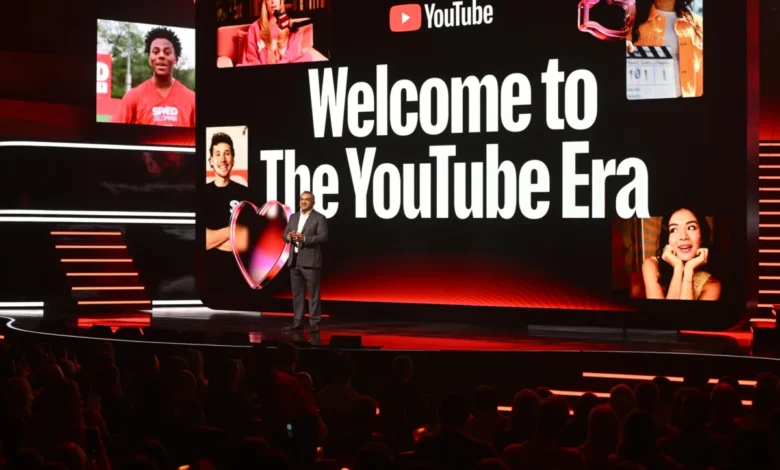
During its annual Made on YouTube event, company leadership unveiled nearly three dozen new features tailored for creators, viewers, and brands. This massive product rollout represents just a fraction of the platform’s aggressive developmental pace, with CEO Neal Mohan noting that the company has introduced roughly 3,000 product updates throughout the year. Among the newly introduced living room capabilities are the ability for television viewers to post comments, interact with channel community posts—which include still images and text updates—and seamlessly view episodic series via YouTube Shorts on the big screen.
These deliberate product integrations underscore a broader corporate strategy to capture audience attention by fusing the communal comfort of traditional television with the participatory mechanics of social media. Executives report that this engagement-driven philosophy has successfully propelled YouTube to the top of the Nielsen streaming charts for three consecutive years, commanding 14.2% of all television viewing time in the United States as of July.
The Evolution of Living Room Engagement
To understand the scope of this strategic pivot, one must examine how audience consumption habits have evolved over the past decade. Historically, the television set was categorized strictly as a "lean back" medium. Viewers would sit on the couch, select a program, and consume content passively from start to finish without any digital interaction.
However, product architects at YouTube argue that this binary distinction between active mobile engagement and passive television viewing is rapidly disappearing. Kurt Wilms, senior director of product management for YouTube on TV, challenged the traditional industry terminology during a post-event press briefing in New York.
"I wouldn’t call it passive. I would call it, like, lean back," Wilms explained to reporters. "I’m watching it. Something maybe happens in the show. And then I’m like, ‘Oh, well, I want to read the comments, or I want to leave a comment myself, or, wait, what did she just talk about in a different video? I wanna go to her channel and see.’ So now, instantly, I become a leaned-in viewer. And so I think it flows, ebbs and flows between the two. We don’t think of them as a hard line."
This fluid transition between relaxed viewing and active participation has driven the platform to systematically dismantle barriers between its mobile and television interfaces. Inside the company, product developers initially questioned whether these rapid-fire, smartphone-centric features belonged on a large family room screen. Nevertheless, direct consumer data and creator requests consistently pointed toward a demand for unified viewing experiences across all devices.
The Rise of Shorts and Communal Viewing on the Big Screen
Perhaps the most surprising success story in YouTube’s living room expansion is the rapid adoption of YouTube Shorts. Designed natively for vertical mobile screens, short-form video content would theoretically seem out of place on a landscape television display. Yet, the data tells a radically different story.
Today, viewers consume more than 2 billion hours of Shorts programming on television screens every single month. According to Wilms, the initial launch of Shorts on TVs solved an unaddressed consumer pain point regarding communal viewing.
"The first thing everyone was telling me about Shorts on the TV is there was no good way to watch this content with friends or family," Wilms noted. "The TV unlocked communal viewing for Shorts in a way that just wasn’t possible before."
Over the past two years, YouTube has systematically applied this strategy to other content formats previously thought incompatible with the television format, including gaming livestreams, long-form podcasts, and vertical video clips. The integration of comment sections on television screens faced initial internal skepticism—with product teams asking whether viewers genuinely wanted to read text feedback while sitting on a couch. Subsequent usage metrics proved the skeptics wrong. Although exact figures remain proprietary, internal estimates suggest that the volume of television viewers reading comments now rivals web-based engagement.
Content Modes and the Microdrama Boom
Rather than categorizing audiences by rigid demographics, YouTube’s consumer research indicates that modern viewers operate in distinct behavioral "modes" depending on the time of day and their social environment.
For instance, a user might utilize YouTube on their television as a home stereo system for music streaming during evening hours. Alternatively, families watching together with children might lean into shared programming modes. Another rapidly growing segment is the "Shorts mode," utilized by viewers who want to consume quick, bite-sized content during brief breaks without committing to a full-length video.
This appetite for rapid, serialized content has paved the way for the explosive growth of microdramas—a booming entertainment sector originally popularized within the Asian digital ecosystem. Featuring fast-paced, high-stakes narratives structured into bite-sized episodes, microdramas have found an unexpectedly massive audience on YouTube.
Platform metrics indicate that microdrama content has generated more than 6.5 billion views globally this year alone. On television screens specifically, microdrama viewership is experiencing a staggering 90% year-over-year growth rate. Industry analysts view this trend as evidence that traditional narrative pacing is adapting to the modern consumer’s fractured attention span and desire for personalized entertainment.
Strategic Implications for the Media Landscape
YouTube’s aggressive push into living room interactivity carries significant implications for the broader media and advertising ecosystem. By successfully merging social media interactivity with linear-style living room comfort, the platform is effectively challenging traditional cable networks, premium subscription streaming services, and social competitors alike.
The ability to maintain high viewer retention through free, ad-supported, and highly interactive content gives YouTube a distinct competitive advantage in an increasingly crowded streaming market. Furthermore, as brands gain access to the newly introduced television-specific features, digital advertisers will be forced to rethink how they formulate creative campaigns for the living room audience.
By staying true to the foundational DNA of user-generated content—which traces back to the platform’s very first upload, "Me at the Zoo" in 2005—YouTube has proven that adaptability is critical to long-term digital dominance. As the boundary between mobile devices and the living room continues to dissolve, the company’s ongoing product evolution signals a permanent shift in how humanity consumes and interacts with video media.