DirecTV Acquires Dish TV and Sling TV from EchoStar in Landmark Consolidation of the Pay-TV Industry

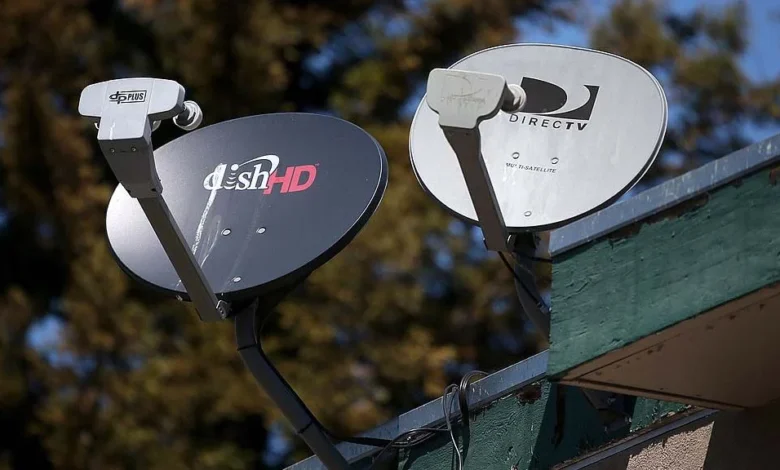
In a transformative move that reshapes the American telecommunications landscape, DirecTV has officially announced an agreement to acquire EchoStar’s entire video distribution business, including the satellite-based Dish TV and the streaming-focused Sling TV. The transaction, structured as a symbolic $1 purchase price accompanied by the assumption of billions of dollars in corporate debt, marks the end of a decades-long rivalry between the two largest satellite television providers in the United States. This consolidation occurs simultaneously with AT&T’s total exit from the video entertainment sector, as the telecommunications giant agreed to sell its remaining 70% stake in DirecTV to the private equity firm TPG. The multi-layered deal represents a strategic defensive maneuver against the relentless tide of "cord-cutting" and the dominance of global streaming platforms.
The Structural Mechanics of the Transaction
The acquisition is not merely a transfer of assets but a complex financial restructuring designed to stabilize two companies that have faced significant headwinds. Under the terms of the agreement, DirecTV will acquire EchoStar’s video units for $1, but the true cost lies in the assumption of Dish DBS’s substantial debt load, which is estimated to be approximately $9.75 billion. To facilitate the immediate liquidity needs of the combined entity, TPG Angelo Gordon, along with DirecTV and various co-investors, has committed $2.5 billion in financing. This capital injection is specifically earmarked to address Dish DBS’s looming debt maturity in November 2024, providing a crucial bridge as the companies move toward a full merger.
For AT&T, the deal marks the final chapter in a costly foray into the media world. After spinning off DirecTV into a joint venture with TPG in 2021, AT&T retained a majority stake. By selling that 70% interest to TPG, AT&T effectively decouples itself from the declining satellite TV market to focus exclusively on its core competencies: 5G wireless infrastructure and fiber-optic broadband expansion. TPG will become the sole owner of DirecTV, which will then absorb the Dish and Sling brands into a unified corporate structure.
A Strategic Response to the Streaming Revolution
The primary driver behind this merger is the dramatic shift in consumer behavior over the last decade. At their peak, DirecTV and Dish TV were the dominant alternatives to cable, providing hundreds of channels to rural and suburban households that lacked high-speed internet. However, the emergence of Netflix, YouTube TV, Disney+, and Hulu has eroded the traditional pay-TV model.
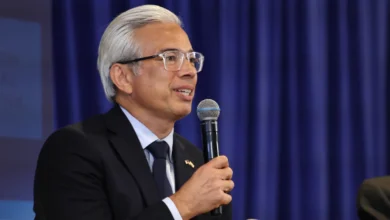
"DirecTV operates in a highly competitive video distribution industry," stated DirecTV CEO Bill Morrow, who will continue to lead the combined company alongside CFO Ray Carpenter. Morrow emphasized that the merger is about survival and relevance in an era of content fragmentation. "With greater scale, we expect a combined DirecTV and Dish will be better able to work with programmers to realize our vision for the future of TV, which is to aggregate, curate, and distribute content tailored to customers’ interests."
The combined entity will boast a subscriber base of approximately 20 million users. While this figure is significantly lower than the individual peaks of both companies—DirecTV once had over 20 million subscribers on its own, and Dish had over 14 million—the combined scale makes them the largest single pay-TV provider in the country, surpassing major cable operators like Comcast and Charter Communications.
Historical Context: A Merger Two Decades in the Making
The consolidation of DirecTV and Dish is a scenario that has been proposed, debated, and rejected multiple times over the last twenty years. In 2002, the two companies attempted a $26 billion merger that was ultimately blocked by the Federal Communications Commission (FCC) and the Department of Justice (DOJ). At that time, regulators argued that a merger would create a monopoly in the satellite TV market, particularly harming rural consumers who had no other access to multi-channel television.
The landscape of 2024 is unrecognizable compared to 2002. The rise of high-speed satellite internet services like SpaceX’s Starlink, the expansion of 5G home internet, and the ubiquity of fiber optics have rendered the "monopoly" argument largely obsolete. Today, satellite TV is no longer a dominant force but a niche service fighting for a share of a market dominated by tech giants. Industry analysts suggest that regulatory approval is far more likely today, as the merger is seen as a necessary step to prevent the total collapse of the satellite TV industry, which still provides critical service to millions of Americans in "digital desert" regions.
Financial Synergies and Economic Implications
DirecTV leadership has been transparent about the economic necessity of the deal. The company estimates that the integration of Dish and Sling will generate at least $1 billion in annual cost synergies. These savings are expected to be fully realized by the third year following the close of the transaction, which is tentatively scheduled for late 2025, pending regulatory hurdles.
The synergies will likely come from several areas:
- Infrastructure Consolidation: Merging satellite fleets, ground stations, and broadcast centers.
- Operational Efficiency: Eliminating redundant corporate roles and streamlining customer support and installation networks.
- Negotiating Leverage: A 20-million-subscriber block gives the new DirecTV significantly more power when negotiating carriage fees with content owners like Disney, Warner Bros. Discovery, and NBCUniversal. Recent disputes, such as the DirecTV-Disney blackout of 2024, highlight the rising costs of sports and entertainment programming that have pressured pay-TV margins.
The Role of EchoStar and the Shift to Wireless
For EchoStar, led by billionaire chairman Charlie Ergen, the sale of the video business is a calculated gamble to save the company’s wireless ambitions. EchoStar has been struggling to build out a national 5G network to compete with T-Mobile, Verizon, and AT&T. By offloading the debt-heavy Dish TV business to DirecTV, EchoStar clears its balance sheet of significant liabilities, allowing it to focus its resources on its spectrum holdings and its Open RAN 5G network.
The $1 purchase price reflects the market’s assessment of the satellite TV business as a "melting ice cube." However, by transferring the debt to the new TPG-owned entity, EchoStar avoids a potential bankruptcy filing that had been looming over its upcoming debt maturities.
Timeline of the Integration and Future Outlook
The road to a unified DirecTV-Dish entity will follow a strict chronological path over the next 18 to 24 months:
- Late 2024: Finalization of the $2.5 billion refinancing and completion of the AT&T-TPG transaction.
- Early 2025: Formal submission of the merger for regulatory review by the DOJ and FCC.
- Mid-2025: Anticipated period of public comment and regulatory scrutiny regarding competition in rural markets.
- Late 2025: Expected closing of the acquisition, followed by the commencement of brand integration.
The combined company will remain headquartered in El Segundo, California. While the brands—Dish, Sling, and DirecTV—may continue to exist in the short term to avoid consumer confusion, the long-term goal is a unified platform. This platform will likely emphasize "streaming-first" hybrid models, where satellite technology serves as a backup or a solution for low-bandwidth areas, while the primary user experience is delivered via the internet.
Analysis of the Broader Pay-TV Impact
This merger is a watershed moment that signals the end of the "Satellite Era" as an independent pillar of American media. For consumers, the impact will be twofold. In the short term, the combined scale might help slow the rise of monthly subscription prices by giving the provider more leverage against programmers. However, the consolidation also means less competition in the specific niche of satellite hardware.
The success of the new DirecTV will depend on its ability to transition from a hardware-dependent company to a premier content aggregator. As streaming services become increasingly fragmented, consumers are experiencing "subscription fatigue." DirecTV’s stated goal of "aggregating and curating" content suggests they aim to become the single interface through which users access Netflix, live sports, local news, and specialized apps.
Ultimately, the DirecTV-EchoStar deal is a pragmatic admission that the old ways of doing business are no longer sustainable. By combining forces, assuming massive debt, and streamlining operations, these two former rivals are betting that they can find strength in numbers, providing a stable platform for the millions of Americans who still rely on traditional television while pivoting toward a digital future. The $1 price tag may seem low, but the stakes for the future of the American media landscape could not be higher.