The Rising Cost and Scrutiny of Natural Gas Power for Tech Data Centers

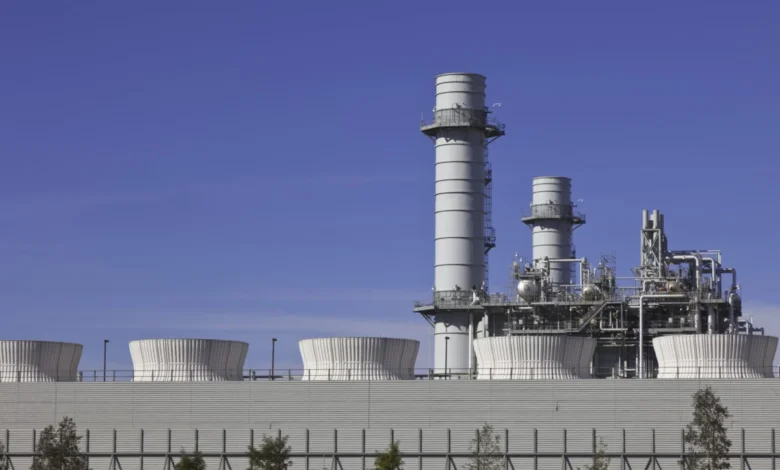
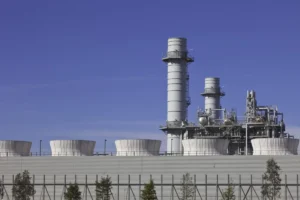
The insatiable appetite for electricity, particularly driven by the burgeoning field of artificial intelligence, is forcing major technology companies like Microsoft and Meta to increasingly rely on natural gas-fired power plants to fuel their data centers. However, this strategic pivot towards fossil fuels is encountering significant headwinds, with the cost of constructing these critical facilities experiencing a dramatic surge. A recent report by BloombergNEF reveals that the expense of building a new combined cycle gas turbine (CCGT) power plant has escalated by a staggering 66% over the past two years, presenting a substantial financial challenge for the tech giants.
This trend marks a departure from the previous strategy adopted by many in the tech sector, which favored grid-connected data centers underpinned by power purchase agreements (PPAs) for renewable energy sources like wind, solar, and battery storage. The escalating demand for power, coupled with growing public opposition to the environmental footprint of data centers, appears to be pushing companies towards a more direct, albeit costly, energy generation solution.
The Escalating Price Tag of Natural Gas Infrastructure
The BloombergNEF report highlights a stark financial reality for the industry. While natural gas prices have remained relatively low in the United States, even amidst geopolitical tensions such as the ongoing conflict in Iran, the capital expenditure required for new power generation has soared. In 2023, the cost to build a new CCGT power plant was less than $1,500 per kilowatt of generating capacity. By last year, this figure had climbed to $2,157 per kilowatt. This represents a significant increase of over 66%, adding millions of dollars to the already substantial investment required for such projects.
Furthermore, the construction timeline for these facilities has also lengthened considerably. It now takes an average of 23% longer to complete a new natural gas power plant, a delay that can impact project timelines and operational readiness for companies with rapidly expanding data center needs.
The Unprecedented Demand for Data Center Power
Data centers are at the epicenter of this surge in electricity demand. These massive facilities, housing the servers and infrastructure that power the digital world, are becoming increasingly energy-intensive, especially with the advent of advanced AI applications. The U.S. Energy Information Administration (EIA) has forecast that data center electricity demand is poised for exponential growth. Projections indicate a near tripling of current demand, from approximately 40 gigawatts (GW) today to an estimated 106 GW by 2035. This represents a nearly 2.7-fold increase in just over a decade.
Several factors contribute to this dramatic forecast. Firstly, the sheer scale of new data center developments is expanding. Currently, only about 10% of data center facilities are considered large, with a capacity of 50 megawatts (MW) or more. However, over the next ten years, the average data center is expected to exceed 100 MW, necessitating a proportionally larger and more robust power supply. This growth trajectory is directly fueled by the increasing computational demands of AI, machine learning, and other data-intensive technologies that are transforming industries and daily life.
A Shifting Energy Strategy: From Renewables to Natural Gas
Historically, many tech companies have pursued a strategy of securing renewable energy through Power Purchase Agreements (PPAs). These agreements allow companies to contract for electricity generated from wind, solar, and battery storage projects, thereby supporting the growth of clean energy while meeting their operational needs. For example, Google has recently been exploring innovative approaches to grid capacity, focusing on the integration of renewables with long-duration energy storage solutions, such as Form Energy’s iron-air batteries, capable of providing power for up to 100 hours. This approach offers a compelling alternative, as solar panels and batteries have seen their costs decrease over time, presenting a more cost-effective and environmentally sustainable option compared to the escalating expenses associated with natural gas power plants.
However, the confluence of surging electricity demand and growing public opposition to data centers appears to be reshaping this landscape. The Trump administration, for instance, has urged data center operators to "bring their own power," a directive that can be interpreted as encouraging self-sufficiency in energy generation. While utilities typically absorb the costs of new generation infrastructure and pass them on to consumers, the direct investment by tech companies in their own power sources is becoming more prevalent. This shift, however, is not without its critics and is contributing to a palpable "growing backlash" against data centers from the general public, who are increasingly concerned about the environmental impact and the strain on energy grids.

The Gas Turbine Bottleneck
The intensified pursuit of natural gas power plants has also created a critical bottleneck in the supply chain for gas turbines, a key component in CCGT facilities. By the end of the current year, prices for these turbines are projected to be a staggering 195% higher than they were in 2019. This dramatic price inflation is a direct consequence of a supply-demand crisis, where the rapid acceleration in demand for new power generation capacity has outstripped the manufacturing capabilities for these complex machines.
The intricate manufacturing processes required to produce gas turbines are not easily scaled up to meet sudden spikes in demand. This inherent limitation means that production lines are struggling to keep pace, leading to extended waitlists for new turbines that now stretch into the early 2030s. This scarcity and the associated price increases significantly impact the overall cost and timeline for constructing new natural gas power plants.
Geopolitical Factors and Energy Market Dynamics
While the cost of building power plants is escalating, the price of natural gas itself has remained relatively stable in the U.S. This stability can be attributed to several factors, including robust domestic production and strategic reserves. However, the global energy market is dynamic and susceptible to geopolitical events. The ongoing conflict in Iran, for instance, has the potential to disrupt global energy flows and influence commodity prices, although its immediate impact on U.S. natural gas prices has been somewhat contained thus far. Nonetheless, the reliance on fossil fuels inherently carries exposure to the volatility of international energy markets and potential supply disruptions.
Broader Implications and the Search for Sustainable Solutions
The current trend of major tech companies investing heavily in natural gas power plants carries significant implications. On one hand, it addresses the immediate need for reliable and substantial power to support the exponential growth of data-intensive technologies like AI. On the other hand, it raises serious concerns about the long-term environmental impact. Natural gas, while often presented as a "cleaner" fossil fuel than coal, still releases greenhouse gases, contributing to climate change.
The increasing construction costs and extended timelines for natural gas power plants may also incentivize a more aggressive pursuit of alternative energy solutions. Companies like Google’s proactive approach in exploring long-duration energy storage paired with renewables suggests a potential pathway forward. The decreasing costs of solar and battery technologies, coupled with advancements in grid management and energy efficiency, could offer a more sustainable and economically viable long-term strategy for powering the digital infrastructure of the future.
The growing public opposition, as evidenced by increasing backlash against data centers, also signals a societal demand for greater environmental responsibility from the tech industry. Balancing the immense power requirements of innovation with the imperative of environmental stewardship will be a critical challenge in the years to come. The current reliance on natural gas, while seemingly a pragmatic solution in the short term, may ultimately prove to be a costly and environmentally untenable one, pushing the industry to accelerate its transition towards truly sustainable energy sources.
The timeline of these developments can be roughly outlined as follows:
- Early 2020s: Initial surge in demand for data center power, driven by AI advancements and the general growth of digital services. Tech companies begin exploring energy solutions.
- 2023: Cost to build a new CCGT power plant is below $1,500 per kilowatt of generating capacity. Renewable energy PPAs are a primary strategy for many tech firms.
- 2024: The cost to build a new CCGT power plant rises to $2,157 per kilowatt, a 66% increase from 2023. Construction times for these facilities increase by 23%. Global geopolitical events, like the conflict in Iran, create potential for energy market volatility.
- Late 2024: Gas turbine prices are expected to be up 195% over 2019 levels due to supply-demand imbalances. Waitlists for turbines extend into the early 2030s.
- 2025-2035: Data center electricity demand is forecasted to grow from 40 GW to 106 GW. The average size of new data centers increases, further escalating power needs. Public opposition to data centers continues to grow.
- Beyond 2030: Companies like Google are actively investing in and outlining strategies for renewable energy paired with long-duration storage, signaling a potential shift away from sole reliance on fossil fuels for future power needs.
The ongoing "love affair" with natural gas by tech giants is therefore a complex and evolving narrative, marked by rising costs, supply chain constraints, and a growing imperative for sustainable energy solutions. The industry stands at a critical juncture, where decisions made today regarding energy infrastructure will shape its environmental legacy and economic viability for decades to come.
Related posts: