The best portable coffee makers for emergency preparedness and off-grid survival

Emergency preparedness experts have long emphasized the importance of stockpiling essential resources: potable water, non-perishable food, and reliable communication tools. However, maintaining morale during a crisis is a psychological factor that is frequently overlooked. As global supply chains face increasing volatility and the potential for infrastructure instability becomes a broader conversation among disaster-preparedness professionals, the ability to maintain a sense of normalcy—such as a morning cup of coffee—has shifted from a luxury to a functional requirement for sustaining productivity and mental clarity in high-stress environments.
While instant coffee is the standard solution for minimalist kits, modern advancements in portable brewing technology allow for the preparation of high-quality espresso and drip coffee without the need for traditional electrical grids. By shifting the focus toward portable, manual, or battery-operated extraction methods, individuals can secure a reliable caffeine supply even when municipal power or gas lines are compromised.
The Evolution of Off-Grid Brewing Technology
The demand for portable espresso solutions has seen a significant uptick in the last decade, driven by two distinct consumer groups: outdoor enthusiasts and disaster-preparedness proponents. Historical brewing methods, such as the percolator or simple drip-filter systems, often require significant water volume and heat sources that may not be sustainable in an emergency setting. In contrast, modern portable espresso makers, such as those utilizing pressure-pump technology, prioritize water conservation by producing highly concentrated, small-volume beverages that deliver the required stimulant effect with minimal resources.
Current industry data suggests that the "survivalist coffee" market—a niche within the broader outdoor gear sector—has grown by approximately 12% annually. This growth is attributed to the integration of versatile adapters that allow users to utilize various coffee formats, including ESE pods, Nespresso-compatible capsules, and fresh grounds, providing flexibility when specific supplies become scarce.
Comparative Analysis of Leading Portable Brewers
For those seeking to integrate a high-performance brewing solution into a long-term emergency kit, the market currently offers three distinct technological approaches: manual pressure extraction, battery-powered heating systems, and gravity-fed immersion brewing.
The Wacaco Nanopresso: Manual Pressure Extraction
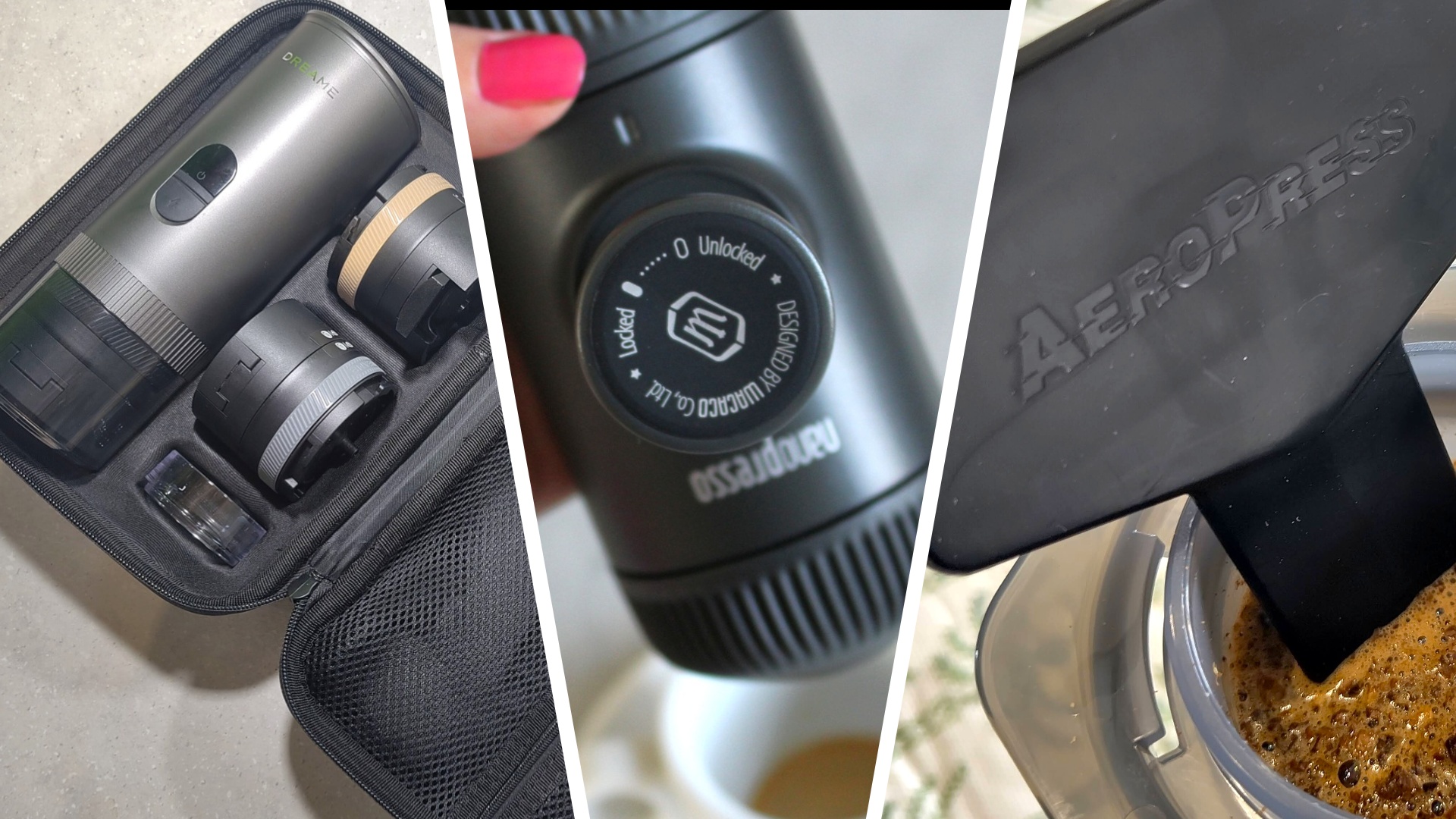
The Wacaco Nanopresso represents the gold standard for manual extraction. Utilizing a patented pumping system, it is capable of reaching 18 bars of pressure—the industry standard for high-quality espresso. Because the device is purely mechanical, it removes the vulnerability of electronic failure.
In a survival context, the device’s reliance on manual labor is an asset. The primary requirement is a source of hot water, which can be achieved via a compact camping stove such as the MSR Pocket Rocket 2. Studies on portable stove efficiency indicate that these devices can reach the optimal brewing temperature of 203°F (95°C) in under four minutes, a critical metric for minimizing fuel consumption during a crisis.
The Dreame Ecceluxe Go: Integrated Thermal Management
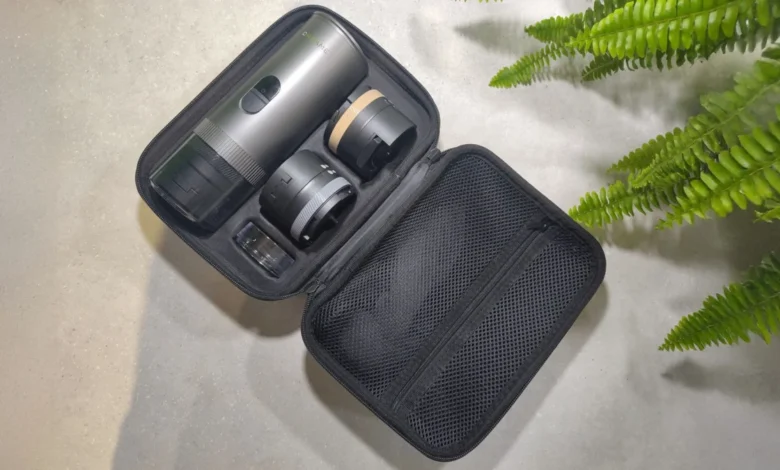
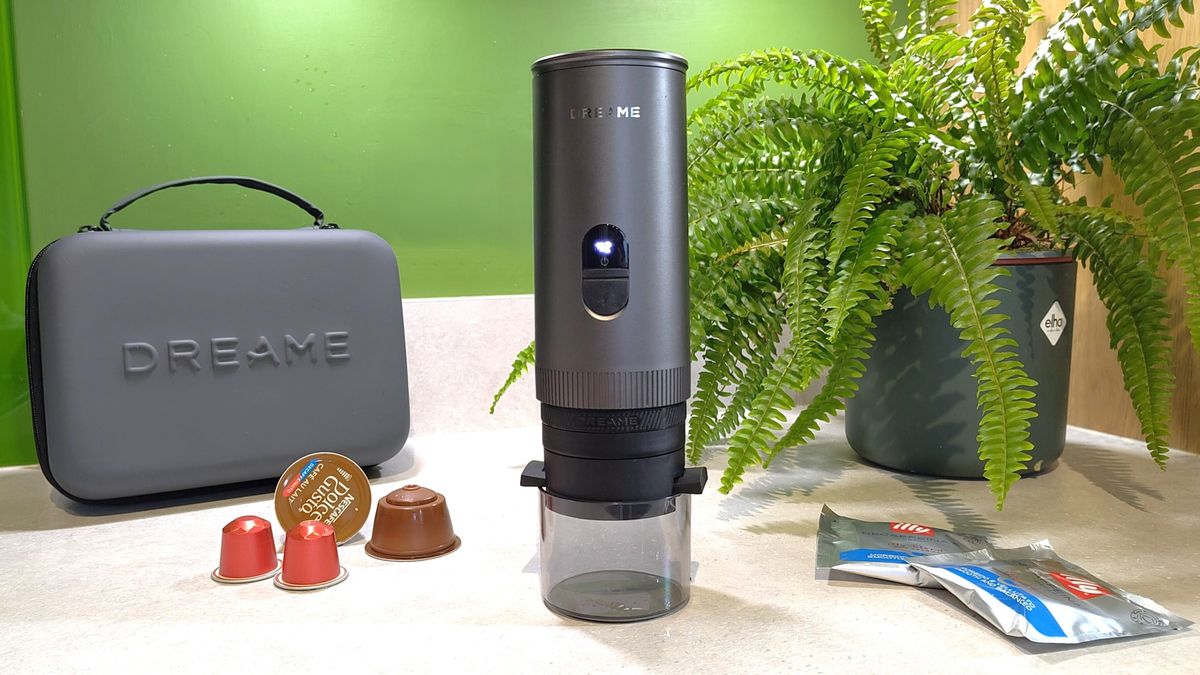
The Dreame Ecceluxe Go introduces a sophisticated, battery-operated alternative. Unlike manual devices, it features an integrated miniature boiler. This represents a significant shift in portable technology, as it eliminates the need for an external heat source. For users who might be sheltering in locations where open flames or gas stoves are prohibited or unsafe, the ability to heat water internally via a USB-C rechargeable battery is a distinct tactical advantage.

Testing indicates that while the heating process is energy-intensive, the device is capable of completing multiple extraction cycles on a single charge. When paired with a portable solar-charging power station, the Ecceluxe Go provides a near-infinite brewing capability, provided there is access to clean water.
The AeroPress: Durability and Versatility
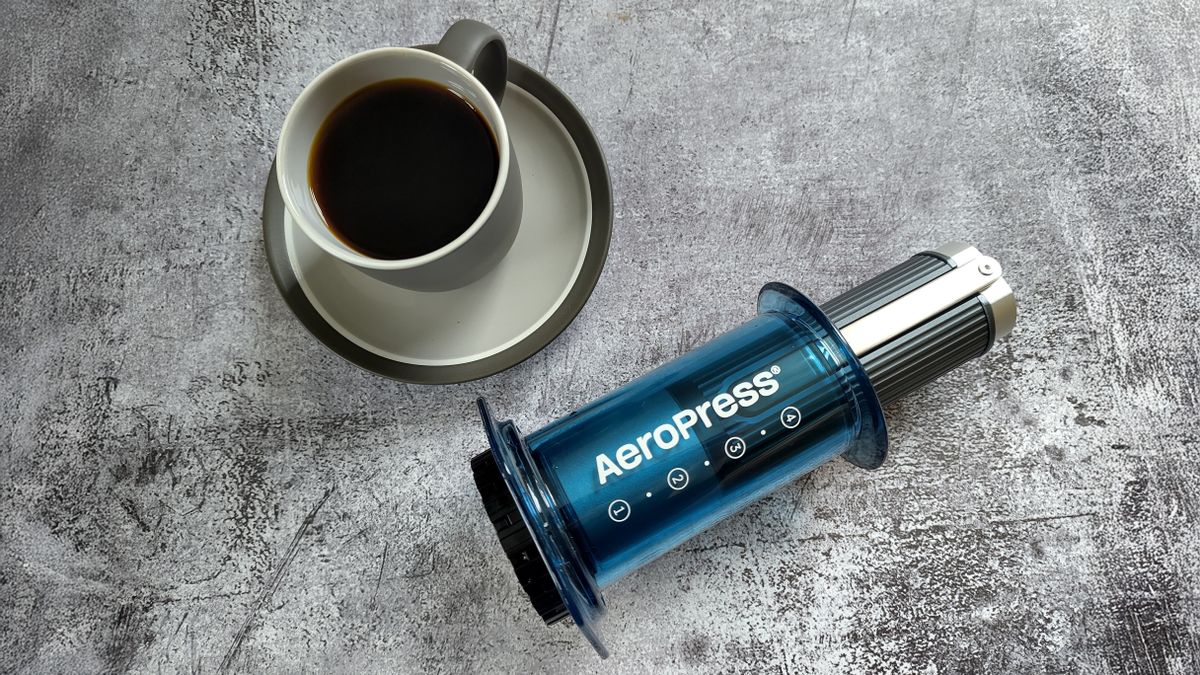
The AeroPress remains the preferred choice for those prioritizing durability and ease of maintenance. Utilizing an immersion-pressure hybrid method, it is nearly indestructible, making it ideal for bug-out bags or long-term storage in harsh environments. When combined with the dedicated AeroPress manual burr grinder, the user can process whole beans—which have a longer shelf life and better flavor retention than pre-ground coffee—without the need for electricity.
Storage Protocols and Resource Management
The success of any emergency coffee strategy is predicated on proper storage. Coffee is highly susceptible to degradation from four primary environmental factors: light, heat, oxygen, and moisture. In a survival scenario, pre-ground coffee loses its aromatic compounds rapidly, often within days of exposure to ambient air.
Experts recommend the following protocols for long-term storage:
- Whole Bean Preservation: Store coffee in opaque, vacuum-sealed containers to prevent oxidation.
- Thermal Regulation: Keep supplies in a climate-controlled environment to prevent the rapid breakdown of oils within the bean.
- Burr vs. Blade Grinding: Utilize manual burr grinders. Unlike blade grinders, which shatter beans inconsistently, burr grinders ensure a uniform particle size, which is essential for consistent extraction and efficient use of coffee grounds.
Broader Implications for Emergency Planning
The integration of high-quality coffee preparation into disaster preparedness is not merely a matter of convenience; it is a component of psychological resilience. Clinical studies have frequently cited the "comfort effect" of familiar rituals during periods of displacement or stress. The ability to control one’s immediate environment—even down to the quality of a morning beverage—can significantly reduce cortisol levels and improve decision-making capabilities.
Furthermore, the shift toward standardized capsules, such as ESE (Easy Serve Espresso) pods, offers a logistical benefit. These pods are hermetically sealed, shelf-stable for long periods, and require no measuring, which reduces the margin for error in a high-stress, low-light environment.
Strategic Considerations for Consumers
As manufacturers continue to innovate, the barrier to entry for portable, high-quality brewing continues to drop. However, consumers must weigh the trade-offs between "all-in-one" convenience and mechanical reliability.
- For absolute reliability: The mechanical, non-electric nature of the Wacaco Nanopresso or the AeroPress offers the least chance of system failure.
- For convenience and ease of use: The battery-integrated Dreame Ecceluxe Go provides a seamless experience, assuming the user has a consistent method for recharging the battery.
In conclusion, the modern emergency kit should be as robust as it is comprehensive. By selecting brewing equipment that aligns with one’s specific environment—whether it be a static urban shelter or a mobile survival scenario—individuals can maintain the essential routines that define their quality of life. As with all emergency supplies, these devices should be tested, maintained, and rotated as part of a regular preparedness schedule. The inclusion of high-quality manual coffee brewing equipment represents a sophisticated understanding of survival: one that accounts not only for the caloric and hydration needs of the body but for the sustained morale of the mind.