Fast-casual restaurant chain Sweetgreen is strategically redefining its market presence by pivoting focus toward the dinner daypart, supported by a permanent menu expansion and innovative experiential marketing initiatives. As consumer dining habits evolve and the demand for high-protein, hearty meals intensifies, the company is leveraging culinary transparency to capture a larger share of the evening dining market.
This strategic shift comes at a time of steady financial growth for the brand. During the third quarter of fiscal 2026, Sweetgreen reported a total revenue of $176 million, representing a 2.1% year-over-year increase. Company leadership attributes this financial resilience not only to the opening of net-new physical locations, but also to an evolving menu architecture designed to appeal to diners long after the traditional lunch hour has concluded.
Main Facts and Strategic Menu Evolution
Sweetgreen, long recognized as a pioneer in the fast-casual salad segment, has made a concerted effort to shed the "just a salad shop" perception. The introduction and subsequent permanent relaunch of the Warm Plates menu this month represent a cornerstone of this corporate evolution.
Unlike the brand’s traditional raw-vegetable salads, the rotating Warm Plates line features dinner-appropriate proteins, such as overnight-marinated, rotisserie-seasoned chicken and sustainably sourced salmon. These proteins are paired with hearty, warm side options including grains like rice and roasted vegetables.
Data released by the company indicates that this menu diversification is resonating strongly with consumers. Throughout the year, Warm Plates have accounted for 18% of all entrées ordered during dinner hours, compared to 15% during lunch. Furthermore, consumer behavior varies by geography, with approximately one in every five suburban orders including a Warm Plate, highlighting a strong suburban appetite for heartier evening meals.
Chronology of Experiential Marketing
Sweetgreen’s modern marketing strategy relies heavily on bridging the gap between digital discovery and tangible, real-world engagement. To promote its expanded menu offerings and foster deeper connections with regular and prospective customers, the brand has revived and modernized its approach to live experiential marketing.
Over the years, Sweetgreen has experimented with large-scale and mobile experiential campaigns. In its earlier corporate history, the company organized the prominent Sweetlife Festival, a music and food event that helped establish its cultural footprint. More recently, the chain deployed mobile food trucks across major metropolitan areas, including New York City, Washington, D.C., and Chicago, to sample its new line of wraps directly to urban commuters.
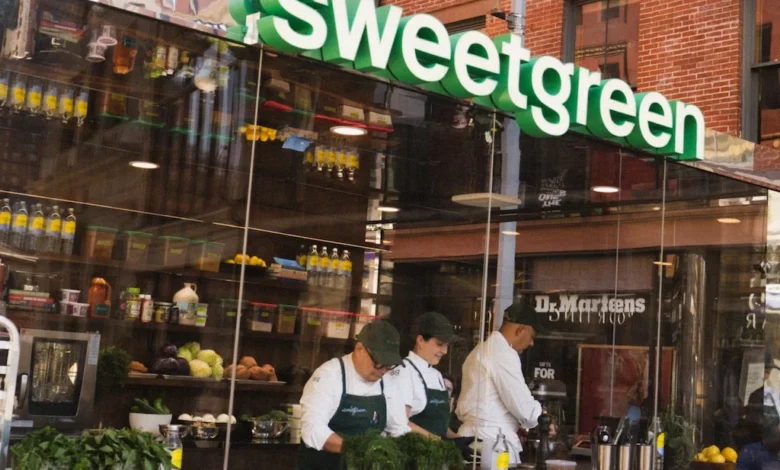
The culmination of this experiential strategy took place on November 20, when Sweetgreen launched its "Watch Us Cook" activation. Set against the backdrop of its Union Square restaurant in New York City, the event featured a fully functioning glass kitchen constructed outdoors. Operating as a day-long cooking marathon from 10 a.m. to 9 p.m., the activation allowed pedestrians, local visitors, and media representatives to observe culinary teams preparing meals from scratch. Passersby were given the opportunity to watch the intricate preparation processes and sample the newly introduced Warm Plates, anchored by the brand’s signature rotisserie-seasoned chicken.
Official Responses and Brand Philosophy
To gain deeper insight into the strategic mechanics behind these activations, Modern Retail conducted an interview with Sweetgreen’s Chief Commercial Officer, Zipporah Allen. During the discussion, Allen articulated the company’s vision for placing scratch-cooking methodologies at the forefront of its consumer outreach.
"So much of what makes Sweetgreen different happens behind the scenes," Allen explained during the interview. "We’re preparing real food from scratch every day, but that’s not necessarily something our customers get to see or fully appreciate when they’re picking up a meal. We saw an opportunity to change that. Rather than simply talking about our food philosophy, why not bring the kitchen directly to people?"
Addressing the balance between digital engagement and physical brand activations, Allen noted that while digital channels remain crucial for scale, sensory experiences are irreplaceable. In an era where consumers are inundated with screen-based media, physical activations provide a vital grounding mechanism for food brands.
"In a world where so much content is consumed through a screen, I would argue that it’s more important than ever for brands to show up in the physical world," Allen stated. "There’s an important role for both experiential and traditional marketing. Traditional channels like outdoor, social and digital help us reach people at scale, but food is inherently sensory. You can watch a video of someone cooking, but it’s completely different when you actually see the ingredients being prepared, smell the food and taste the final dish."
When discussing how the "Watch Us Cook" campaign aligns with the broader corporate roadmap, Allen emphasized the dual objective of expanding meal-occasion consideration while reinforcing product quality.
"One of our biggest priorities is expanding the meal occasions that consumers consider us for while reinforcing the quality that goes into our food," Allen noted. "We’ve built a strong association with salads and bowls, but there’s an opportunity to introduce people to so much more from Sweetgreen. As we get into the colder months, our Warm Plates platform with our new rotisserie-seasoned chicken offers something warm, hearty and satisfying."
Measuring Success and Future Metrics
Evaluating the return on investment for experiential marketing can often prove challenging for corporate leadership. However, Sweetgreen utilizes a multifaceted framework to assess the efficacy of campaigns like "Watch Us Cook."
According to Allen, the company evaluates success through a combination of short-term engagement metrics and long-term business impact. Immediate indicators include physical participation rates, local foot traffic, and the volume of media and social conversation generated by the event.
On the business front, executive leadership tracks top-of-mind brand salience, the acquisition of new customer demographics, cross-menu trial rates for existing patrons, and the reinforcement of core brand equities. However, Allen stressed that awareness is merely a preliminary step in building sustainable brand loyalty.
"Loyalty is built through repeated positive experiences with the brand, not a single event," Allen emphasized. "An activation might introduce someone to Sweetgreen or encourage an existing customer to try something new, but it’s the quality of that meal and the experience that bring the customer back. We think about experiential marketing as one piece of a much bigger relationship with our customers."
Broader Market Impact and Industry Implications
Sweetgreen’s strategic pivot arrives amid significant shifts in the broader fast-casual restaurant landscape. Consumer demands are increasingly shaped by wellness trends, prominent among them being a sustained cultural fixation on high-protein diets. As diners look for nutrient-dense, filling meal alternatives that fit active lifestyles, restaurants are compelled to adapt their menus to prevent protein fatigue and capture evening foot traffic, which traditionally benefits casual dining sit-down establishments rather than fast-casual counters.
By leaning into transparency through initiatives like the glass kitchen installation, Sweetgreen is addressing modern consumer skepticism regarding food sourcing and preparation standards. The fast-casual sector has faced rising pressure to demonstrate authenticity, particularly as ingredient costs fluctuate and health-conscious consumers scrutinize nutritional claims.
Furthermore, the expansion into the dinner daypart represents a vital financial frontier. Historically, fast-casual chains heavily reliant on the corporate lunch rush have experienced revenue vulnerability driven by remote and hybrid work models. By successfully capturing evening diners through hearty offerings like Warm Plates, Sweetgreen is structurally diversifying its revenue streams, ensuring greater sales stability across all operational hours.
As Sweetgreen approaches the close of fiscal 2026, the combination of disciplined financial management, menu innovation tailored to evening consumption, and high-visibility experiential marketing positions the brand to navigate a competitive and rapidly shifting culinary marketplace.