Square Enix just dropped Final Fantasy 10 and 10-2 for Nintendo Switch 2 with some key upgrades — but there’s…

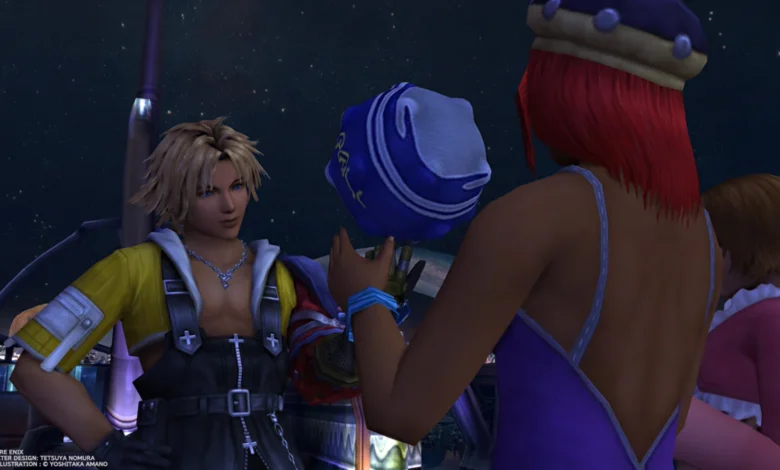
The primary point of contention for the gaming community is the absence of an upgrade path. Players who purchased the 2019 Nintendo Switch versions of these remasters are finding that their previous investment does not grant them a discount or a free transition to the enhanced Switch 2 edition. Consequently, owners of the original Switch titles must pay the full retail price again to access the technical improvements and quality-of-life features exclusive to the new hardware. This move deviates from recent industry trends where publishers often provide a nominal $10 upgrade fee or "Smart Delivery" equivalent for cross-generational titles.
Technical Enhancements and Performance Metrics
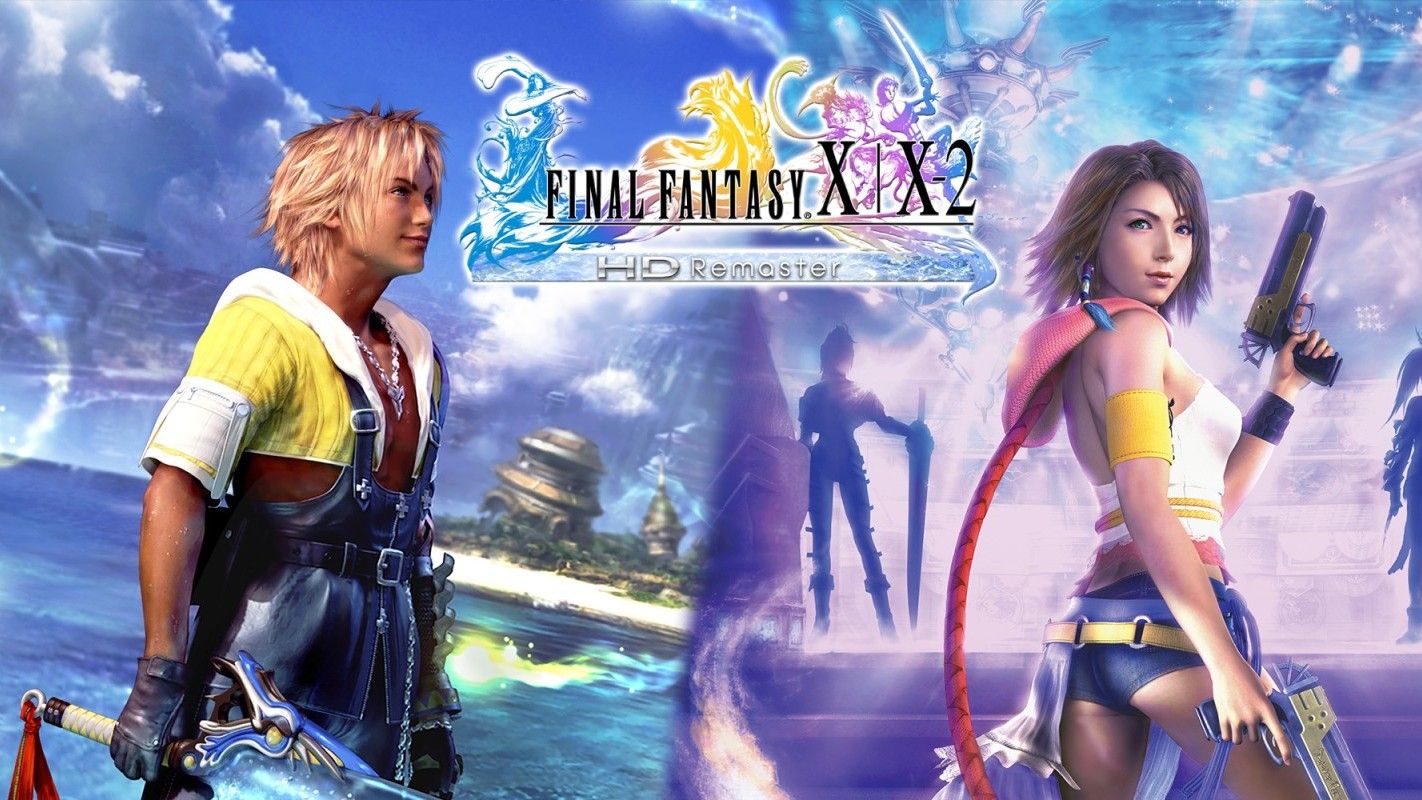
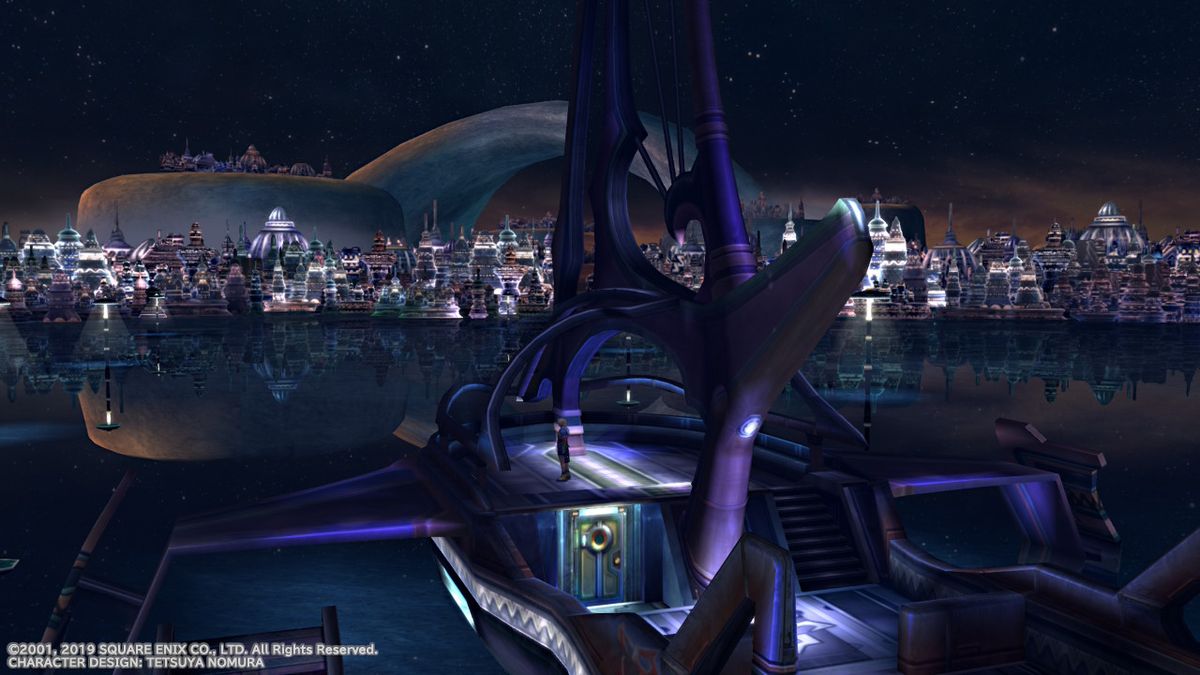
The Nintendo Switch 2 version of the Final Fantasy X/X-2 HD Remaster bundle offers several visual and functional upgrades that distinguish it from its predecessor. Early technical assessments and side-by-side comparisons indicate that the new port utilizes the increased processing power of the Switch 2 to deliver a significantly higher native resolution. Even when compared to the original Switch version running in the Switch 2’s "handheld mode boost" environment, the native Switch 2 port exhibits superior image clarity and sharper asset rendering.
Texture quality has seen a noticeable improvement, particularly in environmental geometry and background terrain. During cinematic dialogue sequences, the disparity in texture filtering and detail is most apparent, with the new hardware eliminating much of the blurring found in previous mobile iterations. However, despite the increased overhead of the Switch 2’s hardware, the games remain locked at 30 frames per second (fps). This frame rate cap is consistent with every previous release of the remaster, including the PlayStation 4 and PC versions. Industry experts suggest this limitation is likely rooted in the games’ original engine architecture, where character animations and game logic are intrinsically tied to the 30fps refresh rate, making a jump to 60fps a complex engineering challenge rather than a simple toggle.
Integration of PC-Exclusive Features
A major draw for the Switch 2 version is the inclusion of "game boosters" or quality-of-life (QoL) features that were previously exclusive to the PC (Steam) release. These features are designed to modernize the gameplay experience for a contemporary audience that may find the traditional grind of 20-year-old RPGs cumbersome. The newly added functions include:
- High-Speed Mode: Allows players to double or quadruple the speed of exploration and combat, significantly reducing the time required for travel and level grinding.
- Encounter Toggle: Provides the ability to turn off random enemy encounters entirely, allowing for uninterrupted exploration of the world of Spira.
- Auto-Battle Functionality: Streamlines combat by allowing the AI to handle basic commands.
- Resource Boosters: Options to instantly maximize gil (currency) or obtain specific items, effectively serving as built-in "cheat codes" for players interested primarily in the narrative.
While these additions are welcomed, their inclusion in a full-price release remains a point of debate. Critics argue that these features are software-level toggles that could have been implemented via a patch to the original Switch version, rather than being used as a justification for a new $49.99 purchase.
A Legacy Spanning Two Decades: The Chronology of Spira
To understand the significance of this release, one must look at the storied history of Final Fantasy X and its sequel. Originally released in 2001 for the PlayStation 2, Final Fantasy X was a watershed moment for Square (now Square Enix). It was the first entry in the series to feature fully voiced dialogue and 3D rendered environments, moving away from the pre-rendered backgrounds of the PlayStation 1 era.
The narrative follows Tidus, a star Blitzball player who is transported to the world of Spira after his home city of Zanarkand is destroyed by a colossal entity known as Sin. There, he joins a summoner named Yuna on a pilgrimage to defeat Sin and bring about a temporary period of peace known as the "Calm." The game’s emotional depth, Southeast Asian-inspired art direction, and the "Sphere Grid" progression system cemented its status as one of the greatest RPGs ever made.
In 2003, Square Enix released Final Fantasy X-2, the first direct sequel in the main series. Shifting the tone from somber pilgrimage to a high-energy, "Charlie’s Angels"-inspired adventure, it introduced the "Dressphere" system, which allowed for dynamic job-changing during combat.
The timeline of major releases for these titles is as follows:
- 2001/2003: Original PlayStation 2 launches.
- 2013/2014: HD Remaster launches for PlayStation 3 and PlayStation Vita.
- 2015: HD Remaster ported to PlayStation 4 with improved textures.
- 2016: PC (Steam) release featuring the first iteration of "game boosters."
- 2019: Nintendo Switch and Xbox One releases, bringing the games to a portable format for the first time since the Vita.
- Current: Native Nintendo Switch 2 release with integrated PC features and enhanced resolution.
Comparative Market Analysis and Official Responses
Square Enix’s decision to forego a save transfer feature has also drawn criticism. Players who have invested hundreds of hours into the 2019 Switch version cannot move their progress to the Switch 2 version. This lack of interoperability is unusual for modern hardware transitions, where cloud saves are typically expected to bridge the gap between console generations.
While Square Enix has not issued a formal press release addressing the lack of an upgrade path, the company’s historical strategy offers some insight. The publisher has frequently treated different platform releases as standalone products. For instance, the transition of Final Fantasy VII Remake from PS4 to PS5 included a free upgrade, but the subsequent "Intergrade" content was a paid expansion. In the case of Final Fantasy X/X-2, the company appears to be positioning the Switch 2 version as a "definitive" premium product rather than a technical patch.
Market analysts suggest that this pricing strategy targets two specific demographics: new Switch 2 owners who skipped the previous generation, and "super-fans" who desire the highest possible fidelity on a handheld device. However, this strategy risks alienating the mid-tier consumer base that has grown accustomed to the "buy once, play anywhere" philosophy promoted by competitors like Microsoft through its "Smart Delivery" program.
Broader Impact and Implications for the Industry
The release of Final Fantasy X/X-2 HD Remaster on the Switch 2 serves as a litmus test for how third-party publishers will handle the transition to Nintendo’s new hardware. If the Switch 2 is marketed on its backward compatibility features, the existence of separate, full-priced "native" versions of existing games could create confusion in the marketplace.
From a technical standpoint, the port demonstrates that the Switch 2 is capable of handling higher-resolution assets and improved texture filtering with ease, suggesting that other "legacy" remasters could see similar bumps in quality. However, the refusal to unlock the frame rate to 60fps may signal that many older titles are still bound by their original coding constraints, regardless of how much "teraflop" power the new console provides.
For the RPG genre, the continued relevance of Final Fantasy X highlights the enduring power of its narrative and world-building. Even 23 years after its debut, the journey of Tidus and Yuna remains a top-seller, proving that high-quality storytelling can transcend technological limitations. Yet, as the industry moves further into the digital-first era, the expectations for consumer-friendly practices—such as save transfers and upgrade paths—are becoming increasingly non-negotiable for the gaming public.
In conclusion, while the Nintendo Switch 2 version of Final Fantasy X and X-2 HD Remaster is undeniably the best-looking and most feature-complete version of the games on a Nintendo platform, the $49.99 barrier to entry for returning players remains a significant hurdle. As more third-party titles make the jump to the Switch 2, the industry will be watching closely to see if other publishers follow Square Enix’s lead or opt for a more inclusive cross-generational approach.