NBCUniversal and Philo Reach Carriage Deal Bringing Bravo and FAST Channels to the Budget vMVPD Lineup

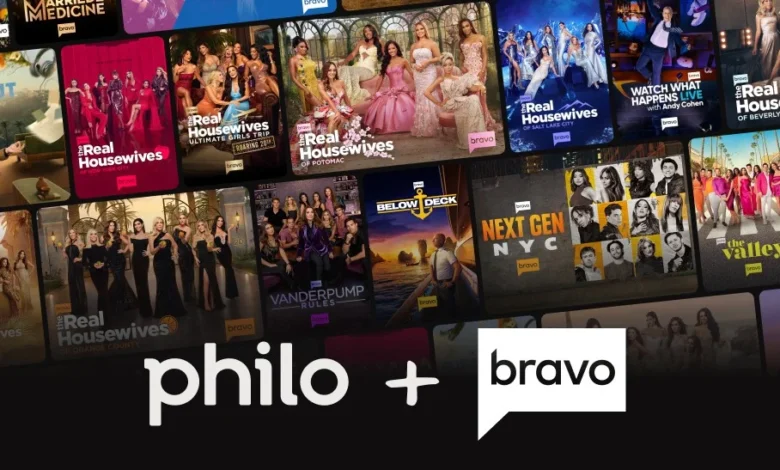
The landscape of modern television distribution continues to undergo a profound transformation as traditional broadcast giants and digital-first platforms find new ways to collaborate. In the latest sign of shifting industry dynamics, media conglomerate NBCUniversal and budget-conscious virtual multichannel video programming distributor Philo have officially announced a comprehensive carriage agreement. This strategic partnership successfully integrates Bravo—the cultural epicenter for powerhouse reality television franchises such as The Real Housewives and Below Deck—into Philo’s widely popular, low-cost streaming lineup. Beyond the live addition of Bravo, the collaborative pact also introduces a curated selection of NBCUniversal’s Free Ad-Supported Streaming Television (FAST) channels to Philo’s growing subscriber base, bridging the gap between linear cable programming and on-demand digital entertainment.
The deal marks a significant milestone for Philo, which has carved out a distinct and profitable niche in the hyper-competitive streaming ecosystem by deliberately bypassing costly sports and live news networks. By focusing heavily on lifestyle, general entertainment, and reality programming, Philo has maintained an affordable pricing model that stands in stark contrast to legacy virtual MVPDs. Industry analysts view the inclusion of Bravo as a watershed moment for the platform, addressing a long-standing content gap while underscoring NBCUniversal’s evolving willingness to adapt its distribution strategies to meet modern consumer habits.
Background and Context of the Philo Business Model
To fully understand the strategic implications of the NBCUniversal and Philo carriage agreement, one must examine the unique positioning of Philo within the broader pay-TV ecosystem. Founded originally as a targeted, campus-based television service designed to bring broadcast and cable networks to college dormitories, the company transitioned into a general consumer offering in 2017. Unlike industry heavyweights such as YouTube TV, Hulu + Live TV, and Fubo—which regularly command monthly subscription fees upwards of $75 to $80 largely due to the escalating costs of regional sports networks and 24-hour cable news channels—Philo charted a radically different path.
Philo’s foundational philosophy centers on affordability and targeted curation. The platform operates primarily on a streamlined $25-a-month subscription tier that delivers more than 70 linear channels focused exclusively on lifestyle, drama, and reality programming. For subscribers seeking a slightly broader entertainment scope, the company also offers a $33-a-month tier that bundles specialized add-ons including HBO Max, AMC+, Discovery+, and All Reality packages. This deliberate omission of expensive sports and news programming has insulated Philo from the severe carriage fee inflation that has plagued traditional cable and alternative streaming providers alike, allowing the company to sustain steady financial growth and build a fiercely loyal customer base.
Chronology and Evolution of the Carriage Negotiations
The path toward integrating Bravo into Philo’s lineup was neither quick nor straightforward; rather, it was the result of sustained discussions that spanned a considerable length of time. According to Philo Chief Executive Officer Mike Keyserling, the carriage agreement had been in development for quite a while, requiring both corporate entities to align their strategic objectives before a formal announcement could be made.
From Philo’s perspective, Bravo represented the ultimate missing puzzle piece. Given that the platform’s existing channel lineup is heavily weighted toward unscripted reality television and lifestyle content, the absence of Bravo—arguably the most culturally influential network in the reality TV space—was conspicuous. However, corporate negotiations involving premier cable networks and independent vMVPDs require delicate navigation regarding subscriber minimums, advertising splits, and tier placements.
As linear television viewership continues to decline and traditional cable bundles disintegrate, legacy media giants like NBCUniversal have demonstrated an increased flexibility in their distribution tactics. The blurring lines between linear broadcasting, on-demand streaming, and digital FAST channels have forced content owners to reconsider traditional exclusivity models. For NBCUniversal, partnering with an independent, fast-growing platform like Philo offers a lucrative avenue to monetize valuable cable assets and expand the reach of its ad-supported streaming portfolio to younger, cord-cutting demographics who may never subscribe to a traditional cable package.
Supporting Data, Financial Metrics, and Market Standing
The announcement of the carriage deal arrives at a position of notable financial and operational strength for Philo. As of data reported last year, Philo boasted approximately 1.3 million active subscribers, representing a robust 20-percent year-over-year increase compared to 2024 benchmarks. Furthermore, the company reported annual revenues hitting the $450 million milestone, cementing its viability as a standalone enterprise in an industry increasingly dominated by massive media conglomerates.
The broader streaming landscape has experienced profound consolidation over the past several years. Major corporate acquisitions—such as The Walt Disney Company’s integration of Fubo and Roku’s strategic takeover of Frndly TV—have steadily absorbed or eliminated independent competitors. Consequently, Philo now stands as the lone scaled, independent streaming bundle provider operating effectively in the North American market. Maintaining this independence while securing high-profile carriage deals with major studios like NBCUniversal demonstrates the company’s strong negotiating position and sustainable business model.
Philo’s deliberate rollout of the newly acquired content reflects a structured operational approach. Bravo will initially launch as a live, linear channel on the platform, ensuring that fans can tune in for real-time broadcasts of their favorite evening programs. To enhance the user experience further, comprehensive on-demand programming for Bravo titles will be integrated into the platform at a later date, allowing viewers to catch up on missed episodes at their convenience.
Official Statements and Executive Perspectives
Executives from both organizations have emphasized the mutual benefits of the agreement, framing it as a consumer-centric initiative designed to deliver high-demand content across diverse digital platforms.
Amy Geary, Executive Vice President of NBCUniversal Platform Distribution & Partnerships, highlighted the company’s overarching distribution philosophy. "At NBCUniversal, we’re focused on reaching consumers how and where they want to consume our content," Geary stated. "We’re excited that Philo subscribers will be able to enjoy all of the amazing Bravo shows that dominate pop culture."
Echoing these sentiments, Philo CEO Mike Keyserling reflected on the logistical journey required to finalize the partnership during his interview with industry media. "If you look at our lineup, which is definitely heavy with reality and lifestyle content, it’s definitely been a missing piece," Keyserling remarked. "We’ve wanted to launch it for a long time. We just had to wait for things to align in a certain way." Keyserling further noted that the shifting economic realities of the media industry have created a fertile environment for innovative distribution frameworks, pointing to recent collaborative efforts by NBCUniversal with massive tech platforms like YouTube and Amazon as evidence of a broader industry trend toward flexible, cross-platform partnerships.
Broader Industry Implications and Future Outlook
The integration of Bravo and select NBCUniversal FAST channels into Philo’s budget-friendly ecosystem carries significant implications for the future of television distribution and packaging. As traditional pay-TV subscriptions continue to erode due to cord-cutting, media companies are under mounting pressure to maximize the monetization of their intellectual property across every available screen.
For NBCUniversal, distributing Bravo through a low-cost vMVPD ensures continued viewer engagement and expanded advertising impressions, which are critical as linear ratings decline and advertiser budgets migrate to digital environments. Additionally, bundling FAST channels alongside traditional linear feeds aligns with consumer demand for hybrid viewing experiences that combine scheduled programming with on-demand and ad-supported streaming options.
For Philo, the addition of Bravo serves as a powerful customer acquisition and retention tool. In a crowded marketplace where differentiation is increasingly difficult, offering marquee cultural touchstones like The Real Housewives without forcing consumers to pay for expensive sports packages gives Philo a distinct competitive advantage. It reinforces the viability of the "skinny bundle" concept, proving that targeted, cost-effective entertainment packages can successfully attract millions of subscribers while securing lucrative partnerships with major Hollywood studios.
As the media industry moves further into an era defined by content democratization and platform convergence, agreements like the one forged between NBCUniversal and Philo illustrate that smart, adaptable distribution models can yield mutual growth. By aligning their commercial interests, both companies have ensured that popular cultural content remains accessible to evolving audiences, setting a benchmark for future collaborations in the dynamic world of digital television.
Related posts: