Navigating a Cyclospora Outbreak: How Unaffected Lettuce Brands Are Fighting for Consumer Trust and Revitalizing the Fresh Produce Market

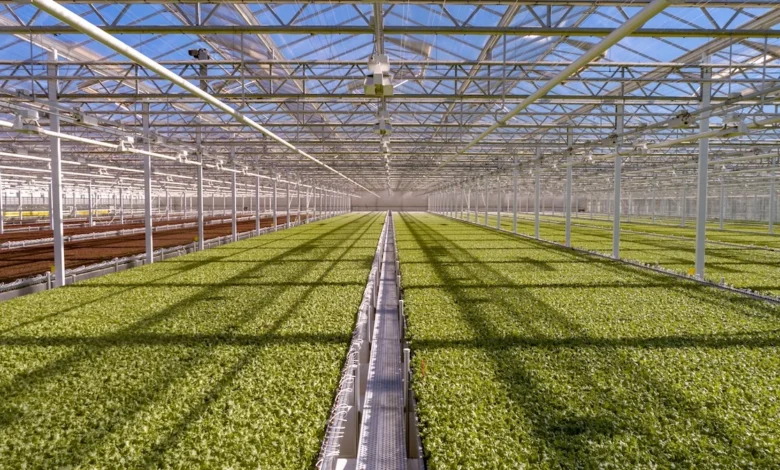
In the wake of a widespread Cyclospora outbreak that has sickened thousands across the United States, lettuce growers employing advanced cultivation methods and major salad chains are launching concerted consumer education campaigns to unequivocally affirm the safety of their products. This proactive stance aims to quell mounting public anxiety and distinguish their offerings from contaminated sources, thereby safeguarding consumer confidence in the fresh produce sector.
The Cyclospora Threat: Understanding the Outbreak and Its Impact
The current crisis stems from Cyclospora cayetanensis, a microscopic parasite that causes an intestinal infection known as cyclosporiasis. Symptoms typically include watery diarrhea, loss of appetite, weight loss, abdominal cramps, bloating, increased gas, nausea, and fatigue. While often not life-threatening, cyclosporiasis can be debilitating, lasting from a few days to a month or more, with relapses common. The parasite is typically spread when people ingest food or water contaminated with Cyclospora oocysts (infectious eggs), often through fresh produce that has come into contact with contaminated soil, water, or human or animal waste. Unlike many bacteria, Cyclospora is not killed by typical sanitizing methods used in home kitchens, and it is resistant to common disinfectants like chlorine. The Centers for Disease Control and Prevention (CDC) has indicated that the only surefire way to eliminate the parasite is to cook produce to an internal temperature of at least 158 degrees Fahrenheit, a method largely impractical for fresh salads.
Since May 1, the U.S. has grappled with a significant surge in cyclosporiasis cases, with federal health authorities reporting over 4,173 laboratory-confirmed instances. This marks a substantial increase compared to typical seasonal numbers, prompting widespread concern. A portion of these cases has been linked to iceberg lettuce in nine different states, though the initial identification of a specific supplier, Taylor Farms, was later muddled by conflicting information from health officials.
A Challenging Investigation and Shifting Narratives
The investigation into the source of the outbreak has been protracted and challenging, characteristic of foodborne illness tracing. More than a month after the initial reports, federal officials continue their intensive efforts to pinpoint the exact origin. This complexity was exemplified by the evolving narrative surrounding Taylor Farms. On July 17, Taylor Farms voluntarily initiated a recall of iceberg lettuce after federal investigators suggested a link to the multi-state outbreak. This prompted fast-food giant Taco Bell, a client of Taylor Farms, to promptly remove the implicated lettuce from its menu as a precautionary measure. The following day, the U.S. Food and Drug Administration (FDA) announced that a sample of iceberg lettuce from Taylor Farms had tested positive for Cyclospora. However, in a perplexing turn of events, the FDA subsequently declared this finding to be a "false positive," retracting its initial confirmation and adding a layer of confusion to an already anxious public.
Further complicating the situation, on July 22, officials announced the identification of a new outbreak, encompassing 72 additional cases, yet without specifying a source. This lack of clear, consistent information regarding the outbreak’s origin has fueled public apprehension, leaving consumers uncertain about what produce is safe to consume. The CDC’s decision in 2025 to scale back on comprehensive Cyclospora tracking further limits the overall data available, making it harder to establish robust epidemiological links and provide timely, definitive answers.
Proactive Measures: Brands Reassure Consumers
In response to the pervasive uncertainty and the potential for widespread reputational damage across the entire fresh produce industry, unaffected brands and lettuce growers have swiftly initiated comprehensive trust-building campaigns. These efforts are designed to clearly differentiate their products and supply chains from the outbreak, leveraging transparency and consumer education.
Gotham Greens, an innovative controlled environment agriculture (CEA) company founded in New York, quickly moved to reassure its customer base. The company utilized social media platforms, including Facebook and Threads, to communicate that its products are cultivated in technologically advanced indoor hydroponic greenhouses. This controlled environment, they emphasized, inherently protects their greens from outdoor contaminants, rendering them unaffected by the current outbreak. Jodi Genshaft, Gotham Greens’ VP of Marketing, explained to Modern Retail that the company decided to issue more information after observing "an increase in questions from consumers," receiving over 1,300 messages via social media and email. Gotham Greens highlights that its growing process does not involve soil, dirt, manure, or chemical washing agents, and relies on independent testing to monitor water quality.
These proactive communications have yielded tangible results. Gotham Greens reported an astounding surge in website traffic, up more than 800% from July 9-19 compared to the preceding 10 days, with social media engagement rates also showing double-digit increases. Their posts about the outbreak garnered over 9,000 likes across various platforms, eliciting positive consumer feedback. One Threads user commented, "Bought some today and it was so fresh! I am a first time customer, and you immediately became my preferred brand." Another Facebook user echoed this sentiment, stating, "You just earned yourself another customer. Going out tomorrow to find your greens." Genshaft articulated the company’s broader objective: "We believe that consumers deserve to know how and where their food is grown. Giving people greater transparency into how their food is produced empowers them to make better, safer and more informed decisions for themselves and their families."
Similarly, Little Leaf Farms, based in Massachusetts with additional greenhouses in Pennsylvania, adopted a highly visible approach. The company published a detailed post about its lettuce cultivation process and released three engaging Instagram videos featuring its CEO and founder, Paul Sellew. In these videos, Sellew, wearing a hairnet and standing amidst rows of pristine lettuce in a greenhouse, meticulously explains the brand’s growing methods. He highlights why Little Leaf Farms’ lettuce is safe to eat without washing, confidently stating, "I eat it every day unwashed, and it’s perfectly fine." The company emphasizes its use of treated rainwater and human-quality drinking water for irrigation, ensuring leaves remain dry and uncontaminated. Sellew underscored the inherent safety advantage of their system in an interview with Modern Retail: "[Our product] is separate and distinct from the field product, which is where, historically, all these food safety incidents have come from." In its decade of operation, Little Leaf Farms has maintained a flawless food safety record. Sellew, while acknowledging he’s "not really a social media person," recognized its critical role in consumer education, stating, "For us, it’s an opportunity to educate people about our process. We welcome the scrutiny. We want people to know what we’re doing." The brand’s educational content has resonated strongly, accumulating over 77,000 likes on Instagram, with users appreciating the transparency. One Instagram user remarked, "I definitely appreciate you being transparent about how your lettuce is grown. People are scared and are depriving themselves of fruits and vegetables because they are unsure of the source they’re receiving them from."
Fast-casual chain Sweetgreen, which also experienced a decline in foot traffic, issued an open letter from its founders and posted multiple messages across X (formerly Twitter) and email to reassure its clientele. On July 17, Sweetgreen affirmed, "From the outset of the investigation, we have been in close contact with our suppliers to determine whether any ingredients in our supply chain have been identified as part of the investigation. To date, none have been." Further communications reiterated that "Our food has not been identified in connection with the current cyclospora outbreak," signaling their commitment to food safety and transparency.
The Rise of Controlled Environment Agriculture (CEA) in Crisis
The cyclospora outbreak has inadvertently spotlighted the growing importance and inherent advantages of Controlled Environment Agriculture (CEA). Companies like Gotham Greens and Little Leaf Farms, which operate indoor hydroponic or aeroponic farms, are uniquely positioned to offer a higher degree of food safety assurance. In CEA systems, produce is grown in enclosed, climate-controlled environments, minimizing exposure to external contaminants such as wildlife, agricultural runoff, and human handling that are common sources of pathogens in traditional field farming.
Key aspects of CEA that mitigate food safety risks include:
- Controlled Water Sources: Often utilizing purified, filtered, or recycled water, reducing the risk of waterborne pathogens.
- Absence of Soil: Growing in inert mediums or directly in water eliminates soil-borne contaminants.
- Pest and Disease Management: Enclosed environments allow for stricter control over pests, reducing the need for pesticides and the associated risks of contamination.
- Climate Control: Regulating temperature and humidity helps prevent the proliferation of pathogens.
- Minimized Human Contact: Automated systems reduce the potential for contamination from human handlers.
During a food safety crisis, these inherent protections become powerful marketing tools, allowing CEA brands to confidently assert their products’ safety and reliability, thereby differentiating themselves in a distressed market.
Broader Industry Impact: Foot Traffic and Sales Declines
Despite the proactive measures by some brands, the pervasive fear and confusion surrounding the cyclospora outbreak have had a tangible negative impact across the fresh produce industry and associated food service sectors. The crisis has become, as public relations and crisis communications expert Andy Barr described, "a classic case of reputation spreading faster than contamination." Barr noted that many consumers, upon hearing news of a lettuce outbreak, instinctively worry about all fresh greens, irrespective of origin. This phenomenon explains why "unaffected brands are moving quickly to separate their supply chains from the story."
Data from Placer.ai illustrates the immediate economic fallout. On July 18, foot traffic at several fast-casual restaurants specializing in salads and bowls experienced significant declines compared to the average from January 1 to July 6. Chopt saw a 24% drop, Chipotle a 5.9% decrease, and Cava a 4.7% reduction. Taco Bell, directly impacted by the initial (later retracted) link to Taylor Farms, experienced a dramatic 29.8% fall in foot traffic. In an attempt to mitigate these losses and win back customers, Taco Bell resorted to offering a "$1 lettuce-free deal," highlighting the extent of the crisis’s impact on their operations.
Even brands that have aggressively communicated their safety, such as Little Leaf Farms, have not been entirely immune. Paul Sellew acknowledged that while his company was not as negatively impacted as the overall category, sales were still down "due to the fear that is out there in the market right now." This underscores the systemic nature of consumer apprehension during widespread food safety scares, where a single incident can cast a shadow over an entire product category.
The Science of Food Safety: Prevention and Challenges
The challenges faced by federal officials in tracing the cyclospora outbreak highlight inherent difficulties in foodborne illness investigations. Unlike bacterial pathogens that can often be cultured relatively quickly, Cyclospora requires specialized laboratory techniques for detection. Its long incubation period (typically one week, but ranging from 2 to 14 days or more) also complicates traceback efforts, as consumers may struggle to recall specific food items consumed days or weeks prior to symptom onset. Furthermore, the parasite’s resistance to common sanitizers means that standard food handling practices are insufficient for prevention once contamination has occurred.
The CDC’s recommendation to cook produce to 158 degrees Fahrenheit, while scientifically sound for killing the parasite, presents a paradox for consumers seeking fresh, uncooked greens for salads. This advice inadvertently underscores the vulnerability of raw produce to such pathogens and reinforces the public’s need for assurance regarding the safety of their fresh food choices. The fragmented nature of food production and distribution, involving multiple growers, processors, and distributors, further complicates the task of pinpointing a single source in multi-state outbreaks.
Building Trust in a Crisis: Communication Strategies
In this environment of heightened public concern and operational challenges, communication becomes paramount. As Andy Barr noted, companies directly linked to an outbreak face the formidable challenge of "transparency and being seen to take rapid action." For brands not implicated, the objective shifts: "Their comms objective isn’t to defend themselves from blame – it’s to remove uncertainty before it changes buying behavior." This involves not just declaring innocence but actively educating consumers about their safety protocols, supply chain integrity, and differentiating factors.
The success of Gotham Greens and Little Leaf Farms in increasing engagement and attracting new customers demonstrates the effectiveness of clear, proactive, and transparent communication. By providing detailed insights into their growing processes, showcasing their facilities, and having leadership directly address consumer concerns, these brands have effectively built a narrative of safety and trustworthiness. This approach goes beyond mere damage control; it aims to "restore confidence in fresh produce" more broadly, as Genshaft articulated.
Looking Ahead: Recovery and the Future of Produce Safety
The cyclospora outbreak serves as a stark reminder of the persistent challenges in ensuring food safety, particularly with fresh produce. The ripple effects, from plummeting restaurant foot traffic to altered consumer purchasing habits, underscore the significant economic and public health implications. While the immediate focus remains on resolving the current outbreak and restoring sales, the long-term implications are profound.
The incident is likely to accelerate consumer demand for greater transparency in food sourcing and production methods. It also reinforces the value proposition of Controlled Environment Agriculture, which can offer a compelling narrative of safety and reliability. For traditional field growers, the crisis may prompt a re-evaluation of current food safety protocols, water management practices, and supply chain oversight.
As Paul Sellew pondered, "How long will it last? We’ll see. This investigation has to come to some kind of conclusion, and as the word comes out that our product is safe to eat, hopefully, sales will recover and people will get back to their normal eating patterns." The recovery of the fresh produce market hinges not only on the resolution of the current outbreak but also on the industry’s collective ability to rebuild and sustain consumer trust through unwavering commitment to safety, transparency, and effective communication. The lessons learned from this cyclospora crisis will undoubtedly shape the future of food production and consumer engagement in the years to come.