Mux Introduces Customizable Spending Alerts to Help Organizations Manage Usage-Based Cloud Infrastructure Costs

The modern landscape of cloud computing and software architecture has undergone a profound shift away from rigid, predictable subscription tiers toward usage-based pricing models. While this dynamic framework offers unprecedented scalability and ensures that organizations only pay for the exact compute, storage, and bandwidth they consume, it introduces a unique set of financial management challenges. Sudden traffic spikes, unmonitored test environments, or unexpected viral moments can quickly transform a modest monthly invoice into a budgetary crisis. Addressing this operational vulnerability head-on, video infrastructure platform Mux has officially rolled out a comprehensive spending alerts system designed to give development and finance teams real-time visibility and proactive control over their resource expenditures.
The newly launched feature, announced by Product Manager Aaron Hedges, allows platform customers to establish customized financial thresholds within their organization settings. By bridging the gap between passive consumption and active fiscal governance, Mux aims to eliminate end-of-month billing surprises. In the fast-paced world of digital media and web development, discovering that a test live stream was left running continuously over a weekend—or that a project unexpectedly captured the attention of the tech community on aggregator sites like Hacker News—at the conclusion of a billing cycle is a costly mistake. With this update, Mux is empowering technical leaders to catch anomalies while they are still manageable.
The Mechanics of Proactive Cost Management
Under the traditional SaaS paradigm, cost overruns were typically guarded by hard limits or rigid tier upgrades. However, usage-based infrastructure requires a more nuanced approach, balancing uninterrupted user experiences with strict budget parameters. The new alerts system functions as an automated sentinel, continuously monitoring organizational consumption against user-defined dollar amounts.
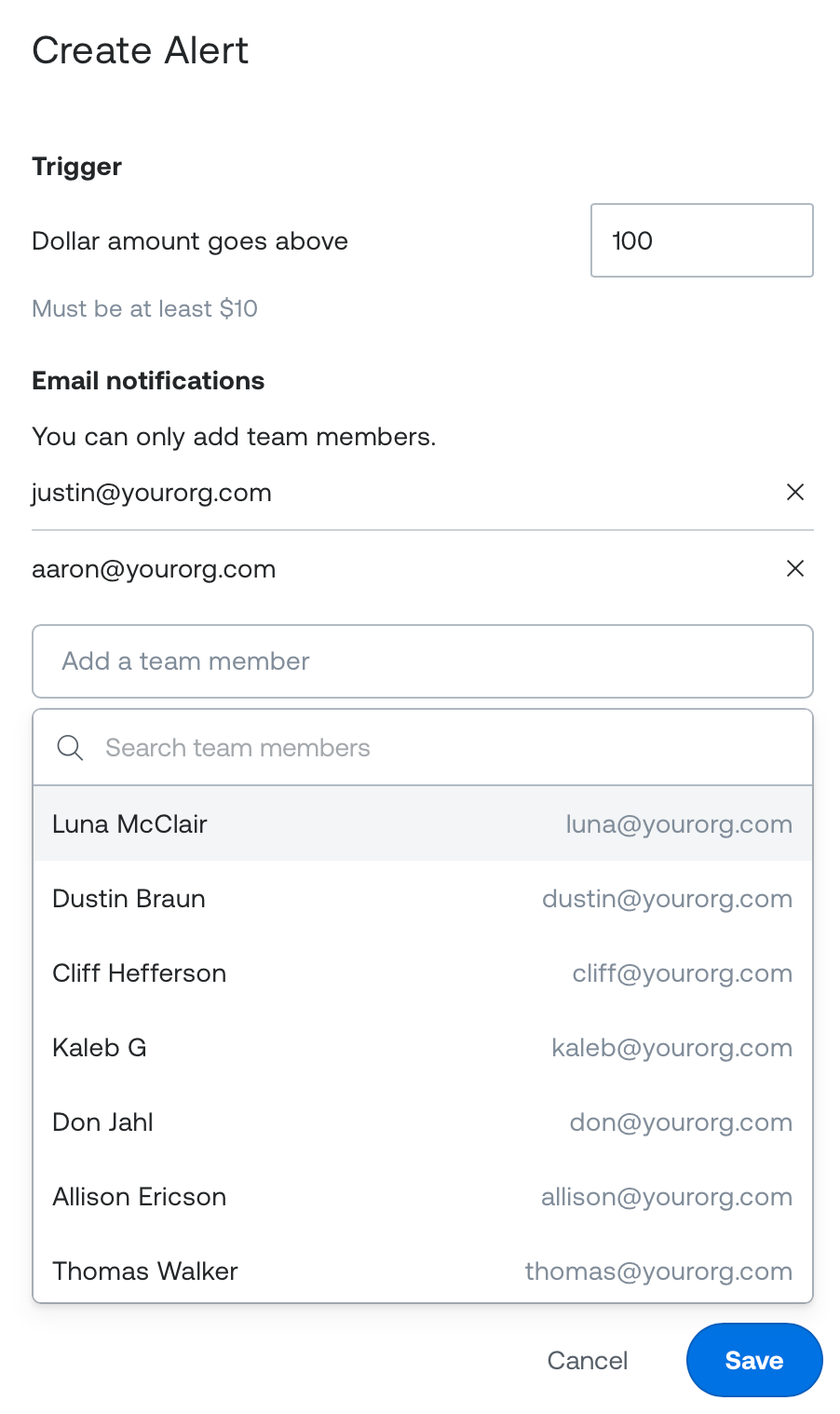
To implement the system, administrators navigate to the billing configuration portal within their Mux dashboard. From there, they can establish up to three distinct spending thresholds tailored to their projected monthly budgets. For instance, an organization anticipating a baseline monthly expenditure of two hundred dollars can structure a tiered alerting strategy at one hundred, two hundred, and four hundred dollars.

In this scenario, a notification triggered at the halfway mark of the month aligns perfectly with standard pacing expectations. A final threshold set at double the expected budget acts as a crucial safety net. If that upper limit is breached prematurely, it serves as an immediate diagnostic flag, prompting teams to investigate underlying causes such as unexpected bot traffic, viral content dissemination, or anomalous API loops.
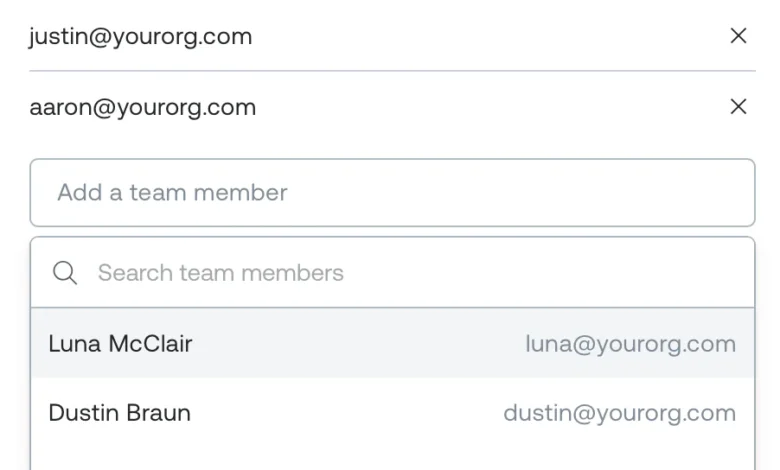
Notifications are not restricted to a single account owner; administrators can designate multiple team members to receive email alerts whenever a threshold is crossed. To maintain strict data security and organizational privacy, designated recipients must be active users within the respective Mux organization. Furthermore, the system is flexible, allowing engineering leads to modify threshold limits and recipient lists dynamically as project scopes evolve.
Navigating the Shift Toward Usage-Based Infrastructure
The introduction of Mux’s spending alerts arrives at a critical juncture for the broader cloud services and developer tooling sectors. Over the past decade, enterprises and independent developers alike have embraced the elasticity of consumption-based models. According to recent industry analyses of cloud economics, more than seventy percent of modern software-as-a-service providers utilize some form of usage-based pricing to align revenue with customer value.
However, industry surveys consistently highlight cost unpredictability as one of the primary friction points for engineering leadership. Without granular monitoring tools, teams are often forced into a reactive posture, discovering resource leaks only when accounts payable processes invoices weeks after the fact. By integrating real-time telemetry with direct communication channels, Mux’s latest feature reflects a broader industry movement toward financial operations—commonly known as FinOps—where engineering teams share accountability for cloud expenditures.
Software engineers and product managers frequently operate in silos separate from corporate finance departments. When a technical deployment directly impacts the bottom line, bridging that communication gap becomes essential. By allowing both lead developers and administrative stakeholders to receive synchronous notifications, Mux facilitates immediate cross-functional collaboration. An engineer notified of an unexpected spending spike can diagnose a misconfigured video upload pipeline in minutes, potentially saving the company hundreds or thousands of dollars in wasted compute cycles.
Beyond Notifications: Exploring Future Spending Caps
While real-time alerts provide essential early-warning capabilities, Mux leadership recognizes that visibility is only half the battle. Organizations operating under strict, non-negotiable monthly budgets often require automated enforcement mechanisms rather than passive notifications. Recognizing this market demand, Mux has concurrently launched a beta initiative to explore the development of custom spending caps.
Unlike alerts, which merely inform stakeholders when financial boundaries have been crossed, spending caps are intended to take decisive action once a predetermined limit is reached. The company is actively gathering use-case data and feedback from its user base to determine how such caps should function in practice. Key questions currently being evaluated by the product team include defining what constitutes a definitive spending limit and determining the precise automated response the platform should execute when that limit is met—such as temporarily throttling ingestion rates or pausing non-essential video processing pipelines.
This iterative approach to product development underscores Mux’s commitment to user-centric engineering. By opening a direct feedback channel through its beta program, the company aims to design a hard-limit mechanism that protects organizations from runaway costs without inadvertently disrupting mission-critical video workflows.
Implementation and Getting Started
For current Mux customers looking to secure their billing pipelines, setting up the new feature requires minimal administrative overhead. The configuration process is consolidated within the Mux dashboard under Organization Settings, followed by the Billing and Alerts sub-menus. The interface has been designed for intuitive deployment, requiring users simply to input their desired dollar threshold—subject to a modest minimum—and select their preferred internal recipients from a dropdown menu of existing organization members.
As the digital media ecosystem continues to expand and video integration becomes a standard requirement for web and mobile applications, tools that ensure financial transparency will remain indispensable. Mux’s deployment of spending alerts, coupled with its forward-looking exploration of automated spending caps, signals a maturing market where scalability and financial predictability can successfully coexist. Organizations interested in participating in the ongoing development of hard spending limits can access the beta enrollment portal directly through the Mux documentation and developer resources.
Related posts: