Microsoft Shatters Security Records with 570 Patches in July Update as AI Redefines Vulnerability Discovery and Threat Landscape

Microsoft Corp. released a monumental software update today to address at least 570 security vulnerabilities across its Windows operating systems and associated software suite, a figure that nearly triples the previous record for a single Patch Tuesday release. This unprecedented surge in vulnerability reporting and remediation marks a significant turning point in cybersecurity, which Microsoft officials have directly attributed to the integration of advanced artificial intelligence in the discovery process. As AI-driven tools become more adept at identifying complex flaws within massive codebases, the volume of security maintenance required by global IT departments is reaching heights previously thought unimaginable.
The July 2026 update includes fixes for a wide array of products, ranging from core Windows kernel components to cloud-integrated services and productivity tools. Of the 570 bugs addressed, nearly 60 have been classified with a "Critical" severity rating. This designation indicates that the vulnerabilities could allow for remote code execution, enabling malicious actors or automated malware to gain full control over a system with little to no interaction from the end user. Furthermore, the release tackles three zero-day vulnerabilities—flaws that were known to the public or actively exploited before a patch was available—underscoring the urgency for organizations to update their systems.
The AI-Powered Paradigm Shift in Vulnerability Management
The sheer scale of this month’s release is a direct reflection of how artificial intelligence is transforming the cybersecurity landscape. Pavan Davuluri, Microsoft’s Executive Vice President of Windows and Devices, emphasized in a public statement that the industry is entering a new era of "machine-speed" discovery. According to Davuluri, the pace of finding vulnerabilities is accelerating because AI can analyze code more comprehensively and faster than traditional manual auditing or legacy automated fuzzing techniques.
"The pace of vulnerability discovery is changing with advances in AI making it possible to find more issues, faster, across more code, with new mechanisms that can accelerate both discovery and analysis," Davuluri noted. He signaled to the industry that this high volume of patches is likely the "new normal," as Microsoft continues to deploy AI models to hunt for weaknesses in its own software before attackers can find them.
However, this technological leap presents a double-edged sword. While Microsoft is using AI to find and fix bugs, threat actors are leveraging similar technologies to reverse-engineer patches and develop functional exploits at an equivalent speed. This has led to a compression of the "window of exposure"—the time between a patch being released and the first signs of active exploitation in the wild.
Critical Zero-Day Flaws and the Rise of Privilege Escalation
Among the most pressing issues addressed in the July release are two zero-day vulnerabilities that allow for the elevation of privileges. These types of bugs are particularly dangerous in corporate environments because they allow a user with limited access to gain administrative or "SYSTEM" level control, which is a necessary step for deploying ransomware or exfiltrating sensitive data.
Specifically, Microsoft highlighted CVE-2026-56155, a vulnerability within Active Directory Federation Services (ADFS). ADFS is a critical component for many enterprises as it provides single sign-on (SSO) capabilities across different applications and networks. A flaw in this service could potentially allow an attacker to bypass authentication protocols or impersonate legitimate users across an entire corporate ecosystem.
Another significant zero-day, CVE-2026-56164, affects Microsoft SharePoint. This vulnerability had already been flagged by the Cybersecurity and Infrastructure Security Agency (CISA) and added to its "Known Exploited Vulnerabilities" catalog earlier in the month. The SharePoint flaw allows for unauthorized privilege escalation, which could lead to the unauthorized access or deletion of sensitive corporate documents stored on collaborative platforms.
The third zero-day, CVE-2026-50661, involves a security feature bypass in Windows BitLocker. While this flaw requires an attacker to have physical access to the device, it poses a severe risk to lost or stolen laptops. If exploited, the bug could allow an attacker to bypass the encryption meant to protect stored data. While Microsoft stated it has not yet seen active exploitation of the BitLocker bug, the public disclosure of the flaw’s details increases the likelihood of future attacks.
The Irony of AI: Vulnerabilities in Microsoft Copilot
In a development that highlights the risks of the very technology driving this patch surge, one of the most critical vulnerabilities fixed this month resides within Microsoft Copilot, the company’s flagship AI assistant. CVE-2026-48561 is a remote code execution (RCE) flaw with a CVSS (Common Vulnerability Scoring System) threat score of 9.6 out of 10.
Jack Bicer, Director of Vulnerability Research at Action1, pointed out that this vulnerability allows an unauthorized attacker to execute malicious code over a network. The attack vector is particularly subtle: an attacker could host a malicious website that, when visited by a user via Microsoft Edge for Android, automatically sends specially crafted prompts to the Copilot interface. These prompts can trick the AI into executing commands that compromise the user’s device or account. This "prompt injection" style of attack represents a new frontier in cyber threats, where the interface of the AI itself becomes the gateway for system exploitation.
Rethinking the Exploitability Index in the Age of LLMs
The record-breaking patch count has reignited a debate regarding how software vendors communicate risk to their customers. For years, Microsoft has used an "Exploitability Index" to provide a forecast of how likely a bug is to be exploited. However, security researchers argue that these human-centric assessments are becoming obsolete in the face of Large Language Models (LLMs).
Satnam Narang, a senior staff research engineer at Tenable, criticized the current system, noting that Microsoft initially rated the SharePoint zero-day as "Exploitation Less Likely," even as it was being actively used by hackers in the real world. Narang pointed to research from Anthropic’s Red Team, which demonstrated that their "Mythos Preview" AI model could generate working proof-of-concept (PoC) exploits for 13 out of 14 vulnerabilities that humans had labeled as "unlikely" to be exploited.
"Our way of looking at Patch Tuesday has changed, because the exploitability index is centered around humans, not AI tools," Narang said. "As these tools continue to improve, defense needs to improve alongside it." The implication for IT administrators is clear: they can no longer prioritize patches based solely on a vendor’s guess of exploitability; instead, the sheer volume and the speed of AI-driven exploitation necessitate a more aggressive and automated approach to patching.
A Broader Industry Trend: The "New Normal" for Software Updates
Microsoft is not the only software giant struggling to keep pace with the increasing discovery of vulnerabilities. The July 2026 cycle revealed a broader industry-wide trend toward more frequent and larger security releases.
Adobe, for instance, announced a major shift in its security bulletin schedule. Citing the role of AI in accelerating both the discovery of flaws and the creation of exploits, Adobe will now move to a bi-monthly release schedule, publishing updates on the second and fourth Tuesday of every month. This move is designed to reduce the time attackers have to exploit "n-day" vulnerabilities (known flaws for which a patch exists but has not yet been applied).
Similarly, Google’s recent patch batches for its ecosystem totaled more than 900 security fixes in a single month, while companies like Cisco, Mozilla, and Oracle have all increased the frequency of their security communications. This surge is placing an immense burden on IT security teams, who must now test and deploy hundreds of updates every few weeks without disrupting business operations.
Chronology of the July 2026 Patch Cycle
The road to this record-breaking Patch Tuesday began early in the month when several high-profile vulnerabilities were disclosed ahead of the official release:
- July 1, 2026: CISA adds the Microsoft SharePoint privilege escalation flaw to its list of known exploited vulnerabilities, signaling an immediate threat to federal agencies and private enterprises.
- July 3, 2026: Reports surface regarding a potential bypass in BitLocker encryption, leading to concerns about mobile device security.
- July 9, 2026: Microsoft releases the full "mega-patch" of 570 fixes. Executive VP Pavan Davuluri publishes a blog post explaining the role of AI in the record-high numbers.
- July 10, 2026: Security firms like Tenable and Action1 release analyses highlighting the critical Copilot RCE and the failure of traditional exploitability ratings.
- July 12, 2026 (Projected): Organizations begin the "second wave" of patching after initial testing for system stability is completed.
Implications for Organizations and End Users
The unprecedented volume of patches released today creates a significant logistical challenge. While the instinct for many security professionals is to patch immediately to mitigate the risk of zero-day exploits, the sheer number of changes to the operating system increases the risk of "breaking" critical business applications.
Chris Goettl, a security researcher at Ivanti, noted that when patch counts reach these levels, the probability of system stability issues or "regressions" rises exponentially. He advises that while critical servers and internet-facing systems should be updated immediately, workstations and internal systems might benefit from a brief testing period of 48 to 72 hours.
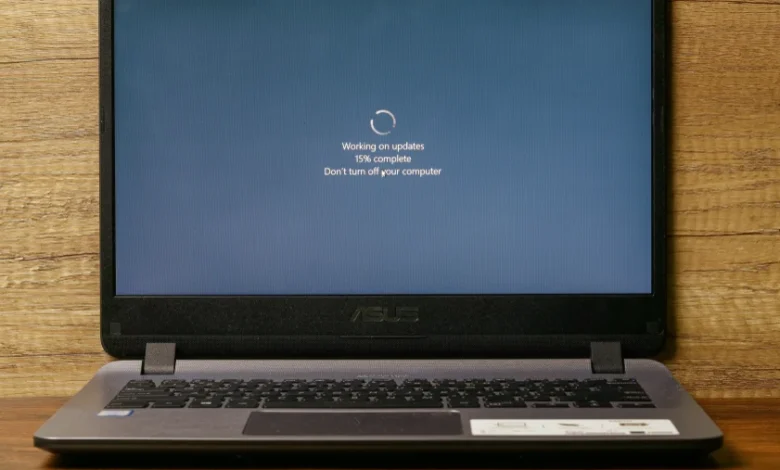
For individual end users, the advice remains consistent but more urgent: ensure that automatic updates are enabled, but always maintain a current backup of important data before initiating a large-scale update. Given that 570 holes are being plugged at once, the "reboot and update" cycle may take longer than usual, and the potential for minor software conflicts is higher than in previous years.
As we move further into 2026, the cybersecurity landscape is being fundamentally rewritten by artificial intelligence. The record-breaking 570 patches from Microsoft serve as a stark reminder that as software becomes more complex, the tools to find its flaws are becoming more powerful. For defenders, the challenge is no longer just finding the "needle in the haystack"—it is managing the sheer volume of needles that AI is now uncovering every single day.
Related posts: