The Cost of Freedom: How America’s Independence Day Celebrations Have Become a Multi-Billion Dollar Economic Engine

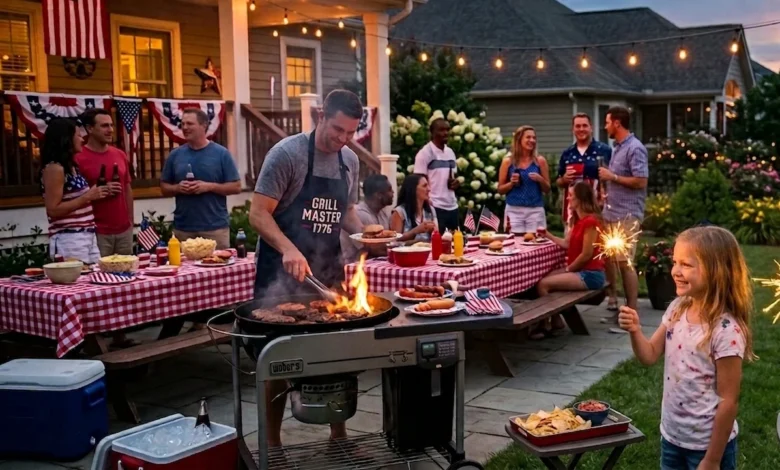
Every July, America gathers around the grill, gazes at the sky, and asks the same timeless question. Can liberty be itemized? The answer, increasingly, is yes. It comes with hot dogs, surge-priced airfare, a cooler that cost more than expected, and at least one uncle explaining that fireworks were better when they were dangerous. The Fourth of July has transformed into a rare national holiday where patriotism, protein, and payment rails all converge, often in flip-flops, embodying a distinct blend of tradition and robust consumer spending. This annual celebration of American independence has evolved into a significant economic event, reflecting changing consumer habits, persistent inflationary pressures, and an enduring national desire to commemorate freedom with festivity and communal gatherings.
The Economic Footprint of Patriotism: A Multi-Billion Dollar Celebration
Independence Day occupies a unique niche in the American household budget. Unlike gift-giving holidays, it is unequivocally a spending holiday, centered around experiences, travel, and communal feasting. This year, an overwhelming 87% of consumers plan to celebrate July 4, according to the National Retail Federation (NRF), underscoring the holiday’s universal appeal. Food spending alone is projected to reach a record $94.41 per person. For a typical four-person household, this translates to an estimated $378 in food expenses before accounting for ancillary purchases like bug spray, gasoline for local errands, sparklers, or the ubiquitous emergency bag of ice that frequently carries a premium price tag.
Broader holiday purchases, encompassing everything from party decorations to recreational items, are estimated by Numerator to average $117 per person, pushing the total holiday basket for a family of four to approximately $468. Across the United States, this collective enthusiasm for celebration is expected to generate nearly $22 billion in potential spending among adults, as reported by HomePage News on June 26. This substantial financial outlay highlights the holiday’s profound impact on various sectors of the economy, from retail and food services to hospitality and transportation.
A Culinary Celebration: Hot Dogs, Hops, and Historical Cookout Costs
The heart of many Fourth of July celebrations lies in the cookout, a quintessential American tradition. Data compiled by Fox/WalletHub on June 24 painted a comprehensive picture of this red-white-and-blue receipt. Americans are forecast to spend an astounding $9.4 billion on food items alone, reflecting the scale of these nationwide feasts. Beyond the groceries, alcoholic beverages play a significant role, with consumers expected to shell out more than $4 billion on beer and wine, a testament to the holiday’s social aspect. The sheer volume of consumption is staggering: an estimated 150 million hot dogs will be consumed, solidifying their status as the holiday’s unofficial mascot.
While the menu has largely resisted radical change – no lab-grown liberty foam replacing hot dogs just yet – the economics of the cookout have certainly evolved. The American Farm Bureau Federation (AFBF) provides an insightful annual benchmark with its "Fourth of July Cookout" survey. For 2026, a classic cookout for 10 people is estimated to cost $73.82, or $7.38 per person. This figure represents the highest nominal price recorded since the survey’s inception in 2016, a clear indication of persistent inflationary pressures on food prices. Key components like beef, chicken, pork chops, hamburger buns, strawberries, pork and beans, cookies, and ice cream have all seen price increases. Only potato salad and chips emerged as "patriotic deflation heroes," showing slight price reductions or stability.
Comparing this to previous years underscores the recent acceleration in food costs. In 2021, a similar Farm Bureau-style cookout for 10 cost approximately $59.50, or less than $6 per person, as reported by Progressive Grocer. This earlier price point now feels like a relic from a different economic era, illustrating the significant shift in grocery bills over a relatively short period. The rising cost of ingredients impacts household budgets directly, potentially influencing purchasing decisions or leading consumers to seek out deals and discounts more actively.
The Great American Migration: Travel and Logistics
Beyond the backyard barbecue, travel has become an increasingly dominant feature of Independence Day celebrations. This year, the nation is preparing for a monumental surge in travel, with AAA projecting that 72.2 million Americans will journey at least 50 miles from home for the holiday weekend. This figure not only surpasses last year’s record but also highlights a significant trend towards prioritizing travel experiences.
The vast majority of these travelers, an estimated 61.4 million, will hit the road, underscoring the enduring appeal of car trips despite fluctuating fuel prices. However, other modes of transport are also experiencing robust growth. Domestic air travel is expected to attract 5.85 million passengers, while 4.93 million people will opt for buses, trains, or cruises. The demand for air travel has driven prices upward, with domestic round-trip airfare to top destinations averaging about $830, according to AAA. For a family of four, this translates to roughly $3,320 in airfare alone, a substantial expense before even factoring in lodging, meals, ground transportation, or the inevitable, emotionally-driven airport cinnamon roll purchase.
The evolution of holiday travel is stark when viewed chronologically. In 2021, as the nation emerged from the grip of the pandemic, a significant post-pandemic rebound saw 47.7 million travelers. Over 91% of these journeys were by car, reflecting a cautious return to mobility. A decade ago, in 2016, AAA estimated 43 million travelers, a figure boosted by relatively cheap gas prices and what AAA wryly termed "the national delusion that leaving after lunch would beat traffic." This year’s projected 72.2 million travelers represents a remarkable increase of nearly 68% over the 2016 figures, illustrating a dramatic shift in holiday travel patterns and consumer willingness to invest in experiences. The growth in non-car, non-air travel, particularly cruises, is noteworthy, with AAA citing the bundled, predictable cost structure as a key driver for its increasing popularity.
The Spark and the Spectacle: Fireworks and Festivities
No Fourth of July celebration is complete without the dazzling spectacle of fireworks. This year, spending on fireworks is projected to top an impressive $2.95 billion, a testament to the nation’s collective desire for vibrant displays. While many communities host elaborate public fireworks shows, individual consumer spending on pyrotechnics for backyard displays remains a significant component of holiday expenditures. This spending supports a specialized industry and reflects a deeply ingrained tradition of visual celebration. Beyond fireworks, communities across the country organize parades, concerts, and various public events, contributing to local economies through tourism and increased patronage of local businesses. The collective impact of these diverse celebratory activities creates a festive atmosphere that is both culturally significant and economically stimulating.
A Decade of Dollars: Historical Spending Trends
Examining historical data provides crucial context for understanding the current economic landscape of Independence Day.
-
2026 (Current Year):
- Food Spending: Record $94.41 per person (approx. $378 for a family of four).
- Total Food Spending (National): Approximately $9.4 billion.
- Broader Holiday Purchases: $117 per person (approx. $468 for a family of four).
- Total Potential Spending (National): Nearly $22 billion.
- Travelers: 72.2 million (record high).
- Fireworks Spending: Over $2.95 billion.
- Cookout for 10: $73.82.
-
2025 (Last Year):
- Food Spending: $92.44 per person (approx. $370 for a family of four).
- Total Food Spending (National): $8.9 billion.
- Travelers: Just under 72.2 million (previous record).
-
2021 (Five Years Ago, Post-Pandemic Rebound):
- Food Spending: $80.54 per person (approx. $322 for a family of four).
- Total Food Spending (National): $7.52 billion.
- Travelers: 47.7 million (91% by car).
- Cookout for 10: $59.50.
-
2016 (Ten Years Ago):
- Household Food Spending: $71.34 on food for barbecues/picnics.
- Total Food Spending (National): $6.8 billion.
- Travelers: 43 million.
-
2006 (Twenty Years Ago):
- Clean comparable grocery data is harder to find, but ABC News reported that a Fourth of July trip or party could "easily" top $1,000 once flights, gas, hotel, cocktails, and "assorted aquatic nonsense" were included.
- Travelers: A then-record 40.7 million Americans.
This chronological overview clearly illustrates a consistent upward trajectory in both per-person spending and total national expenditures, particularly in the last decade. While some of this increase can be attributed to population growth and general economic expansion, a significant portion reflects the impact of inflation and a growing consumer willingness to spend on experiences and celebratory goods. The dramatic increase in travel figures, almost doubling in two decades, is particularly striking and points to a fundamental shift in how Americans choose to celebrate their freedom.
The Evolving Consumer Landscape: Choose-Your-Own-Checkout Adventure
The contemporary Fourth of July has truly become a "choose-your-own-checkout adventure." For those opting to stay home, the family bill primarily consists of several hundred dollars for groceries and party supplies. If driving is the chosen mode of celebration, gasoline, road trip snacks, and lodging expenses join the parade of costs. Flying elevates the expenditure significantly, making the "bald eagle on the credit card start sweating," as one observer put it, with airfare alone easily exceeding thousands for a family. Cruising, on the other hand, offers a bundled package, a "tidy at-least-we-know-what-it-costs" option, which AAA notes is contributing to the growth in non-car, non-air travel.
This diversification of celebratory options reflects a broader trend in consumer behavior, where personalization and experiential value often outweigh purely cost-driven decisions. Despite inflationary pressures and the rising cost of living, Americans continue to prioritize the Fourth of July, viewing it as a non-negotiable national operating ritual. The willingness to absorb higher costs for travel, food, and entertainment speaks to the holiday’s deep cultural resonance and its role as a collective moment of respite and celebration.
Organizational Perspectives on Consumer Trends
Leading industry organizations offer insights into these trends:
- National Retail Federation (NRF): The NRF consistently highlights the robust nature of consumer spending around holidays. Their data for the Fourth of July underscores consumer resilience and a strong desire to celebrate, even amidst economic uncertainties. NRF analysts would likely attribute the record food spending to a combination of inflation and sustained demand for traditional holiday gatherings, indicating that consumers are adapting their budgets to accommodate these important cultural events.
- AAA: As the primary tracker of holiday travel, AAA’s projections consistently point to increasing mobility. AAA spokespersons often emphasize the pent-up demand for travel, the desire for family reunification, and the prioritization of experiences over material goods. Their reports frequently include advisories on traffic, air travel tips, and fuel price trends, underscoring the logistical challenges and costs associated with widespread holiday travel. The surge in cruise travel, in particular, suggests a consumer preference for predictable budgeting and all-inclusive experiences.
- American Farm Bureau Federation (AFBF): The AFBF’s annual cookout cost survey serves as a critical barometer for food inflation. Their reports consistently link rising costs to factors such as supply chain disruptions, labor shortages, and global commodity price fluctuations. AFBF experts would likely comment on the challenges faced by farmers and consumers alike in managing these escalating food costs, while also highlighting the sustained demand for traditional American barbecue staples.
Broader Economic Implications and Outlook
The massive spending associated with Independence Day celebrations generates significant economic activity across multiple sectors. Retailers, grocery stores, restaurants, hotels, airlines, gas stations, and entertainment venues all experience a considerable boost. This surge in consumer spending acts as a vital, albeit temporary, stimulus to the economy, contributing to GDP growth and supporting employment.
However, the increasing costs also raise questions about affordability and the long-term sustainability of such expenditure patterns for average households. While consumers are currently demonstrating a willingness to pay, sustained inflation could eventually lead to scaled-back celebrations or shifts in purchasing habits. The "choose-your-own-checkout" model suggests consumers are already making strategic decisions to manage their holiday budgets, opting for experiences that align with their financial comfort levels.
Looking ahead, the trajectory of Fourth of July spending will likely remain influenced by broader economic conditions, including inflation rates, consumer confidence, and disposable income levels. As the nation approaches its 250th anniversary, the holiday’s economic significance is expected to continue growing, cementing its status not just as a day of patriotic observance, but as a powerful annual driver of consumer activity and a vivid reflection of American economic and cultural life.
In essence, America pays because July Fourth is less a holiday than a national operating ritual. We grill, gather, overspend slightly, and look up at the fireworks. At nearly 250 years old, the country remains gloriously consistent: confident, hungry, traffic-prone, and absolutely convinced that one more sparkler is not only affordable but constitutionally necessary.