Lululemon Appoints Former Product Chief Tara Poseley to Board of Directors as Part of Strategic Settlement with Founder Chip Wilson

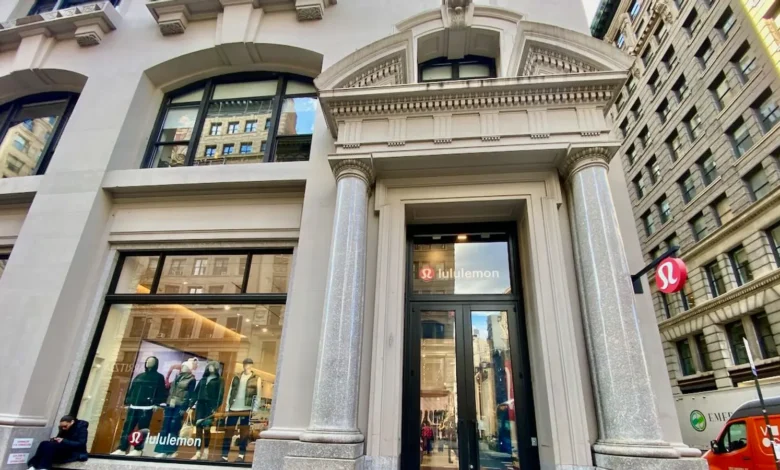
In a move that signals a renewed focus on design-led growth and internal continuity, Lululemon Athletica Inc. announced on Monday that retail veteran Tara Poseley has been appointed to its board of directors. Poseley, who previously served as the company’s chief product officer between 2013 and 2015, returns to the fold at a critical juncture for the Vancouver-based athletics giant. Her appointment fulfills a specific mandate stemming from a high-profile settlement agreement reached earlier this year between the company and its founder, Chip Wilson, which sought to end a protracted public dispute over the brand’s leadership direction and strategic vision.
The appointment is the latest in a series of major governance and operational overhauls at Lululemon as the company navigates a challenging retail landscape defined by intensifying competition in the "athleisure" sector and shifting consumer demand. Poseley’s return is viewed by industry analysts as a strategic alignment of the board with the company’s current operational pivot, which aims to place product innovation back at the epicenter of the brand’s identity.
A Chronology of Conflict and Cooperation
The road to this board appointment has been defined by a public struggle for influence. For several years, Chip Wilson—who stepped down from his executive roles years ago but remained a vocal shareholder—had been critical of the company’s strategic trajectory. The dispute reached a fever pitch earlier in 2026, culminating in a proxy battle that threatened to destabilize the company’s governance.
To resolve the impasse, Lululemon’s leadership and Wilson entered into a cooperation agreement earlier this year. The terms were comprehensive: the company agreed to add two board members of Wilson’s choosing—former ESPN Chief Marketing Officer Laura Gentile and former On co-CEO Marc Maurer—to provide fresh perspectives on marketing and global expansion. Furthermore, the agreement mandated that the board appoint a third director by October 1, 2026, who possessed specific, high-level expertise in apparel product development and brand strategy. Poseley’s appointment fulfills this final, critical requirement of the peace treaty.

The Professional Profile of Tara Poseley
Tara Poseley brings to the table a resume that spans three decades of retail and apparel experience. During her initial tenure at Lululemon (2013–2015), she was instrumental in refining the company’s product pipeline during a period of significant growth. Her background is uniquely suited to the board’s current needs; beyond her prior Lululemon experience, she has held high-level roles at major industry players including Gap Inc. and Kmart.
Most recently, Poseley served as the CEO of Paula’s Choice Skincare, a position that provided her with experience in consumer-facing digital growth and brand loyalty—facets of the business that are increasingly vital as Lululemon expands its footprint beyond technical athletic gear and into broader lifestyle categories. Her understanding of the "Lululemon DNA," as described by board members and the founder himself, is expected to bridge the gap between the company’s historical success and its future market ambitions.
Strategic Realignment: The Heidi O’Neill Era
The addition of Poseley to the board coincides with a broader, more aggressive restructuring led by CEO Heidi O’Neill. Since stepping into the chief executive role, O’Neill has moved quickly to simplify and focus the company’s leadership hierarchy.
One of the most significant changes has been the elevation of Athleta CEO Maggie Gauger to a position overseeing the core product engine of Lululemon. Starting Monday, Gauger assumes responsibility for merchandising, design, and product innovation. This decision represents a departure from recent corporate structures that some observers felt had become too fragmented. By centralizing these functions, O’Neill intends to ensure that the product team is not only responsive to current trends but is also driving the market forward through technical superiority.
The market response to these leadership shifts has been one of cautious optimism. While the brand remains a dominant force in the high-end activewear market, it has faced mounting pressure from nimble competitors like Alo Yoga, Vuori, and the resurgence of legacy athletic brands that have successfully captured a younger demographic. Analysts suggest that the combination of O’Neill’s operational restructuring and the addition of industry veterans like Poseley to the board provides the necessary oversight to ensure that these strategic changes are executed with precision.

Supporting Data and Market Context
Lululemon’s financial performance has been the subject of intense scrutiny as it enters the final quarter of 2026. The company’s revenue growth, while consistent, has faced headwinds from a cooling consumer spending environment and a normalization of demand for premium apparel.
In the second quarter of 2026, the company reported a modest uptick in direct-to-consumer sales, though overall margins were pressured by increased promotional activity across the industry. The appointment of a product-focused director is, in part, an attempt to bolster the company’s ability to drive full-price sales through "innovation-led" offerings rather than relying on discounts.
The "product-first" mandate is supported by a shift in investment toward R&D. Recent investor disclosures indicate that Lululemon is increasing its capital expenditure on fabric technology and sustainable material sourcing. This is a direct response to consumer surveys showing that the brand’s loyalists prioritize durability and technical performance over purely aesthetic changes.
Official Responses and Internal Sentiment
In a statement released alongside the announcement, Chip Wilson signaled his approval of the selection, noting, "Tara brings deep product expertise and understands what makes Lululemon special." This endorsement is significant, as it suggests that the board-founder dynamic has moved from a state of confrontation to one of collaboration.
CEO Heidi O’Neill was equally vocal about the importance of the hire. "Her insights and guidance will be invaluable as we put product, design, and innovation at the center of how we operate to deliver on the company’s next chapter of success," O’Neill stated.

The sentiment within the company’s corporate headquarters in Vancouver is reportedly one of focus. Employees and stakeholders have been looking for signs that the leadership is committed to the brand’s heritage of high-quality apparel while modernizing its digital and supply chain operations. The inclusion of an experienced hand like Poseley provides a sense of stability that the company arguably lacked during the height of its proxy skirmishes.
Broader Implications for the Retail Sector
The events at Lululemon serve as a case study for how legacy retail brands can navigate leadership transitions in an era of activist investing. The "settlement model"—whereby a company gives board seats to critics in exchange for a period of stability—is becoming increasingly common in the apparel space. However, the success of such a model is entirely dependent on the quality of the directors appointed.
By selecting a director with deep operational experience (Poseley) rather than just a financier or a marketing consultant, Lululemon is signaling that it prioritizes the "hard skills" of retail—sourcing, design, and product development—over purely financial engineering.
Looking forward, the board’s effectiveness will be judged by the performance of the holiday 2026 product lineup and the successful integration of the newly realigned C-suite. With the product pipeline now under the direct oversight of a team that reports to a CEO who is actively collaborating with a revitalized board, the company is attempting to replicate the conditions that fueled its meteoric rise in the early 2010s.
As the retail industry continues to grapple with the "new normal" of high interest rates and cautious consumer spending, Lululemon’s ability to maintain its premium pricing power will depend on whether its product innovation can continue to command loyalty. With the governance piece of the puzzle now firmly in place, the company turns its full attention to the execution of its product-led growth strategy, aiming to ensure that the next chapter of the Lululemon story is defined by design-driven success rather than boardroom volatility.