DirecTV to Acquire Dish TV and Sling TV in Landmark $1 Deal as Pay TV Industry Consolidates

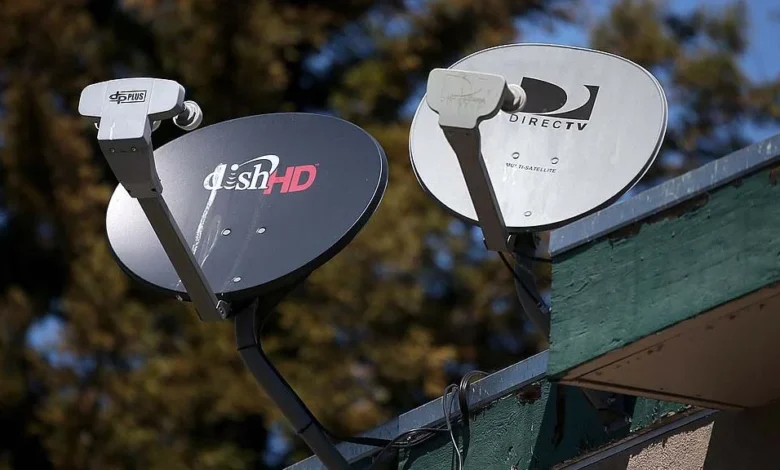
In a move that signals a desperate and strategic attempt to stabilize the rapidly eroding traditional pay TV landscape, DirecTV has announced a definitive agreement to acquire the video business assets of EchoStar, including the satellite giant Dish TV and the streaming-based service Sling TV. The transaction, which carries a nominal purchase price of just $1, is heavily weighted by the assumption of debt, marking the end of a long-standing rivalry between the two dominant satellite television providers in the United States.
The consolidation creates a behemoth with approximately 20 million subscribers, positioning the new entity as the undisputed leader in a sector that has been hemorrhaging customers to the rise of direct-to-consumer streaming services and the pervasive trend of "cord-cutting." Simultaneously, the transaction coincides with a major ownership shift at DirecTV, as AT&T—which had previously spun off the satellite firm while retaining a 70% equity stake—confirmed it has sold its remaining interest to the private equity firm TPG.
The Anatomy of the Deal
The financial structure of the acquisition is designed to address the immediate liquidity crisis facing EchoStar’s video division. By assuming Dish’s debt obligations, DirecTV is essentially betting that the combined scale of the two customer bases can generate the efficiencies required to turn a profit in an era where satellite infrastructure costs remain high while consumer demand wanes.
To facilitate the transition, TPG Angelo Gordon and associated co-investors, alongside DirecTV, have stepped in to provide $2.5 billion in financing. This capital injection is critical, as it allows for the full refinancing of Dish DBS’s debt maturity scheduled for November 2024, effectively staving off a potential default and providing the runway necessary to complete the merger.
A History of Failed Negotiations
The marriage of DirecTV and Dish is not a new concept; it is the culmination of over two decades of on-again, off-again discussions. Regulators have historically blocked such a merger, most notably in 2002 when the Department of Justice prevented EchoStar from acquiring DirecTV, citing concerns over competition and consumer choice.
However, the regulatory environment of 2024 is vastly different from that of 2002. Today, the "relevant market" is no longer defined solely by satellite distribution, but by a fragmented landscape of streaming platforms, including Netflix, Disney+, Amazon Prime Video, and YouTube TV. Given this shift, both companies have argued that a merger is not a move to monopolize, but rather a necessary evolution to ensure the survival of legacy broadcasting services that still cater to rural and older demographics who may lack high-speed broadband alternatives.
Strategic Rationale and Synergy Targets
DirecTV CEO Bill Morrow has framed the acquisition as an essential maneuver to achieve operational viability. In an official statement, Morrow emphasized that the combined scale will grant the company greater leverage when negotiating carriage agreements with content programmers—a constant point of contention that frequently leads to blackouts for consumers.
"DirecTV operates in a highly competitive video distribution industry," Morrow said. "With greater scale, we expect a combined DirecTV and Dish will be better able to work with programmers to realize our vision for the future of TV, which is to aggregate, curate and distribute content tailored to customers’ interests, and to be better positioned to realize operating efficiencies while creating value for customers through additional investment."
The company estimates that the integration of the two entities will unlock at least $1 billion in annual cost synergies. These savings are expected to materialize by the third anniversary of the closing date, which is currently projected for late 2025, subject to customary regulatory approvals. The roadmap for these synergies includes the consolidation of satellite operations, the streamlining of customer support infrastructure, and the potential phasing out of redundant billing and management systems.
Management and Operational Outlook
Upon the closing of the deal, the combined organization will remain headquartered in El Segundo, California. Continuity is a central theme of the transition, with Bill Morrow remaining as CEO and Ray Carpenter continuing in his role as Chief Financial Officer. The leadership team’s immediate priority will be the integration of Sling TV, which provides a critical foothold in the virtual MVPD (multichannel video programming distributor) market. Unlike traditional satellite, Sling TV offers a low-cost, internet-delivered model that aligns with the changing habits of modern viewers.
The Decline of the Pay TV Model
The context of this merger is the sustained decline of traditional television distribution. According to industry data from organizations like Leichtman Research Group and SNL Kagan, the top pay TV providers in the U.S. have lost millions of subscribers annually over the past decade. The shift from cable and satellite to fiber and 5G-delivered streaming has stripped these companies of their primary revenue stream: the high-margin "bundle" of channels.
Satellite providers face unique challenges, including the massive capital expenditure required to launch and maintain orbital assets. As the number of subscribers shrinks, the per-customer cost of maintaining this infrastructure rises, creating a "death spiral" that this merger aims to break. By pooling the satellite transponder capacity and customer support bases, the new DirecTV hopes to stabilize its balance sheet and extend the lifecycle of its satellite services.
Implications for Consumers and Programmers
For the average consumer, the immediate impact of the merger remains to be seen. Historically, industry consolidation often leads to reduced competition, which can result in fewer package options and increased pricing. However, the companies argue that without this merger, the alternative for many customers—particularly those in rural areas—could be the total loss of satellite service as providers are forced to shutter non-profitable operations.
For content programmers, the consolidation of two of the largest distributors in the country creates a new, powerful bargaining entity. Programmers who rely on carriage fees from Dish and DirecTV will now face a single, more dominant buyer. This could lead to a shift in how sports networks and major broadcast conglomerates approach licensing renewals, as the combined entity will have the power to influence the profitability of entire cable networks.
Regulatory Hurdles and the Road Ahead
While the industry landscape has changed, the transaction still faces a rigorous review by the Federal Communications Commission (FCC) and the Department of Justice (DOJ). Antitrust regulators will scrutinize whether the combined entity would hold excessive power in specific regional markets where satellite is the only viable option for high-definition video.
The transition process is expected to be lengthy. With the closing targeted for late 2025, the companies have a 12-to-18-month window to prepare for integration. During this time, they must navigate the complexities of combining two distinct satellite technologies, migrating legacy customer billing platforms, and satisfying the concerns of both regulators and shareholders.
Conclusion: A Final Stand for Satellite
The acquisition of EchoStar’s video business by DirecTV is a defining moment for the telecommunications and media sector. It represents the final chapter of the satellite television era as a growth industry and marks its transition into a mature, utility-like business focused on consolidation and cost-cutting.
Whether this "super-provider" can effectively compete in an ecosystem dominated by Silicon Valley tech giants and global media conglomerates remains an open question. However, by securing the $2.5 billion in debt financing and mapping out a path for $1 billion in annual synergies, DirecTV has signaled that it is not yet ready to abandon the millions of households that still rely on the sky for their entertainment. The success of this deal will ultimately depend on whether the company can transform these legacy assets into a nimble, hybrid service that can finally bridge the gap between traditional broadcast and the digital-first future.