Dave’s Killer Bread Revives Cult-Favorite Pumpkin Spice Bagels Nationwide in Strategic Seasonal Expansion

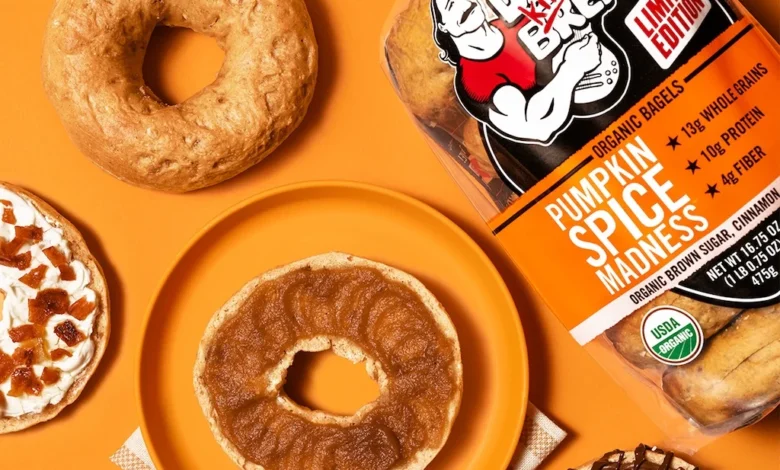
The autumn retail landscape is once again saturated with autumn-themed innovations, but this year features the return of a product long absent from grocery shelves. Dave’s Killer Bread (DKB), a brand widely recognized for its organic, nutrient-dense whole-grain loaves, has officially brought back its "Pumpkin Spice Madness" bagels. Discontinued in 2017 after a brief, regionally limited run, the seasonal offering is returning on a much grander scale. Consumers across the United States can now find the bagels in approximately 15,000 retail locations—including major chains such as Kroger, Albertsons/Safeway, H-E-B, Target, and Walmart—with availability slated through November.
The resurrection of the pumpkin spice bagel is not merely a nostalgic nod to past fan favorites. Instead, it represents a calculated maneuver by DKB and its parent company, Flowers Foods, to diversify their portfolio, inject excitement into a historically rigid grocery category, and meet shifting retailer demands for limited-time offerings (LTOs).
Background Context and the Evolution of the Bread Aisle
For decades, the commercial bread aisle has remained notoriously resistant to the rapid-fire seasonal trends seen in other supermarket categories. While categories like coffee creamers, yogurts, cookies, and even craft beer routinely cycle through hyper-seasonal flavor profiles—most notably pumpkin spice in the autumn and peppermint in the winter—bread has traditionally been anchored by reliable staples like white, wheat, sourdough, and multi-grain.
When Dave’s Killer Bread first introduced its seasonal pumpkin spice bagel years ago, the brand was navigating a period of significant corporate transition. Flowers Foods acquired DKB in 2015, integrating the organic powerhouse into its broader distribution network and encouraging the brand to expand beyond its core loaf formulations. However, executing a successful LTO in the bread category proved structurally complex.
Unlike snack foods or beverages, where shelf space is fluid and easily reallocated, the bread aisle is heavily dependent on permanent, year-round core varieties. Retail space for bread is tightly managed by direct-store-delivery (DSD) vendors, leaving little room for experimental products that only generate sales for a few weeks.
Cristina Watson, senior director of brand management for Dave’s Killer Bread, explained the operational hurdle that previously sidelined the product. "We couldn’t have a space on the shelf dedicated to us for just four months," Watson noted, emphasizing that retail buyers require consistent inventory turn rates to justify premium shelf space.
Building a Year-Round Rotational Strategy
To clear the path for the return of Pumpkin Spice Madness, DKB’s research and development team had to conceptualize a comprehensive, multi-season strategy. Rather than relying on a single isolated fall product, the brand needed a pipeline of seasonal offerings that could occupy valuable shelf space throughout the entire calendar year.
Before landing on pumpkin spice, DKB’s R&D team tested roughly a dozen potential seasonal bagel variations, including complex and unconventional concepts like hot chocolate and peppermint mocha. Ultimately, consumer testing revealed that pumpkin spice possessed unmatched mass-market appeal.
However, securing a permanent cyclical spot on retail shelves required more than just one fall flavor. DKB engineered a continuous rotational calendar. In April, the brand launched a Summer Berry bagel, which remained on shelves until the pumpkin spice rollout in September. Following the conclusion of the autumn run, DKB plans to introduce a savory seasonal flavor to maintain the momentum into the winter and spring months.
This programmatic approach satisfies modern grocery buyers who increasingly rely on rotational, limited-edition products to drive foot traffic. According to industry analysts, the rise of e-commerce and omnichannel grocery shopping over the past five years has intensified competition among brick-and-mortar retailers. To combat online shopping habits and entice consumers into physical stores, grocers are heavily prioritizing unique, experiential merchandising strategies. By offering carefully timed LTOs, retailers create a sense of urgency and discovery that encourages impulse purchasing.
Product Formulation and Nutritional Profiles
While the original 2017 iteration of the pumpkin spice bagel built a dedicated regional following, the 2024 revival features a thoroughly overhauled recipe. DKB’s culinary team reformulated the product to amplify the sensory experience associated with autumn baking.
The updated recipe incorporates brown sugar alongside traditional fall spices such as cinnamon and nutmeg, adjustments designed to create a more robust aromatic profile both in the package and during toasting.
Despite leaning into an indulgent seasonal flavor profile, the product maintains the brand’s core nutritional ethos. Each serving of the Pumpkin Spice Madness bagel delivers 10 grams of protein and four grams of fiber, while retaining the whole-grain composition that forms the foundation of DKB’s market identity.
This adherence to nutritional standards is critical for the brand’s broader bagel strategy. Internal consumer surveys conducted by DKB indicate that roughly one in three consumers actively seeks out bagels as a primary breakfast item. Furthermore, retail data demonstrates consistent year-over-year growth for the brand’s bagel line, largely driven by consumer preference for products that combine traditional comfort food flavors with functional health benefits like high fiber and protein counts.
Market Implications and the Future of Seasonal Bread
The re-entry of Dave’s Killer Bread into the pumpkin spice market reflects a broader macroeconomic and consumer trend: the blurring of lines between functional nutrition and indulgent flavor experiences. Modern consumers increasingly expect foods that are perceived as healthy—such as whole-grain, high-protein breakfast items—to also deliver the sensory satisfaction traditionally reserved for treats and pastries.
Furthermore, the success of DKB’s rotational strategy could signal a permanent shift in how commercial bakeries approach the grocery perimeter. By proving that a major bread brand can successfully execute multi-season LTO programs without disrupting core inventory, DKB has established a blueprint for innovation in a traditionally stagnant category.
As the retail food sector continues to adapt to shifting consumer preferences and heightened competition between brick-and-mortar and digital platforms, the ability to balance reliable everyday staples with exciting, limited-time novelties will remain a key driver of market share. For Dave’s Killer Bread, the return of Pumpkin Spice Madness is not just a seasonal promotion—it is a testament to the brand’s operational maturation and its ability to reinvent a grocery staple for the modern consumer.