Avian Influenza Resurgence Meets Market Oversupply as Egg Industry Navigates Economic Volatility

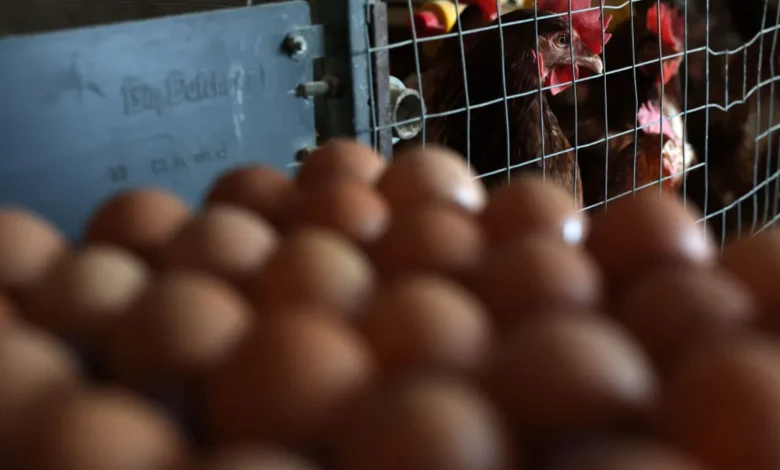
More than four years after highly pathogenic avian influenza (HPAI) first crippled the American poultry sector, the industry finds itself trapped in a complex paradox: while the virus remains an active, persistent threat to commercial flocks, the primary challenge facing producers today is an overwhelming market glut and a sharp decline in consumer prices. The current landscape serves as a stark reminder of the fragile equilibrium that defines the modern agricultural supply chain, where the intersection of biological risks and market dynamics can trigger extreme fluctuations in both profitability and retail costs.
The trajectory of the egg industry since early 2025 has been characterized by dramatic instability. Following a period where supply chain constraints and viral outbreaks pushed the retail price of a dozen eggs to a historic peak of $6.23 in March 2025, the market has undergone a significant correction. By October 2026, the average retail cost had retreated to $2.32, a shift that has decimated the profit margins of major producers even as they continue to invest heavily in biosecurity and flock replenishment.
A Chronology of Volatility: From Record Highs to Market Glut
To understand the current economic environment, one must look at the timeline of the HPAI crisis. The initial, devastating waves of the virus that began in late 2021 and intensified through 2023 forced the culling of millions of hens. This massive reduction in supply, coupled with surging demand, created the perfect conditions for the record-setting price spikes observed in the first quarter of 2025.
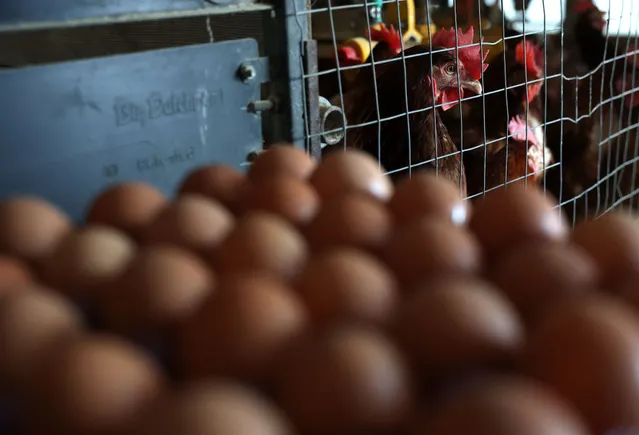
During that period, vertically integrated producers like Cal-Maine Foods saw their financial performance reach unprecedented levels. In April 2025, the company reported that its quarterly profits had more than tripled compared to the previous year. However, the industry’s response to these high prices was swift and aggressive. Producers fast-tracked flock recovery, expanded capacity, and implemented more rigorous, expensive biosecurity measures to prevent future viral incursions.
By the summer of 2026, the efforts to rebuild flocks began to outpace consumer demand. The industry reached a state of oversupply, leading to a precipitous drop in prices. The financial reversal was absolute; for the quarter ended August 29, 2026, Cal-Maine reported a 100% collapse in consolidated gross profits. This transition from windfall earnings to a period of deep financial pressure underscores the high-stakes nature of poultry production, where capital investment is long-term, but market prices are dictated by immediate supply-demand variables.
The Persistent Biological Threat
Despite the current focus on market oversupply, the specter of HPAI remains a constant, looming variable for the industry. Since August 2026, the United States Department of Agriculture (USDA) has confirmed detections of the virus in 33 separate commercial flocks. This ongoing transmission indicates that the virus has become endemic within wild bird populations, making total eradication nearly impossible.
The virus’s evolution has also introduced new vectors for concern. In 2024, the scientific community and the agricultural sector were forced to contend with the virus jumping to dairy cattle. In recent weeks, the Pacific Northwest has emerged as a focal point for this concern, with a cluster of cases in dairy herds prompting renewed scrutiny from federal health agencies.

For poultry producers, the migration of wild birds—which typically triggers a seasonal increase in HPAI risk—has fundamentally changed the calculus of operations. Sherman Miller, president and CEO of Cal-Maine, has noted that the standard operating procedures for flock rotation have been permanently disrupted. The industry can no longer rely on predictable, linear cycles of production. Instead, planning must now account for sudden, mandatory culling events that can occur with little notice, forcing companies to maintain "buffer" capacity that is often underutilized during quiet periods but essential for survival during outbreaks.
The Shift Toward Diversification and Prepared Foods
Faced with the inherent instability of the commodity egg market, industry leaders are increasingly looking toward diversification as a hedge against volatility. The strategy involves moving further down the value chain—transitioning from the sale of raw, shell-egg commodities to the production of value-added, processed foods.
This shift is evident in the recent acquisition activity of major players. Cal-Maine’s purchase of the frozen waffle brand Van’s and its acquisition of a majority stake in the crepe manufacturer Crepini represent a strategic pivot. By integrating these prepared-food assets, the company aims to insulate its bottom line from the wild price swings associated with the raw egg market.
The company has forecasted a significant expansion in its prepared foods production capacity, projecting a 60% increase by the first half of 2028 compared to the end of fiscal 2026. This move reflects a broader industry recognition that, in an era of biological instability, the most resilient companies will be those that can transform raw agricultural inputs into consumer-packaged goods with more stable pricing power.

Economic Implications for the Supply Chain
The current market environment offers several lessons for the broader food and agriculture sector. First, the lag time between supply-side interventions—such as flock expansion—and market response is substantial. The oversupply currently being absorbed by the market is, in many ways, the delayed result of the industry’s success in overcoming the initial HPAI-induced shortage.
Second, the cost of "biosecurity inflation" is likely here to stay. Producers are investing more capital than ever before into automated monitoring, air filtration, and restricted access protocols. These costs are now baked into the operational structure of the industry, creating a higher floor for the cost of production. Even as retail prices fall, the underlying cost of bringing an egg to market remains significantly elevated compared to pre-2021 levels.
Third, the relationship between retail price and consumer behavior remains elastic. While the drop in egg prices to $2.32 per dozen is a welcome relief for inflation-weary consumers, it has not yet resulted in a commensurate surge in demand sufficient to clear the current market glut. This suggests that while consumers are sensitive to price spikes, their consumption habits do not necessarily scale up instantly when prices fall, leading to a temporary period of market stagnation.
Future Outlook and Strategic Planning
As the industry enters the winter months—a period often associated with higher HPAI activity—the focus remains on balancing supply chain efficiency with risk management. Federal authorities, including the USDA and the Centers for Disease Control and Prevention, continue to monitor the virus’s movement through livestock and wild populations, providing the data necessary for producers to adjust their biosecurity posture.
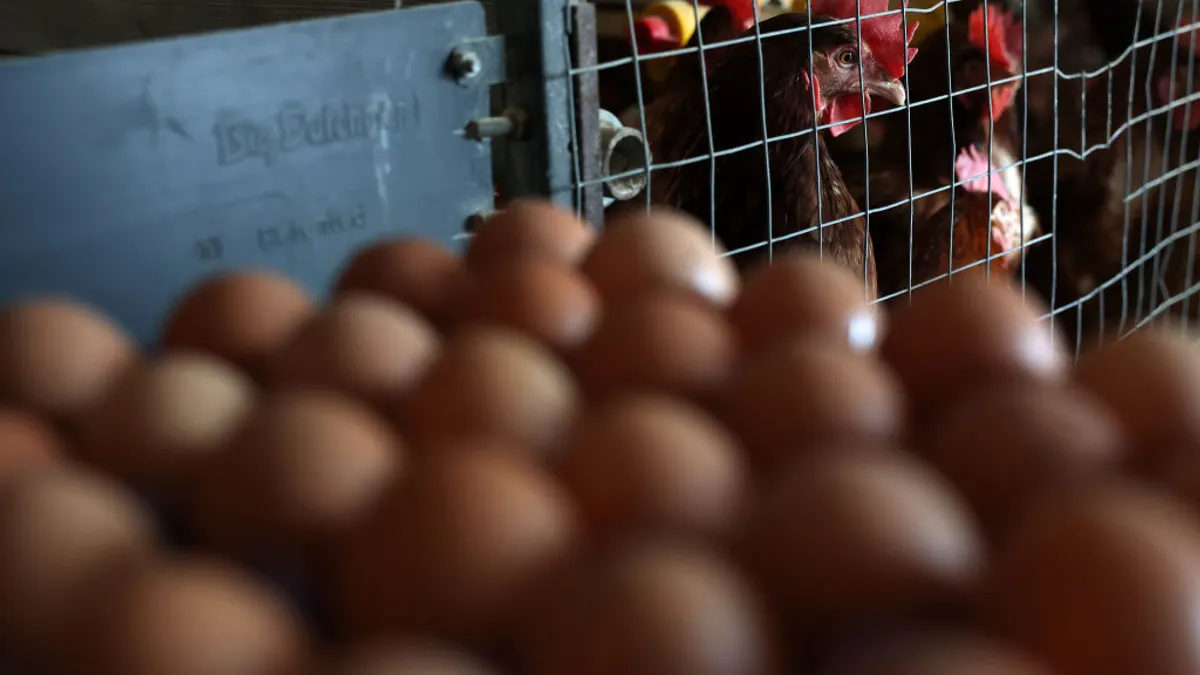
However, the consensus among industry analysts is that the era of "easy" commodity egg production is over. Future profitability will likely be driven by three factors: the ability to maintain biological integrity in the face of persistent viral threats, the agility to manage flock rotations amidst unpredictable outbreaks, and the successful execution of diversification strategies that move companies beyond the volatile commodity market.
Ultimately, the poultry industry is in the midst of a profound structural transformation. The volatility of the past four years has acted as a catalyst, forcing a move away from the traditional model of high-volume, commodity-focused production toward a more resilient, diversified, and technologically integrated system. Whether this transition will successfully stabilize the market in the long term remains to be seen, but the current period of oversupply and price correction represents a critical juncture in that evolution. As producers adjust to this new normal, the primary goal remains the same: ensuring a reliable, safe, and sustainable supply of food in an increasingly unpredictable biological and economic landscape.