Apple Leadership Transition Tim Cook to Step Down as John Ternus Prepares to Navigate a New Regulatory and AI Era

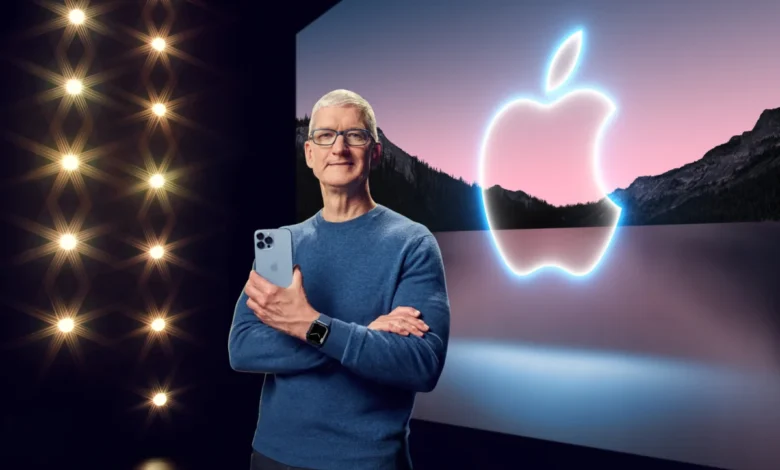
The global technology landscape is bracing for a seismic shift as Apple Inc. prepares for its most significant leadership transition in over a decade, with current Chief Executive Officer Tim Cook slated to step down from his role this coming September. This transition marks the end of an era defined by unprecedented financial growth and the beginning of a new chapter under the stewardship of John Ternus, Apple’s long-standing Senior Vice President of Hardware Engineering. While Ternus inherits a company with a market capitalization that has frequently hovered near the $3 trillion mark, he also steps into a volatile environment characterized by intensifying regulatory scrutiny, a pivot toward generative artificial intelligence, and a fundamental shift in how developers and consumers interact with the iOS ecosystem.
The Changing of the Guard at Cupertino
Tim Cook’s tenure as CEO, which began in August 2011 following the resignation of Steve Jobs, has been defined by operational excellence and the massive expansion of Apple’s Services division. Under Cook, Apple transformed from a hardware-centric company into a diversified giant, leveraging its massive install base to generate billions in recurring revenue from the App Store, iCloud, Apple Music, and Apple Pay. However, as the company prepares for its September leadership change, the focus is shifting toward whether a hardware-focused leader like John Ternus can navigate the software and regulatory challenges that now dominate the corporate agenda.
John Ternus has been a fixture at Apple since 2001, joining the product design team and steadily climbing the ranks to become the head of hardware engineering. He has been a public face for the company during key product launches, most notably overseeing the transition of the Mac lineup from Intel processors to Apple Silicon—a move that revitalized the Mac business and solidified Apple’s lead in power-efficient computing. His appointment as successor is seen by industry analysts as a "stability play," signaling that Apple intends to remain focused on its core strength: the seamless integration of high-end hardware with proprietary software.
A Legacy of Growth and the Challenges of Succession
The transition comes at a time when Apple’s business model is under more pressure than it has been at any point in the last twenty years. During the Cook era, the "walled garden" approach was the cornerstone of Apple’s profitability. By controlling every aspect of the user experience, Apple was able to command a 30% commission on digital goods sold through the App Store—a revenue stream that has become a primary target for regulators worldwide.
In recent discussions on TechCrunch’s Equity podcast, industry experts Kirsten Korosec, Anthony Ha, and Sean O’Kane noted that Ternus is not just inheriting a company, but a complex geopolitical and legal battlefield. The European Union’s Digital Markets Act (DMA) has already forced Apple to allow third-party app stores and alternative payment methods in Europe, a precedent that many believe will eventually spread to the United States and other major markets. The U.S. Department of Justice’s ongoing antitrust lawsuit against Apple further complicates the landscape, alleging that the company has maintained an illegal monopoly over the smartphone market by stifling competition.
The Regulatory Landscape and the Future of the App Store
The 30% "Apple Tax" is perhaps the most contentious issue Ternus will face. For years, Apple argued that this fee was necessary to maintain the security and integrity of the platform. However, developers, led by companies like Epic Games and Spotify, have successfully challenged this narrative in the court of public opinion and, increasingly, in courtrooms.
Supporting data suggests that the Services segment, which includes App Store revenue, accounted for approximately $23.9 billion in Apple’s Q3 2024 earnings, representing a year-over-year growth of 14%. If regulatory bodies continue to chip away at the App Store’s commission structure, Ternus will be forced to find new avenues for growth to satisfy shareholders who have grown accustomed to double-digit margins in the Services category.
Furthermore, the "behind-the-scenes" power Apple once held over developers is evaporating. In the past, being featured on the App Store was the only path to success for a mobile startup. Today, the rise of web-based applications and cross-platform tools has given developers more leverage. The "vibe-coded" app movement—where apps prioritize aesthetic, community, and "vibes" over traditional utility—is also shifting the design paradigms that Apple has spent decades enforcing through its Human Interface Guidelines.
Artificial Intelligence: The New Frontier
Beyond regulation, the most immediate technological challenge for the incoming CEO is the integration of generative artificial intelligence (AI). While competitors like Google, Microsoft, and Meta moved quickly to integrate Large Language Models (LLMs) into their products, Apple has been more deliberate. The announcement of "Apple Intelligence" at the 2024 Worldwide Developers Conference (WWDC) signaled the company’s intent to catch up, but the execution of this strategy will fall largely on Ternus.
Ternus’s background in hardware will be critical here. Generative AI requires immense computational power, and Apple’s strategy relies on "on-device" processing to maintain its commitment to user privacy. This means that future iPhones, iPads, and Macs must be equipped with increasingly powerful Neural Engines. Ternus will need to ensure that Apple’s hardware roadmap stays ahead of the software demands of AI, all while managing the global supply chain complexities that Tim Cook famously mastered.
Broader Market Movements: The SpaceX and Cursor Connection
The transition at Apple is happening against a backdrop of massive shifts in the broader venture capital and startup ecosystem. During the same period that Apple announced its leadership changes, the tech world was rocked by news of SpaceX’s $60 billion valuation and its strategic movements involving Cursor, an AI-powered code editor.
Cursor has become a symbol of the new era of software development—one where AI doesn’t just assist the developer but actively participates in the creative process. The $60 billion figure associated with SpaceX’s interest in this space underscores the astronomical valuations being placed on AI-native tools. For Apple, the rise of AI-driven development means that the next generation of apps may be built in ways that bypass traditional Apple-centric development environments like Xcode. Ternus will need to ensure that Apple remains the preferred platform for these AI-first developers.
Chronology of the Transition
To understand the weight of this transition, one must look at the timeline of Apple’s leadership evolution:
- August 2011: Steve Jobs resigns; Tim Cook is named CEO.
- 2014-2015: Apple launches the Apple Watch and enters the wearables market, a key Cook-era success.
- 2020: Apple announces the transition from Intel to Apple Silicon, led by John Ternus’s engineering team.
- 2023: Regulatory pressure reaches a boiling point with the official implementation of the EU’s DMA.
- June 2024: Apple Intelligence is unveiled, marking the company’s formal entry into the AI race.
- September 2024 (Scheduled): Tim Cook to step down; John Ternus to assume the role of CEO.
Implications for the Tech Industry and Startups
For startups, the shift from Cook to Ternus represents both a risk and an opportunity. Tim Cook was known for his focus on the "bottom line" and supply chain efficiency. Ternus, as a product man, may bring a renewed focus on "the next big thing" in hardware. Startups working in the fields of augmented reality (AR), robotics, and AI-integrated hardware may find a more receptive ear in a Ternus-led Apple.
However, the "vibe-coded" app trend mentioned by TechCrunch hosts suggests that the next generation of users is less interested in the technical specifications of their hardware and more interested in the cultural and social currency of the software they use. If Apple loses its "cool factor" to more nimble, AI-native platforms, no amount of hardware engineering will be able to save its market dominance.
Official Responses and Market Sentiment
While Apple has not issued an official statement regarding the specific day-to-day changes that will occur after September, the sentiment within Cupertino is reportedly one of "calculated optimism." Sources close to the executive team suggest that Cook will likely remain on the Board of Directors, providing a safety net for Ternus during his first year.
Wall Street’s reaction has been largely neutral to positive. Analysts at major firms like Goldman Sachs and Morgan Stanley have noted that Ternus has been "shadowing" Cook for several years, participating in high-level meetings and investor calls. This suggests a seamless handover rather than a radical departure from current corporate strategy.
Conclusion: The Road Ahead for John Ternus
As September approaches, the tech world will be watching closely to see how John Ternus handles his first 100 days. He faces a trifecta of challenges: maintaining the financial growth established by Cook, defending the App Store from global regulators, and ensuring Apple does not fall behind in the AI arms race.
The transition from a "Supply Chain CEO" to a "Hardware Engineering CEO" suggests that Apple believes its future lies in the physical products that will house the AI of tomorrow. Whether Ternus can maintain the delicate balance between Apple’s historic "walled garden" and the increasingly open and AI-driven world remains to be seen. One thing is certain: the era of Tim Cook has ended, and the John Ternus era will be defined by how well Apple can adapt to an ecosystem that is no longer entirely under its control.