NVIDIA Isaac ROS 5.0 Transforms Robotics Development with Generative Physical AI and Agentic Workflows

At the 2026 ROSCon conference in Toronto, Canada, NVIDIA unveiled Isaac ROS 5.0, a significant update to its GPU-accelerated software suite that marks a turning point in how developers build, customize, and deploy sophisticated robotic applications. By bridging the gap between open-source robotics frameworks and cutting-edge generative physical AI, the new release aims to accelerate the adoption of autonomous machines across industrial, logistical, and humanoid sectors.
The announcement represents a strategic evolution for the Robot Operating System (ROS) community, which currently serves as the backbone for approximately 1.3 million global developers. With Isaac ROS 5.0, NVIDIA is providing these developers with a robust, production-ready library that integrates seamlessly with existing open-source workflows, allowing for high-performance computing on the edge.
A New Era of Agentic Robotics Development
The integration of AI agents into the software development lifecycle is one of the most transformative trends in modern computing. Isaac ROS 5.0 extends this capability into the physical realm. By automating repetitive coding tasks, navigating complex and often cumbersome codebases, and translating developer intent into functional robotics modules, the platform significantly compresses the time-to-market for complex automation projects.
Central to this release is the introduction of "agent-ready" documentation and specialized skills. These are not merely passive code snippets but reusable, intelligent workflows. For instance, the new FoundationStereo fine-tuning skill allows an AI agent to adapt perception models to specific camera configurations and environmental conditions dynamically. This removes the traditional, labor-intensive process of manual calibration, ensuring that robots achieve higher accuracy in perception regardless of the hardware deployment.
Furthermore, the update to FoundationPose—a cornerstone of NVIDIA’s object tracking technology—now includes an agent-ready inference library. This advancement allows robots to track the position and orientation of objects up to 5.5 times faster than previous iterations. By offloading these compute-heavy perception tasks to the GPU, developers can focus on higher-level logic while the system handles the complexities of spatial awareness.
Technical Foundations and Platform Evolution
The release of Isaac ROS 5.0 arrives alongside support for ROS Lyrical and Ubuntu 24.04, signaling NVIDIA’s commitment to keeping the robotics ecosystem current with the latest software standards. A major highlight of this cycle is the collaboration between NVIDIA and the Open Source Robotics Alliance (OSRA) to introduce a standard data-handling interface.
This interface is critical for the future of interoperability. By providing a vendor-neutral, accelerated memory transport mechanism, NVIDIA and the OSRA have created a path for robotics software to function efficiently across diverse computing architectures. This is particularly vital for developers using CUDA, as it provides a standardized blueprint for GPU acceleration that can be implemented across the entire ROS community. By ensuring that data flows seamlessly between sensors and compute engines without bottlenecks, the industry is moving closer to a "plug-and-play" paradigm for high-performance robotics.
Building a Scalable Ecosystem: From Edge to Industry
The versatility of Isaac ROS 5.0 is reflected in its broad support for NVIDIA Jetson hardware, scaling from the entry-level Jetson Orin Nano to the high-performance Jetson Thor. This scalability is essential for companies aiming to build modular robots.
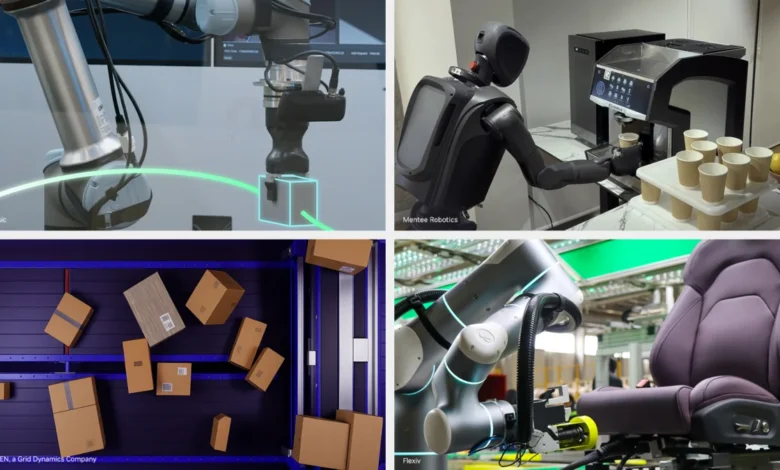
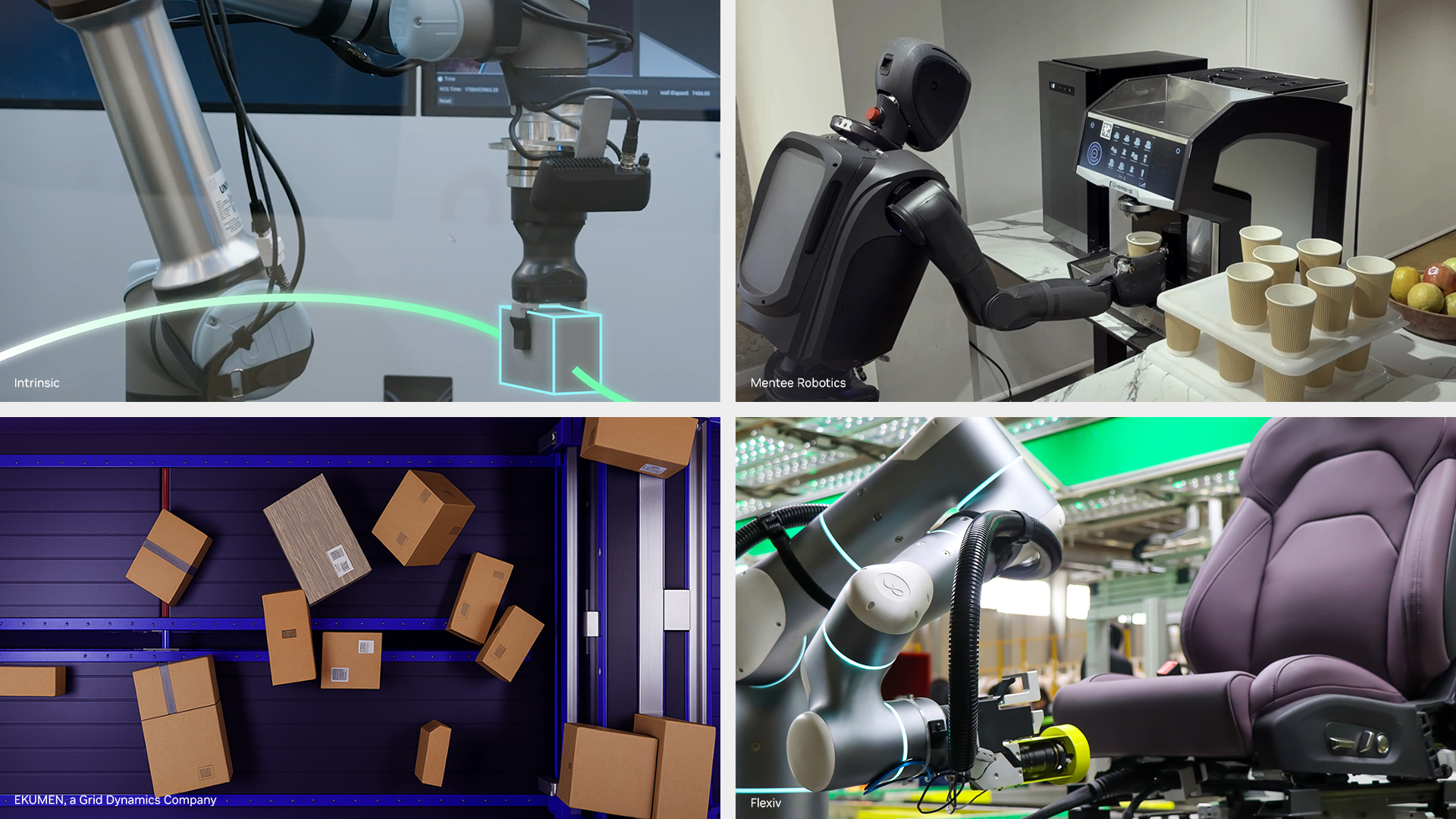
Mentee Robotics, a leader in the humanoid robotics space, has adopted this approach by utilizing Isaac ROS as the perception and AI backbone for its MenteeBot. By maintaining a shared software foundation across the Jetson product line, Mentee can iterate on their designs, scaling up or down in compute power without the need to rewrite their core perception stacks.
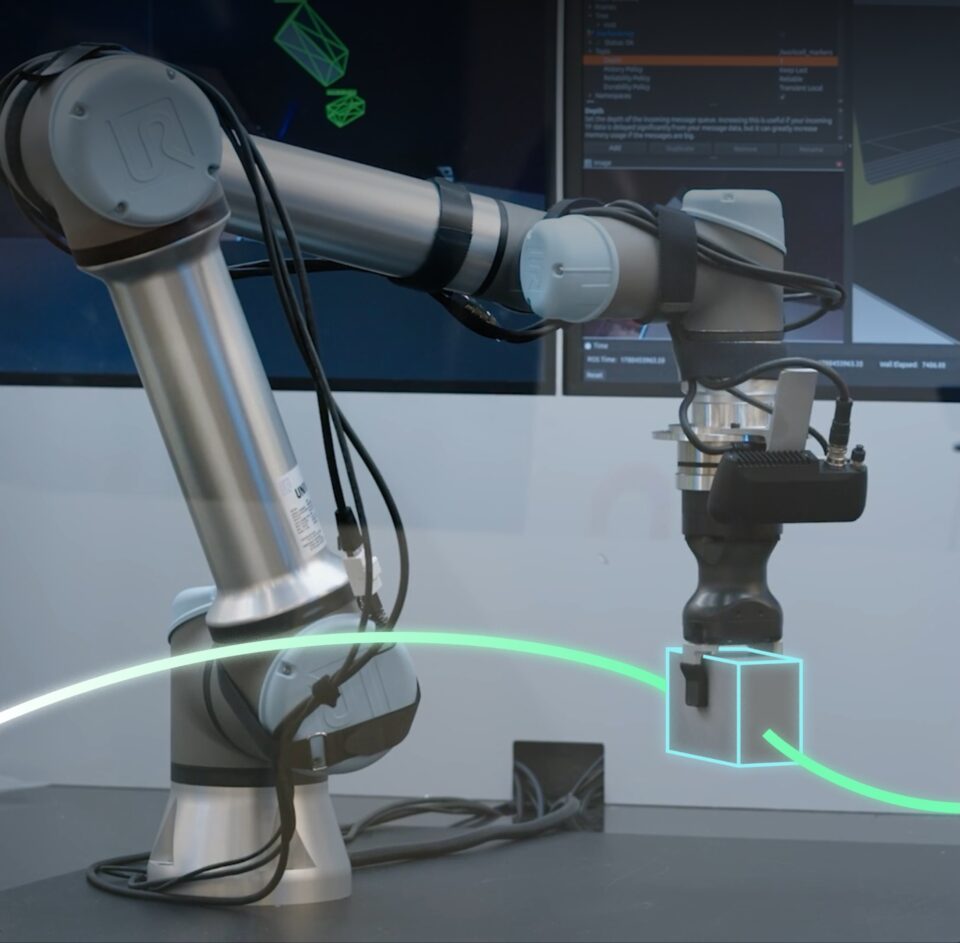
In the industrial sector, Universal Robots has integrated Isaac ROS into its AI Accelerator software development kit. This move empowers systems integrators to deploy robots that can handle parts that are not precisely positioned—a major hurdle in traditional manufacturing. By leveraging AI to interpret visual data in real-time, these robots can reduce the reliance on expensive, custom-built mechanical fixtures, thereby increasing the agility of the manufacturing floor.
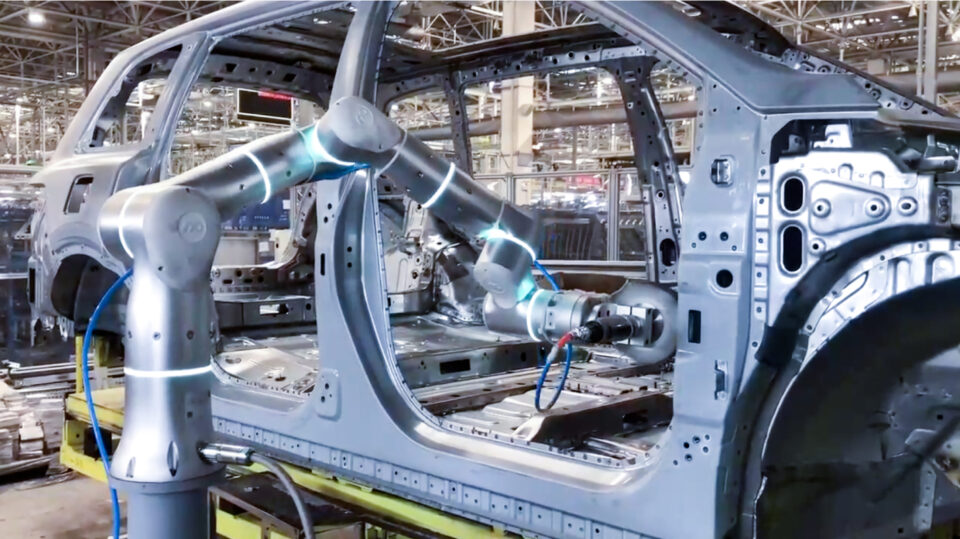
Similarly, Magna, a global leader in automotive manufacturing, is utilizing the suite to bridge the gap between simulation and the factory floor. By pairing Isaac ROS with Isaac Sim for hardware-in-the-loop (HIL) testing, Magna is creating a digital feedback loop that allows for safer, faster deployment of intelligent automation. This methodology mitigates risk by allowing developers to test edge-case scenarios in a virtual environment before a single line of code is committed to a physical machine.
Broadening the Horizon: Partnerships and Open Source Synergy
The success of the Isaac ROS platform is bolstered by a growing ecosystem of partners that are actively contributing to its ubiquity.
- AgenticROS and RealSense: The AgenticROS initiative, sponsored by RealSense, is a prime example of community-driven innovation. By connecting Isaac ROS with NVIDIA’s Nemotron open models, the project enables robots to engage in more sophisticated, agent-driven interactions with their environment. RealSense is simultaneously optimizing its D585 Pro depth cameras to ensure native compatibility, providing a seamless hardware-software stack for developers.
- Intrinsic Core: The inclusion of Intrinsic’s Open Machine Tending Solution within the broader ecosystem provides a reference application for CNC machine tending. By building on FoundationPose, Intrinsic is simplifying the integration of advanced robotics in machine shops, enabling robots to dynamically detect and register objects with minimal specialized training.
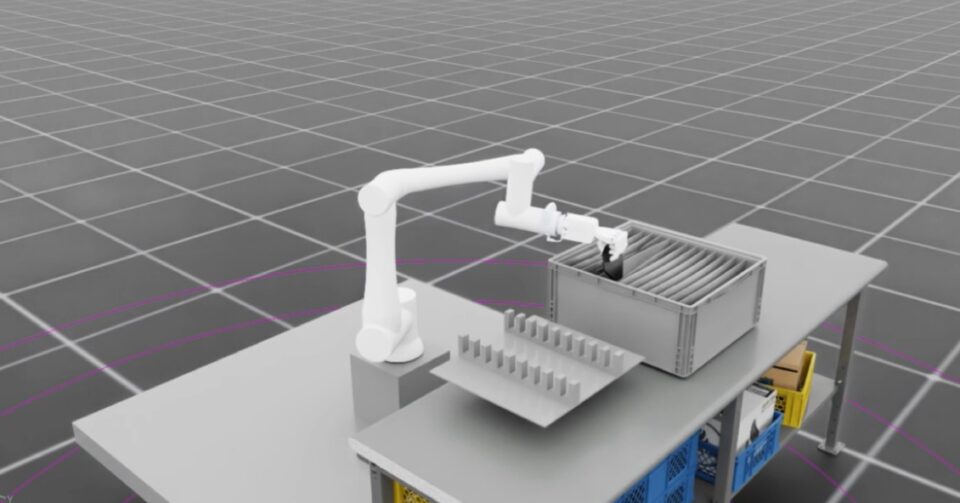
- Ekumen and Ouster: Through specialized integration, companies like Ekumen and Ouster are pushing the boundaries of what is possible in real-time motion planning and perception. Ekumen’s use of GPU-accelerated packages to map collision-free paths in mere milliseconds demonstrates the critical nature of low-latency compute in warehouse automation.
Implications for the Future of Robotics
The shift toward "Physical AI" represents a fundamental change in how robots are programmed. Traditionally, robotics involved explicit, rule-based programming for every conceivable movement or scenario. Today, the combination of generative models and accelerated computing allows robots to perceive, reason, and act in dynamic environments—a capability formerly restricted to controlled labs.
The implications for this are profound. As the barrier to entry lowers through open-source access to high-performance libraries, small-to-medium-sized enterprises will gain the ability to deploy robotic systems that were once only available to large-scale corporations. This democratization of technology is expected to drive innovation in fields as diverse as agriculture, healthcare, and urban logistics.
However, the rapid pace of development also presents challenges. Data security, the reliability of AI models in life-critical tasks, and the need for standardized safety protocols remain key areas for ongoing discussion within the ROS community. NVIDIA’s focus on providing a "production-ready" stack suggests that the company is aiming to address these concerns by offering reliability, predictability, and long-term support as core features of the platform.
Conclusion
NVIDIA Isaac ROS 5.0 is more than just a software update; it is a strategic alignment of the robotics industry with the capabilities of the AI era. By standardizing data transport, embracing agentic workflows, and providing a scalable path from simulation to physical deployment, the platform is setting the stage for the next decade of automation.
As the industry moves forward, the synergy between open-source community efforts and proprietary accelerated computing will likely become the standard for development. For the 1.3 million developers currently using ROS, the tools released today provide a clearer, faster, and more powerful path to bringing the next generation of intelligent machines to life.
Developers interested in exploring the new features, documentation, and agent-ready libraries can access the full suite of resources on the official NVIDIA Isaac ROS GitHub repository. With the tools now in the hands of the community, the evolution of robots from static automation machines to dynamic, intelligent agents is well underway.