Greta Gerwig’s Glam-Rock Vision for The Chronicles of Narnia Sparks Global Debate Following First-Look Reveal

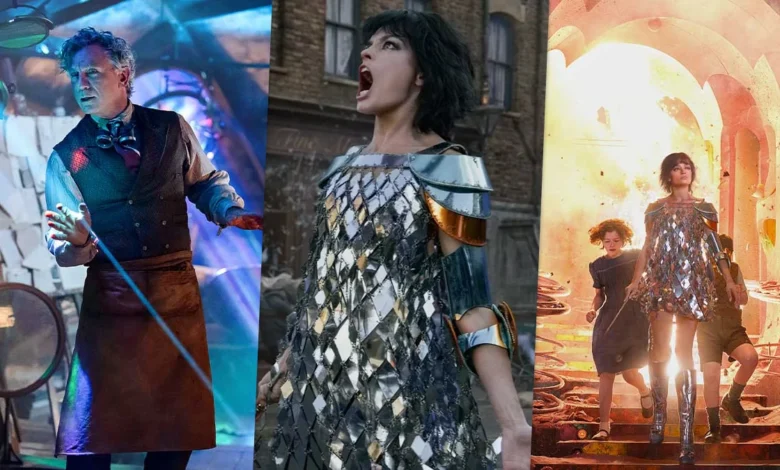
The first official promotional materials for Greta Gerwig’s upcoming adaptation of C.S. Lewis’s beloved literary masterpiece, The Chronicles of Narnia, have officially debuted via Empire Magazine, instantly igniting a passionate debate across digital platforms. Known for her critically acclaimed work on 2019’s Little Women and 2023’s box-office phenomenon Barbie, Gerwig is steering the classic intellectual property in a radically unprecedented direction. By leaning heavily into a self-described "rock-and-roll" aesthetic and choosing to adapt The Magician’s Nephew as her foundational entry point rather than the traditionally adapted The Lion, the Witch and the Wardrobe, the filmmaker has signaled a complete visual and narrative reinvention of the Narnian universe.
As audiences pore over the newly released images featuring Emma Mackey as the formidable Jadis and Daniel Craig as the eccentric Uncle Andrew Ketterley, the cinematic community finds itself deeply divided. While some hail the bold creative departure as an innovative and exciting expansion of fantasy filmmaking, long-time purists have expressed dismay over the departure from C.S. Lewis’s canonical descriptions and traditional thematic tones. With a theatrical release slated for February 12, 2027, followed by a streaming debut on Netflix on April 2, 2027, the project is positioning itself as one of the most controversial and highly anticipated literary adaptations of the decade.
Shifting the Timeline and Chronology: Starting with The Magician’s Nephew
The most significant structural alteration in Gerwig’s approach lies in her decision to bypass The Lion, the Witch and the Wardrobe as the inaugural film in the franchise. Published in 1950, that novel traditionally served as the entry point for readers and past screen adaptations alike, including the 1980s and 1990s BBC television adaptations and Walden Media’s 2005 cinematic blockbuster. Instead, Gerwig is beginning with C.S. Lewis’s 1955 prequel, The Magician’s Nephew, which serves as chronologically the first story in the overarching narrative arc.
This tactical storytelling choice allows the production to establish the creation of Narnia from its absolute genesis while simultaneously constructing an expansive origin story for Jadis, the character who later ascends to tyrannical power as the White Witch in subsequent tales. However, this foundational shift creates a ripple effect across the entire timeline of the planned franchise. By anchoring the narrative in the events of The Magician’s Nephew and shifting temporal markers forward by more than half a century, the eventual introduction of the Pevensie children will be fundamentally recontextualized. Rather than functioning as World War II evacuees weathering the Blitz in rural England, the modern Pevensies will likely see their narrative origins moved to the late 1990s or early 2000s, permanently altering the historical and cultural backdrop against which their journey of magical discovery unfolds.
A Rock-and-Roll Aesthetic: Reimagining Narnia Through a 1970s Lens
Perhaps the most startling revelation from the recent promotional push is the visual and auditory philosophy governing the production. In her interview with Empire Magazine, Gerwig laid bare her artistic inspirations, stating explicitly that she envisioned the project not as a traditional high-fantasy endeavor, but as a cinematic rock opera. Clarifying that the film is not a traditional musical, she emphasized that the emotional architecture of the film is deeply indebted to the classic rock icons of her formative years.
"David Bowie saved my life. Paul McCartney saved my life. David Gilmour saved my life. Pete Townshend saved my life. Jimmy Page, Robert Plant," Gerwig shared, explaining how the comfort she found in their music during her youth directly informed the creation of Narnia. In Lewis’s original theology of the universe, Narnia is literally sung into existence by the great lion, Aslan. Translating this metaphysical concept into a physical and stylistic motif, Gerwig reasoned that rock and roll represents the ultimate earthly manifestation of a world built entirely out of music.
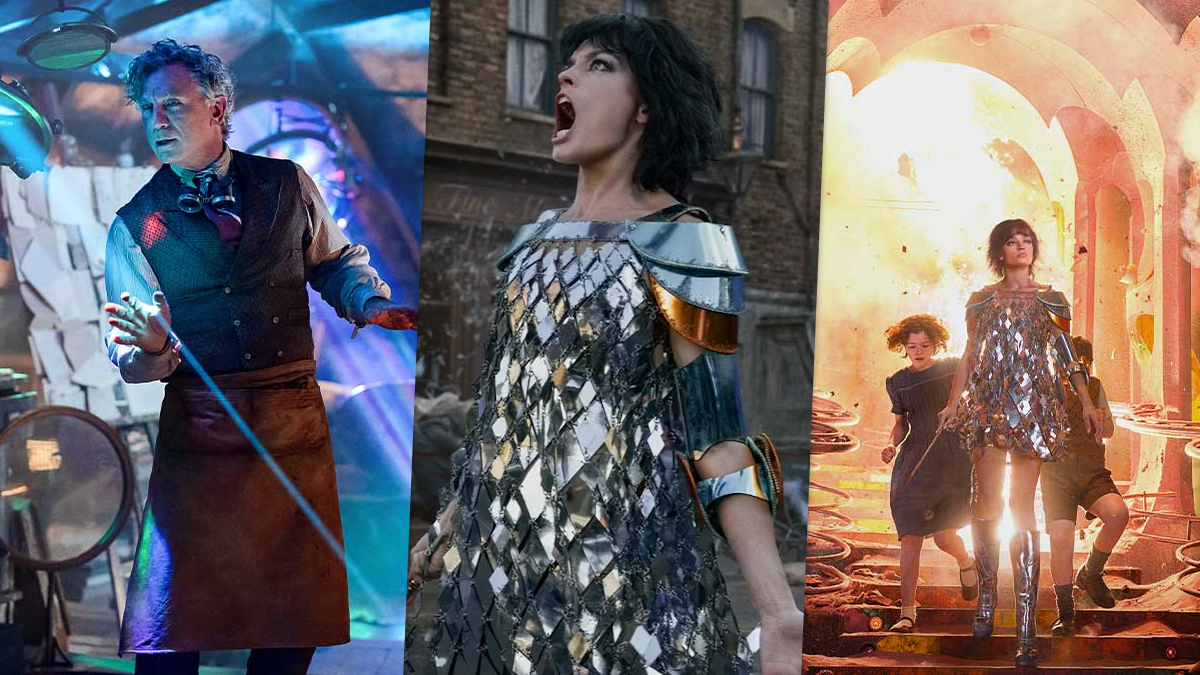
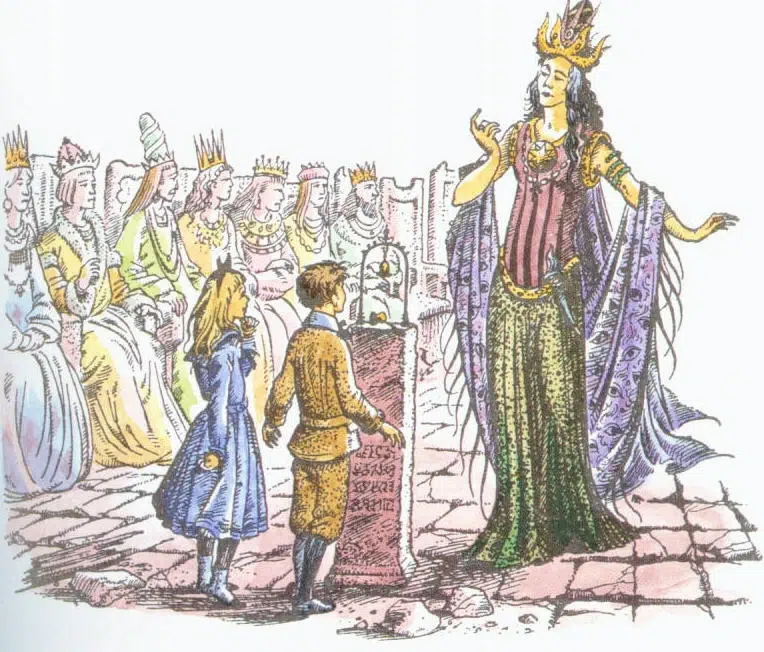
This philosophy manifests most visibly in the costuming and set design. The first-look images showcase Emma Mackey’s Jadis adorned in a striking, disco-inspired, glam-rock gown—a stark, polarizing departure from Pauline Baynes’s original illustrations, which depicted the character in regal, archaic garments topped with a golden crown. Similarly, Daniel Craig’s Uncle Andrew Ketterley operates within an office heavily layered with a distinct steampunk aesthetic, further distancing the production from the austere, Victorian- Edwardian sensibilities historically associated with the source material.
Character Breakdowns: Cast and Visual Adaptations
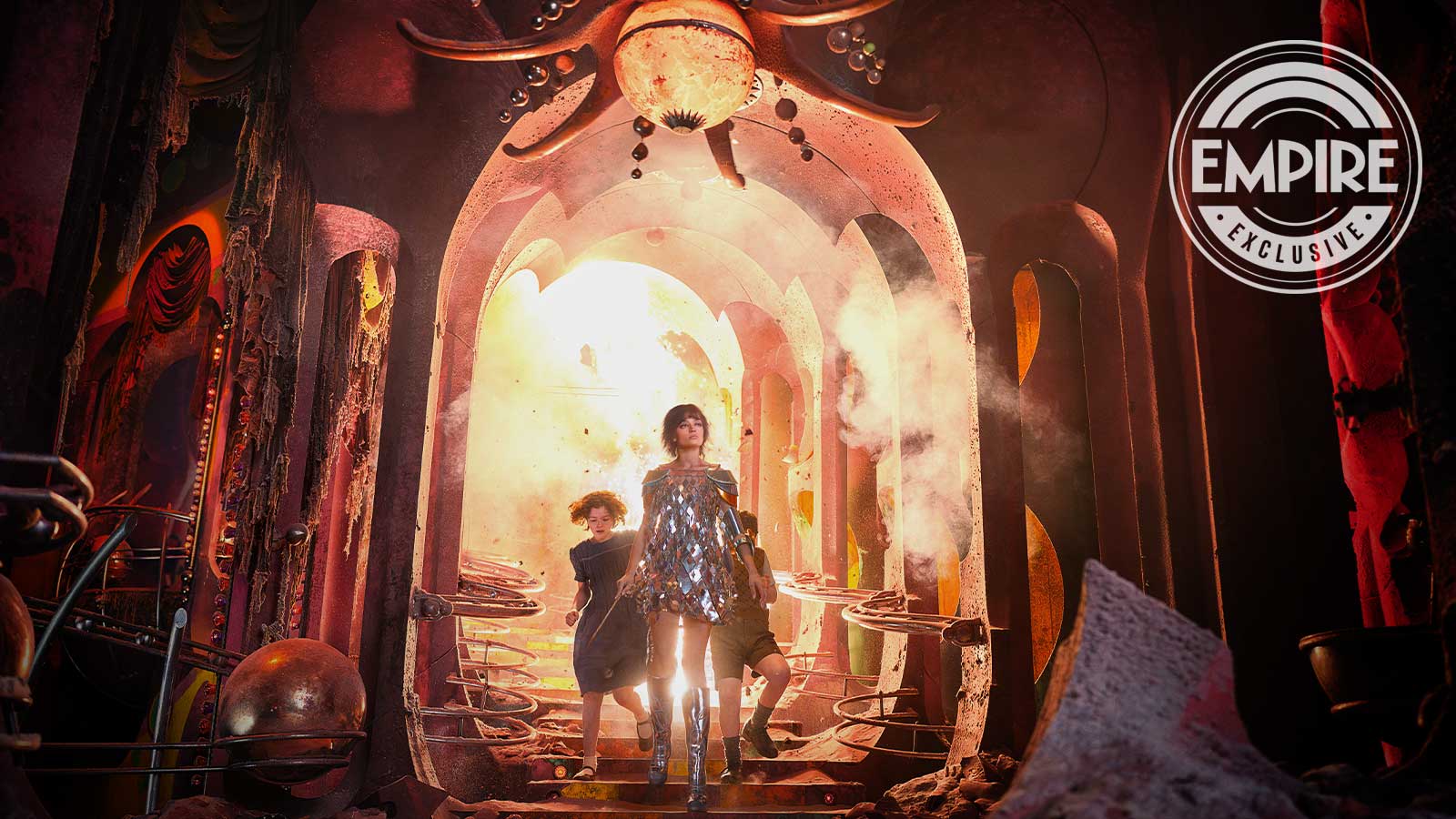
The newly unveiled imagery offers fans their very first concrete look at the principal cast members inhabiting these radically redesigned spaces. Emma Mackey commands the frame as Jadis, flanked by newcomers David McKenna as Digory Kirke and Beatrice Campbell as Polly Plummer. The setting depicted in the primary promotional still appears to be the dying world of Charn, a desolate, crimson-hued cityscape glowing beneath a dying red sun—a location referenced in Lewis’s text but never before brought to live-action screen adaptation.
Meanwhile, legendary James Bond actor Daniel Craig steps into the robes of Uncle Andrew Ketterley, the bumbling and morally dubious sorcerer responsible for the magical rings that transport the children between worlds. Craig described his character to Empire as "the stupidest magician in the world who actually made magic," a duality that appears to be captured in his ornate, industrial-fantasy workspace. While Craig’s physical presentation—complete with thinning grey hair and an eccentric wardrobe—closely mirrors the textual descriptions penned by C.S. Lewis, the surrounding environment embraces a much heavier, industrialized fantasy tone than previous cinematic iterations.
Examining the Textual Divide: Lewis’s Creation vs. Gerwig’s Interpretation
The stylistic direction has predictably reopened scholarly and fan-driven discussions regarding the nature of C.S. Lewis’s original text. In The Magician’s Nephew, the creation of Narnia is famously depicted as a slow, auditory awakening. Lewis describes the initial emergence of Aslan’s song as a transcendent, near-silent phenomenon: "There were no words. There was hardly even a tune. But it was, beyond comparison, the most beautiful noise he had ever heard."
Yet, as the creation sequence progresses, Lewis’s prose shifts dramatically in tempo and energy, describing a wild, exhilarating soundscape that "made you want to run and jump and climb." It is this second phase of creation that Gerwig leans into to justify her glam-rock framework. Proponents of her vision argue that utilizing the bombastic, theatrical energy of 1970s rock is a brilliant metaphorical translation of Lewis’s wild, life-affirming music. They point to contemporary fantasy trends—such as the massive theatrical success of adaptations like Wicked—as proof that modern audiences respond favorably to stylized, hyper-vibrant reimaginings of classic theatrical and literary properties.
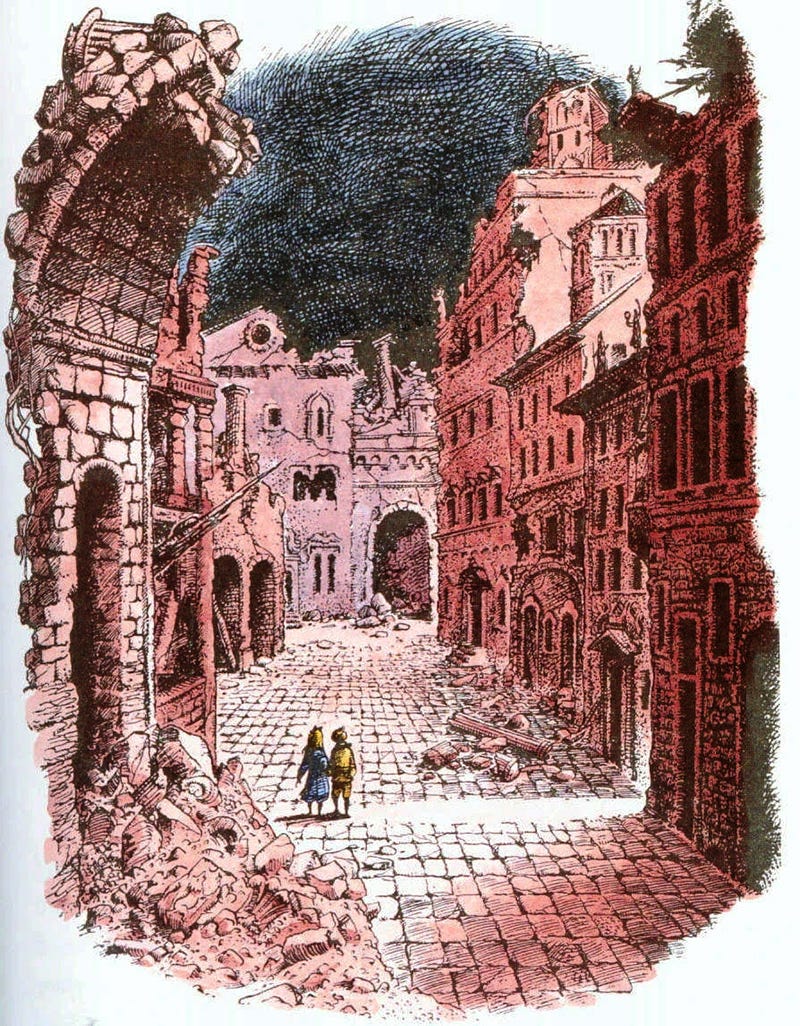
Conversely, traditionalists argue that injecting glam-rock aesthetics and modern chronological shifts strips Narnia of its distinct British pastoral charm and profound Christian allegorical weight. Critics have flooded social media with comparisons between the new promotional stills and classic illustrations, arguing that the deliberate modernization and stylistic departure risk alienating generations of readers who hold the literary canon close to their hearts.
Public Reaction and Fan Sentiment
The internet response to the Empire Magazine reveal has been sharply polarized, demonstrating the high stakes involved in adapting beloved cultural touchstones. On platforms like X (formerly Twitter), fan reactions range from profound disappointment to enthusiastic optimism.
One prominent Narnian enthusiast posted: "As a Narnia fan of 21 years, this is such a downgrade from the book and CS Lewis is rolling in his grave. Imagine if we’d had a book accurate Jadis instead of… whatever Greta Gerwig did. Her design in the Magician’s Nephew book is so beautiful and didn’t need to be changed."
In contrast, entertainment critics and open-minded fans have defended the artistic risk. Writer Richard Newby noted: "Honestly, digging what she’s saying about making Narnia a rock opera. It’s unique." Another user synthesized the complex feelings of many viewers by writing: "Honestly a fantasy rock opera where the world is ‘made out of music’ and ‘sung to life’ with rock ’n’ roll sounds like such an intriguing idea and would probably slap so hard… but it’s not Narnia. That’s never been Narnia, even if you choose to ignore the Christian allegory."
Broader Implications and Industry Context
Gerwig’s ambitious undertaking represents a major strategic play for Netflix, which acquired the rights to C.S. Lewis’s entire seven-book series in 2018 with the intention of developing an expansive cinematic and television universe. By enlisting an auteur of Gerwig’s caliber, the streaming giant is intentionally signaling that these adaptations will not merely be safe, formulaic fantasy retellings, but high-prestige, director-driven visions designed to capture cultural mindshare.
Whether this high-risk strategy pays off will depend entirely on how general audiences and die-hard fans receive the final product when it hits theaters. By subverting visual norms, shifting chronologies, and infusing classic literature with the rebellious spirit of classic rock, Greta Gerwig has ensured that her journey into the wardrobe—and beyond it—will be one of the most closely scrutinized cinematic events of the decade.
The Chronicles of Narnia: The Magician’s Nephew is scheduled for a theatrical release on February 12, 2027, before making its subscription streaming debut worldwide on Netflix on April 2, 2027.