Snap Officially Launches Specs AR Glasses at Long-Awaited Event: A Defining Moment for Wearable Technology


Snap has officially taken the wraps off its highly anticipated Specs augmented reality glasses during a dedicated launch event, marking a significant milestone for the company’s hardware ambitions and the broader wearable technology industry. Originally previewed in June at AWE 2026 with promises of a fall rollout, the device represents Snap’s most ambitious hardware undertaking to date. As consumers and industry observers look toward a post-smartphone future, Snap is betting heavily that spatial computing integrated into eyewear will fundamentally alter how humans interact with digital information.
The formal unveiling brings clarity to months of speculation regarding availability, design philosophy, and ecosystem integration. While earlier developer-focused iterations of Snap’s AR glasses laid the groundwork, the newly introduced consumer-ready Specs aim to bridge the gap between futuristic holographic utility and everyday wearability. Yet, entering a crowded and rapidly evolving market dominated by tech giants poses formidable challenges for the social media pioneer.
The Evolution of Snap Specs: From Developer Kits to Consumer Reality
The journey toward the commercial debut of Snap Specs has been characterized by iterative hardware development and strategic patience. When Snap first showcased the underlying technology at the Augmented World Expo (AWE) in June 2026, company executives framed the release as a pivotal transition point in modern computing. Russell Patton, the product manager overseeing the Specs project at Snap, emphasized that the shift from handheld smartphones to wearable optics is inevitable, noting that the company is deliberately avoiding a simple "porting" of mobile applications into an eyewear format.
Instead, Snap has focused on native spatial content and visual artificial intelligence that can interpret the physical world and provide contextual, real-time learning experiences. Despite the initial summer reveal, Snap opted to delay the definitive commercial launch until September to refine the user experience, optimize software capabilities, and align retail strategies. The September 16 launch event provided attendees and digital viewers alike with a comprehensive look at the new Lenses, proprietary software features, and the physical architecture of the hardware itself.
Design Challenges and Ergonomic Realities
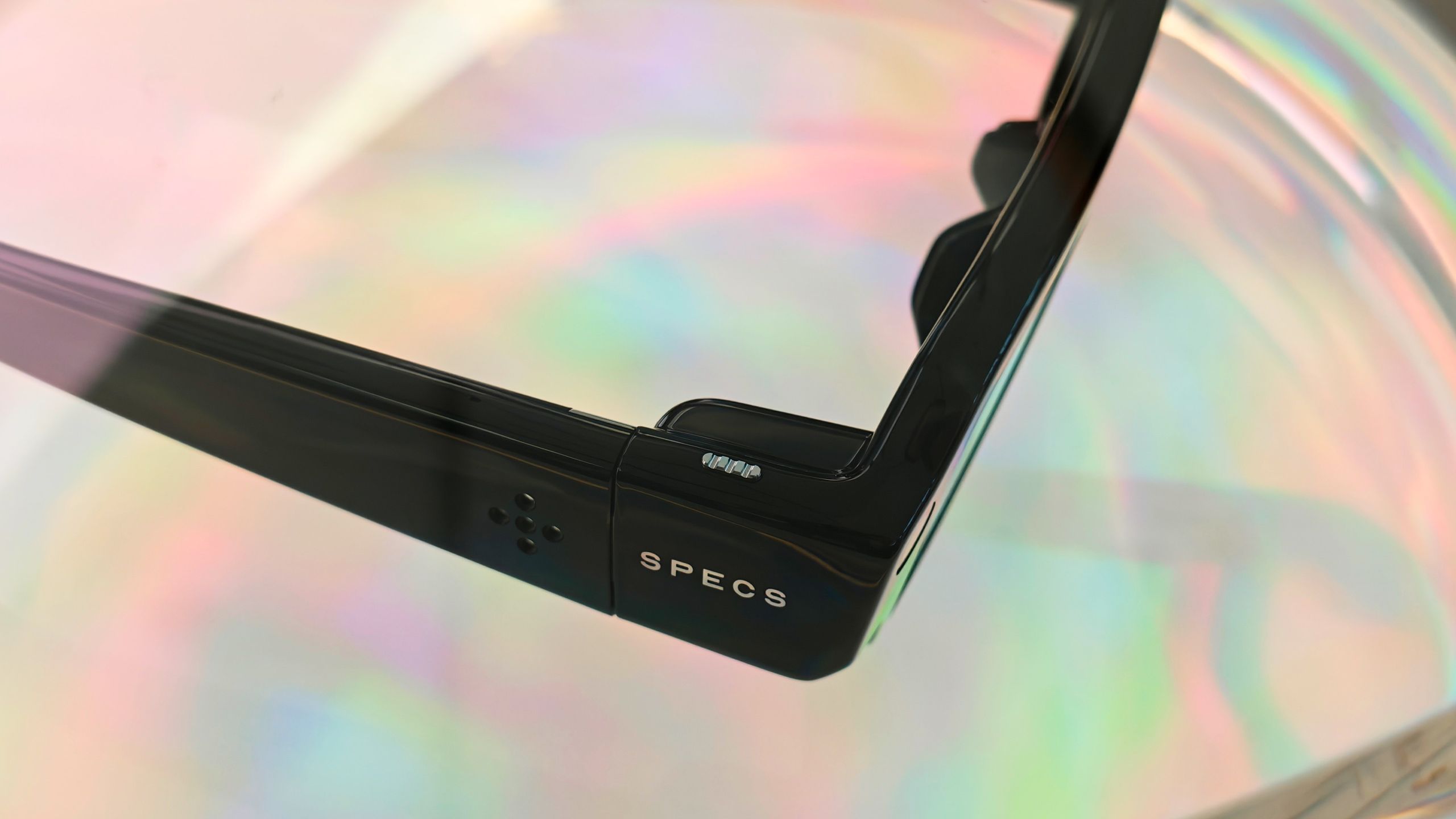
One of the most heavily scrutinized aspects of the new Snap Specs is their physical form factor. Compared to bulkier enterprise head-mounted displays, the consumer version of Specs is undeniably svelte. However, when placed side-by-side with traditional prescription eyewear or even rival audio-first smart glasses, Snap’s hardware remains noticeably thick and substantial.

Early hands-on evaluations from industry analysts indicate that while the device is surprisingly comfortable for extended wear periods, the sheer volume required to house advanced optical engines, processing units, and sensors results in oversized frame arms that can exert noticeable pressure on the wearer’s ears. This design compromise underscores the fundamental physics of augmented reality engineering: packing standalone computing power, spatial tracking sensors, and high-brightness optical displays into a lightweight, fashionable frame remains one of the premier challenges in consumer electronics.
Snap’s leadership is fully aware of these aesthetic and ergonomic hurdles. The central gamble for the company is whether consumers will tolerate a slightly chunkier profile in exchange for genuinely breakthrough augmented reality features, or if mainstream adoption will stall due to social stigma and physical fatigue.
Market Landscape and the Dominance of Meta
Snap’s entrance into the consumer smart glasses arena occurs against a complex and shifting macroeconomic and competitive backdrop. According to recent data from the International Data Corporation (IDC), the global smart glasses market experienced explosive growth in early 2026, with shipments surging by an astonishing 130 percent during the first quarter. However, the market has since experienced a cooling period, with year-over-year shipment growth decelerating to approximately 35 percent globally.

More daunting than market maturation is the commanding presence of Meta Platforms. IDC market research indicates that Meta currently commands an overwhelming 70 percent share of the smart glasses sector, largely driven by the commercial success of its Ray-Ban Meta audio-centric smart glasses. Emerging competitors such as RayNeo hold distant single-digit market shares, leaving Snap to carve out a distinct third-pillar position by offering true augmented reality and spatial visualization rather than simple audio integration and basic camera functionality.
Despite these hurdles, industry analysts believe that a fresh wave of product rollouts this fall—spearheaded by Snap’s Specs and anticipated hardware announcements from Meta at its upcoming Connect event—will reignite consumer interest. This anticipated surge is expected to drive market growth, even as privacy advocates and market regulators scrutinize the rapid proliferation of always-on cameras and AI-driven spatial data collection tools.
Strategic Implications and the Future of Spatial Computing
The commercialization of Snap Specs carries profound implications not only for Snap as a publicly traded enterprise transitioning beyond advertising revenue, but also for the entire consumer electronics ecosystem. For years, major technology conglomerates have chased the elusive "iPhone moment" for augmented reality, attempting to unseat the smartphone as the primary hub of digital interaction.

Snap’s strategy relies heavily on leveraging its vast ecosystem of creators, developers, and users who are already familiar with the company’s augmented reality tools, known as Lenses. By equipping these creators with spatial development tools tailored for the Specs hardware, Snap hopes to foster an organic, community-driven application ecosystem that traditional hardware manufacturers might struggle to replicate.
Furthermore, the integration of advanced visual AI positions the Specs not merely as a communication accessory or a media capture device, but as an interactive learning and navigation tool. If Snap can successfully communicate the practical value of these spatial experiences to a skeptical public, the launch could catalyze a broader industry shift toward true augmented reality.
As the launch event concludes and hands-on evaluations continue to emerge, all eyes turn to the final retail pricing, exact shipping timelines, and consumer reception. Whether Snap Specs become the vanguard of a new computing era or remain a niche device for early adopters will depend entirely on how seamlessly the company bridges the gap between ambitious technological capability and everyday human utility.
Related posts: