Target Accelerates Expansion Strategy with Plans for Over 300 New Stores by 2035 and High-Profile Locations Including the Hamptons

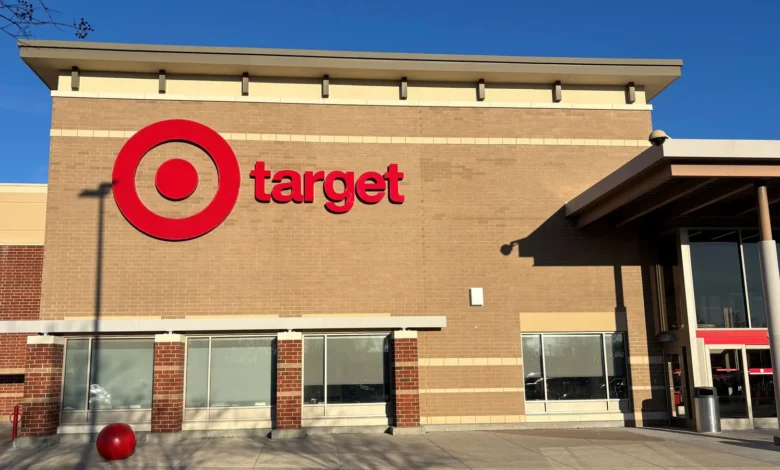
Retail giant Target is charging ahead with an aggressive long-term physical expansion strategy, anchored by a sweeping corporate vision to open more than 300 new stores by the year 2035. This ambitious blueprint encompasses a diverse array of real estate footprints, ranging from densely populated suburban centers to high-profile, exclusive markets such as the Hamptons. As consumer shopping behaviors evolve post-pandemic, the big-box retailer is betting heavily on the enduring value of brick-and-mortar storefronts, viewing them not just as points of sale, but as critical community hubs and localized fulfillment centers for digital orders.
The acceleration of Target’s store development pipeline follows a period of robust financial performance and capital reinvestment. By pairing physical growth with heavy injections of capital into supply chain logistics, technological infrastructure, and artificial intelligence, the Minneapolis-based company is positioning itself to capture greater market share across multiple retail categories. Industry analysts note that this dual focus on physical footprint expansion and digital integration represents a comprehensive modernization of the traditional discount department store model.
The Evolution of Target’s Real Estate and Capital Expenditure Strategy
Target’s recent real estate maneuvers represent a calculated pivot toward experiential retail and localized inventory management. The newly announced retail locations—exemplified by upcoming builds in premier destinations like the Hamptons—reflect a deliberate effort to reach affluent and high-density consumer bases that may have previously been underserved by traditional large-format stores.
This expansive real estate vision is financially backed by massive corporate investments. Last year, executive leadership announced an additional $1 billion capital allocation earmarked specifically for business enhancements, layered on top of a baseline $5 billion annual expenditure budget. These funds are strategically distributed across four primary pillars: ground-up new store construction, comprehensive store remodels, technological advancements, and supply chain optimizations.
Adrienne Costanzo, Chief Stores Officer at Target, emphasized the transformative potential of these investments during a corporate briefing. “These new stores give our teams the tools and environments to bring our merchandising strengths to life, create easier and more inspiring shopping experiences, and use technology to move smarter and faster every day,” Costanzo stated.
By outfitting new and existing stores with upgraded inventory-tracking technology, mobile point-of-sale devices, and streamlined fulfillment spaces, Target aims to reduce friction for both shoppers navigating aisles and employees processing same-day pickup and delivery orders.
Chronology of Expansion: Key Milestones Leading to the 2035 Vision
Target’s path toward its 300-store expansion goal is marked by a series of deliberate operational milestones over the past year. The rollout demonstrates a balanced approach between launching groundbreaking flagship locations and systematically upgrading its legacy fleet.
Earlier this year, Target achieved a major corporate milestone with the grand opening of its 2,000th store, located in Fuquay-Varina, North Carolina. This landmark location served as a blueprint for the retailer’s modern design philosophy, featuring an expansive open-layout concept designed to maximize natural light and improve sightlines. Notably, the Fuquay-Varina store debuted a food and beverage department roughly 30% larger than the average legacy location, underscoring the company’s ongoing emphasis on fresh grocery offerings and snack categories as vital traffic drivers.
Building on that momentum, Target announced a wave of six additional store openings scheduled across Arizona, Missouri, New Jersey, and North Carolina. Furthermore, the retail chain confirmed that seven out of eight upcoming stores slated for an October launch will exceed 125,000 square feet, proving that the company remains committed to the large-format superstore experience even as it experiments with smaller, localized footprints in dense urban and resort markets.
Concurrently, Target is not neglecting its existing portfolio. The corporation has initiated extensive remodels across 130 legacy locations throughout the country. These modernization projects typically incorporate updated lighting, expanded digital fulfillment holding areas, refreshed beauty and apparel departments, and optimized checkout zones designed to accommodate high volumes of both in-store shoppers and online order pickups.
Financial Health and Strong Q2 Performance Fuel Growth
The aggressive capital expenditure plan is heavily supported by a surging financial foundation. Target’s strategic investments and merchandising adjustments yielded exceptional results during the second quarter of the fiscal year, providing executive leadership with the confidence and liquidity required to fund long-term real estate projects.
During Q2, Target reported that net sales climbed 5.3% compared to the same period in the previous year, reaching an impressive $26.5 billion. Simultaneously, comparable sales—a vital metric measuring revenue generated by stores and digital channels operating for at least 14 months—grew by 3.8%. Even more striking was the company’s bottom-line growth: net earnings skyrocketed by over 100%, approaching nearly $1.9 billion for the quarter.
Financial analysts attribute this profitability surge to disciplined inventory management, successful merchandising strategies within high-margin categories such as beauty, apparel, and hardlines, and a stabilization of supply chain costs. By avoiding the deep margin-crushing markdowns that plagued portions of the retail sector in prior years, Target has preserved its profitability while maintaining competitive price points that appeal to cost-conscious consumers navigating persistent macroeconomic uncertainties.
Enhancing Omnichannel Capabilities and Next-Day Delivery

Physical store expansion does not exist in a vacuum within Target’s modern corporate strategy; rather, every new brick-and-mortar location doubles as a localized node in the company’s vast digital fulfillment network. The vast majority of Target’s online orders—including Drive Up, Order Pickup, and home shipping—are fulfilled directly from store inventories rather than remote warehouses.
To maximize the efficiency of this omnichannel model, Target is aggressively scaling its supply chain capabilities. Alongside its physical store openings and remodels, the retailer is expanding its next-day delivery service to an additional 20 major metropolitan areas. This enhancement brings faster fulfillment speeds to millions of new households, allowing Target to compete more effectively against pure-play e-commerce giants and rival big-box competitors.
By utilizing local stores as mini-distribution hubs, Target significantly reduces the final-mile shipping costs associated with centralized e-commerce fulfillment. This localized model allows the company to move inventory closer to the consumer, drastically cutting transit times while minimizing carbon emissions and transportation expenses.
Implications and Industry Outlook
Target’s multifaceted growth strategy carries significant implications for the broader American retail landscape. While many traditional retailers have spent the last decade aggressively shrinking their physical footprints or exiting the brick-and-mortar space entirely in favor of e-commerce, Target’s aggressive commitment to opening over 300 stores by 2035 signals a strong counter-thesis: physical retail, when thoughtfully integrated with digital infrastructure, remains an exceptionally potent business model.
The decision to target high-profile, exclusive markets such as the Hamptons alongside growing suburban corridors demonstrates a sophisticated understanding of localized demographics. By tailoring store sizes, layouts, and product assortments to fit the unique characteristics of each community—ranging from oversized grocery departments in family-centric suburbs to curated, trend-forward assortments in affluent seasonal destinations—Target is maximizing the productivity of every square foot of real estate.
As the company continues to execute its multi-billion-dollar investment plan through the remainder of the decade, industry observers will be watching closely to see how these new store openings impact market share, customer acquisition costs, and digital integration. For now, Target’s strong balance sheet, surging quarterly earnings, and clear long-term roadmap position the retailer as a resilient and forward-thinking leader in the modern retail sector.