Indian Army Inaugurates Advanced AASHVAST Laboratory to Bolster Drone Security and Counter Supply Chain Risks

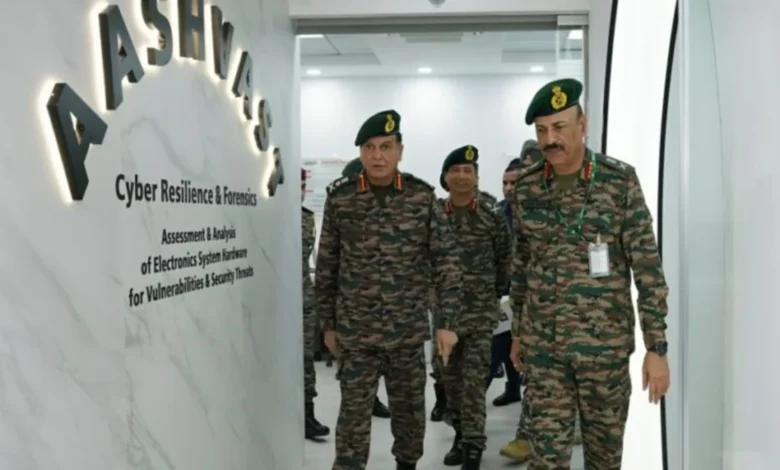
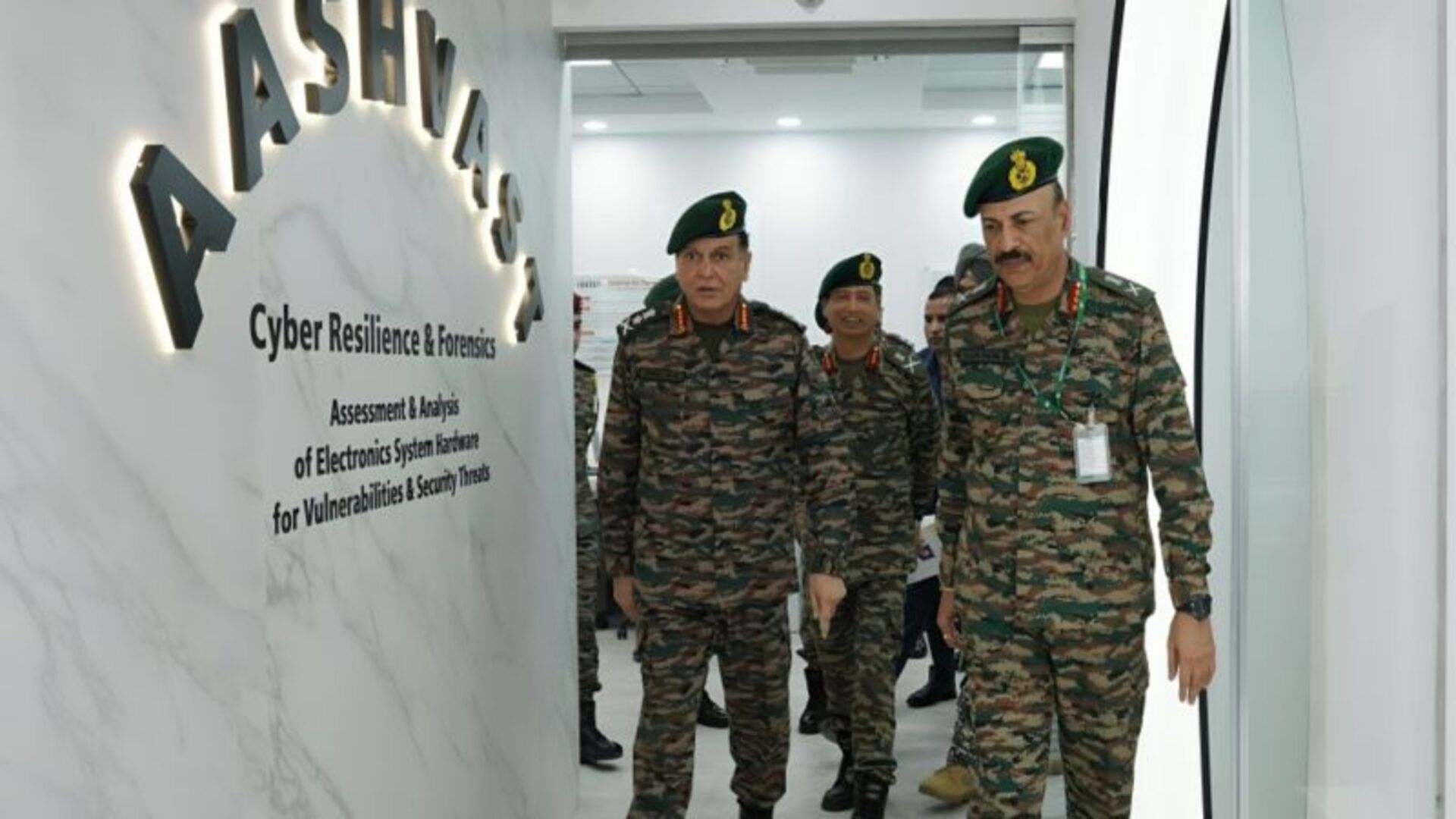
The Indian Army has officially inaugurated the Assessment and Analysis of Electronic Systems Hardware for Vulnerabilities and Security Threats (AASHVAST) facility in New Delhi, a strategic move designed to fortify the nation’s aerial defense capabilities against the rising threat of compromised drone technology. Located within the Army’s technical directorate at the Delhi Cantonment, this specialized laboratory serves as a high-security clearinghouse where Unmanned Aerial Vehicles (UAVs) are subjected to rigorous forensic examination. The primary objective is to detect clandestine software backdoors, unauthorized hardware components, and potential vulnerabilities that could undermine the integrity of military operations.
The establishment of AASHVAST marks a critical escalation in the Indian defense establishment’s commitment to self-reliance and security. As drone warfare becomes increasingly prevalent globally, the security of the hardware supply chain has emerged as a primary national security concern. The facility is specifically tasked with verifying that the physical components within a drone match their official procurement documentation, effectively identifying instances where unauthorized or "swapped-in" parts have been integrated into sensitive defense assets.
The Genesis of AASHVAST and the Security Imperative
The push for a dedicated hardware testing facility follows a multi-year period of rapid modernization within the Indian armed forces. Over the past decade, the integration of UAVs into the Indian Army’s tactical reconnaissance and surveillance framework has accelerated. However, this surge in adoption has been accompanied by heightened concerns regarding the provenance of electronic components.
The global electronics supply chain, particularly for microchips and specialized controllers, is notoriously opaque. With a significant portion of global semiconductor manufacturing centralized in regions that may have adversarial interests, defense analysts have long warned about the "Trojan horse" potential of imported hardware. Hidden circuitry, secret command pathways, and embedded encryption keys could potentially grant third-party actors unauthorized access to the flight controls, sensory data, or communication links of an Indian military drone.
The inauguration, led by Army Chief General Dhiraj Seth, underscores a shift toward a "zero-trust" hardware procurement model. By establishing a domestic facility to perform deep-level audits, the Indian Army is moving to mitigate the risks associated with globalized manufacturing, ensuring that the technology deployed on the front lines is secure, authentic, and under the sole control of its operators.
Technical Methodologies: A Deep Dive into Forensic Auditing
The AASHVAST laboratory operates under strict protocols to maintain the integrity of the data it processes. To prevent the leakage of classified information, the facility functions in a completely air-gapped environment. No internet connection is permitted within the lab, and strict data-handling procedures prevent any information from being copied to external storage devices.
The examination process is non-destructive, ensuring that the software on the tested drone remains unaltered. This is a critical feature, as it allows for testing without risking the corruption of the device’s operational firmware. Instead, technicians utilize advanced diagnostic tools—supported by a proprietary software suite developed by the Noida-based firm QuickPay Tech—to scan for anomalies.
Key areas of focus during the inspection include:
- Supply Chain Integrity: Technicians cross-reference the markings and circuit layouts of every onboard controller, camera unit, and navigation chip against the manufacturer’s original specifications. Any discrepancy in physical markings or architectural layout triggers an immediate investigation into the supply chain.
- Backdoor Detection: The software suite searches for hidden command pathways, concealed administrative passwords, and non-standard encryption keys. Such features, if discovered, could allow an external party to hijack the drone mid-flight.
- Firmware Verification: The team verifies that the drone’s firmware is cryptographically signed and exclusively updates via authorized manufacturer channels. This prevents the unauthorized "sideloading" of malicious code, which is a common vector for remote tampering.
- Signal Resiliency: A significant portion of the assessment involves testing the drone’s navigation system against electronic warfare (EW) threats, specifically jamming and spoofing. This ensures the platform can maintain its mission parameters even in highly contested electromagnetic environments.
Following the assessment, vulnerabilities are categorized by their severity and compiled into a formal, unified report. This document acts as the final arbiter for the officer in charge, providing a standardized basis for approval or rejection of the drone for field deployment.
Supporting Data and the Strategic Landscape
The necessity for such a facility is supported by broader trends in global defense. According to data from the Stockholm International Peace Research Institute (SIPRI), India remains one of the world’s largest importers of defense hardware. While initiatives such as "Make in India" aim to transition the country toward domestic manufacturing, the reliance on foreign-sourced components remains a reality in the short-to-medium term.
In the context of the drone sector, the proliferation of "dual-use" technologies—hardware that can be used for both civilian and military purposes—has made it difficult to verify the security of off-the-shelf components. Research by cyber-defense firms indicates that minor hardware modifications can be used to bypass traditional software security. Even a simple substitution of a chip that performs as expected but contains an extra transistor can provide a backdoor into a system’s root access.
The Indian Army’s decision to standardize these tests suggests a recognition that software security is only as strong as the silicon it runs on. By focusing on hardware, the Army is addressing the "Root of Trust" problem, which has historically been a blind spot in cybersecurity assessments.
Official Response and Institutional Perspective
While the Indian Army has maintained a professional stance regarding the facility’s capabilities, the implications of its operation are clear. By institutionalizing the verification process, the Army is signaling to its suppliers that quality control and hardware transparency are now non-negotiable requirements.
"The objective is to ensure that our sensitive platforms are not just operationally effective but also inherently secure from the ground up," a defense official noted, speaking on the condition of anonymity. "The laboratory allows us to bridge the gap between procurement and deployment, providing a layer of assurance that was previously difficult to achieve at scale."
The collaboration with QuickPay Tech, a local UAV technology firm, highlights a broader strategic goal: fostering a domestic ecosystem of cybersecurity experts who understand the specific needs of the Indian defense sector. By relying on homegrown software for these critical audits, the Army ensures that the tools used to test their hardware are themselves transparent and free from foreign interference.
Broader Implications and Future Outlook
The creation of the AASHVAST facility is expected to have a ripple effect across India’s defense procurement landscape. Firstly, it will likely necessitate stricter compliance from vendors, who will now be aware that their hardware will be subjected to granular, forensic-level scrutiny. This could drive up the cost of procurement initially but will likely lead to a more robust and reliable fleet of UAVs in the long term.
Secondly, the facility serves as a blueprint for other branches of the military. If the AASHVAST model proves successful, it is highly probable that the Indian Air Force and the Indian Navy will adopt similar protocols for their respective electronic systems and drone fleets.
However, analysts caution that hardware verification is not a panacea. The rapid pace of technological innovation means that threat actors are constantly evolving their methods. As one defense analyst noted, "Verifying hardware origin is a crucial step, but it is a point-in-time check. As drones are deployed, they are exposed to new environments, and their software can be updated remotely. The next challenge for the Army will be to maintain this level of scrutiny throughout the lifecycle of the platform, not just at the time of induction."
Ultimately, the AASHVAST facility represents a proactive, calculated response to the realities of modern warfare. In an era where electronic components are potential vectors for cyber-attacks, the ability to inspect and verify the physical building blocks of military technology is a foundational element of national sovereignty. By investing in this capability, the Indian Army is taking a significant step toward ensuring that its technological edge remains secure, reliable, and entirely under its own command.