Apple’s iPhone 18 Pro and iPhone 18 Pro Max Officially Arrive With Advanced A20 Pro Chips and Launch-Day Trade-In Promotions

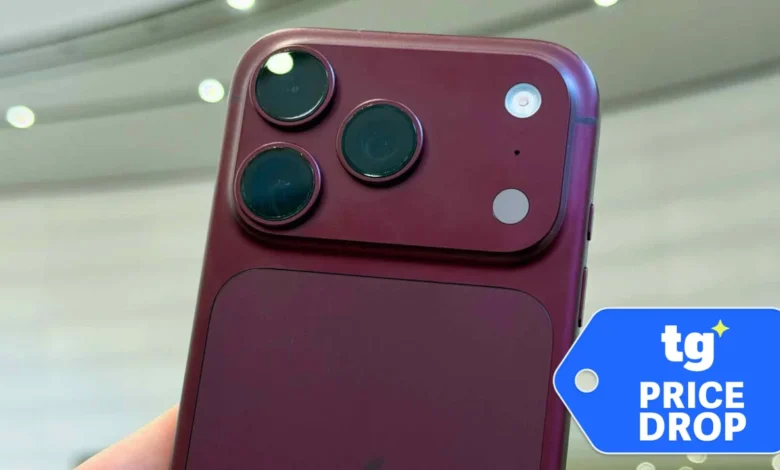
The official release of Apple’s next-generation flagship smartphone lineup has officially commenced, bringing significant hardware revisions, a shift in baseline pricing, and early promotional discounts to consumers across the telecommunications market. Hitting store shelves globally on September 18, the newly introduced iPhone 18 Pro and iPhone 18 Pro Max represent Apple’s most powerful mobile computing hardware to date, powered by the cutting-edge A20 Pro chipset and featuring expanded baseline storage configurations.
Despite a $100 price adjustment that lifts the starting retail prices of the Pro models to $1,199 and $1,299 respectively, major telecommunications carriers and retail analysts have mobilized a wave of early upgrade incentives, trade-in programs, and promotional financing structures designed to cushion the financial impact for early adopters. Major operators, including T-Mobile, have already rolled out high-value incentives enabling qualified buyers to acquire the hardware via structured service agreements or promotional trade-in allowances.
Evolution of the Pro Lineup and Market Context
The rollout of the iPhone 18 Pro series follows a multi-year trajectory of incremental hardware refinements combined with substantial shifts in internal processing architecture. Apple’s transition to the A20 Pro chipset marks a critical milestone in mobile silicon development, focusing heavily on enhanced neural processing capabilities for on-device artificial intelligence tasks, improved thermal efficiency, and sustained performance under heavy graphical workloads.
Historically, Apple has utilized annual September product lifecycles to reestablish the benchmark for consumer mobile technology. However, the introduction of the iPhone 18 generation occurs against a backdrop of shifting global consumer dynamics, characterized by longer device replacement cycles and rising manufacturing costs. Industry analysts note that by increasing baseline storage configurations to 256GB across the entire Pro tier, Apple has attempted to justify the $100 upward price revision, framing the adjustment as a reflection of enhanced baseline utility rather than an arbitrary cost increase.
The launch timeline for the 2026 flagship generation unfolded across a carefully orchestrated schedule:
- Early September: Official product unveiling during Apple’s annual keynote event, detailing specifications, pricing structures, and structural design upgrades.
- Mid-September: Opening of global pre-order channels, accompanied by immediate deployment of carrier subsidy programs and trade-in valuations.
- September 18: Official in-store availability and commencement of direct consumer fulfillment for both retail and carrier channels.
Detailed Specifications: Design, Display, and Camera Architecture
Maintaining Apple’s established industrial design philosophy, the iPhone 18 Pro and iPhone 18 Pro Max feature rigid aerospace-grade enclosures, enhanced water and dust resistance certifications, and second-generation Ceramic Shield front glass designed to withstand severe impact and scratch testing.
The primary divergence between the two flagship models lies in physical dimensions, display surface area, and battery capacity:
- iPhone 18 Pro: Equipped with a vibrant 6.3-inch OLED display, catering to users prioritizing a more compact, single-handed ergonomic profile. Apple’s official documentation indicates that the device delivers up to 36 hours of continuous video playback.
- iPhone 18 Pro Max: Features an expansive 6.9-inch OLED display, designed for media consumption, multitasking, and professional creative workflows. Thanks to its larger physical chassis, the Pro Max accommodates a substantially larger power cell, yielding an industry-leading 45 hours of continuous video playback.
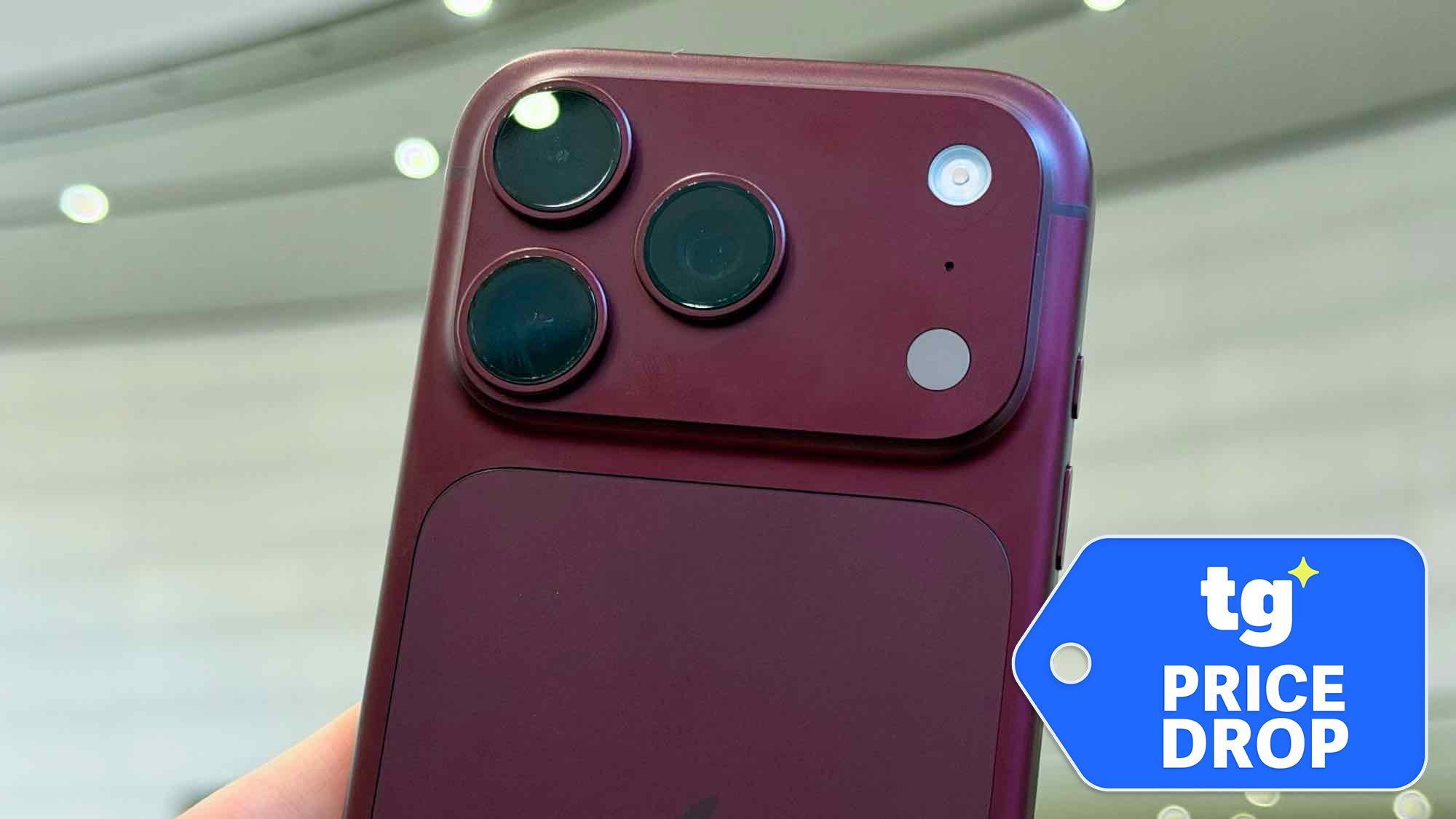
Both models share an identical, highly sophisticated triple-lens camera array anchored by a primary 48-megapixel sensor. Notably, this sensor incorporates a variable aperture system—a feature long anticipated by mobile photography enthusiasts—allowing the physical lens blades to adjust dynamically to changing ambient lighting conditions. This hardware enhancement improves depth-of-field control in portrait photography and optimizes light gathering during low-light scenarios. Furthermore, computational photography pipelines driven by the A20 Pro Neural Engine automatically execute multi-frame synthesis to maximize dynamic range and color accuracy.
Carrier Incentives and Promotional Landscape
With the retail pricing reaching $1,199 for the 6.3-inch model and $1,299 for the 6.9-inch variant, prospective buyers have heavily scrutinized the availability of subsidy programs. Telecommunications carriers have responded aggressively to capture high-value postpaid subscribers during the critical launch window.
T-Mobile launched comprehensive promotional campaigns structured around its "Experience Beyond" service tiers. Consumers transitioning their existing phone numbers to the network or executing eligible device trade-ins can acquire the standard iPhone 18 Pro with zero residual hardware cost spread across monthly bill credits. For the larger iPhone 18 Pro Max, T-Mobile has structured trade-in discounts scaling up to $1,200, effectively reducing the net device cost to a nominal monthly fraction for qualifying account holders.
Other major regional and national carriers have introduced comparable financial structures, heavily emphasizing trade-in programs involving devices spanning multiple past generations. Market researchers observe that these carrier subsidies remain the primary mechanism driving high-volume adoption of premium-tier smartphones, shielding the broader consumer market from the full impact of rising retail hardware costs.
Industry Implications and Forward Outlook
The commercial performance of the iPhone 18 Pro series will serve as an essential indicator of health for the broader premium consumer electronics market. By anchoring the devices to the advanced A20 Pro architecture and standardized 256GB storage floors, Apple is signaling a long-term commitment to high-performance local computing, particularly as software ecosystems incorporate increasingly complex generative machine learning features.
Initial consumer demand indicators suggest strong early traction, particularly for the iPhone 18 Pro Max, which continues to capture the preference of power users demanding maximum battery longevity and expansive screen real estate. As independent testing laboratories and technical publications finalize comprehensive benchmark evaluations over the coming weeks, a clearer picture will emerge regarding the thermal management, processing ceilings, and real-world battery endurance of Apple’s latest hardware generation.
Industry observers advise consumers navigating the initial launch window to carefully evaluate trade-in valuations and long-term carrier service commitments before finalizing purchases. With competitive subsidy structures currently active across major networks, early adopters retain significant opportunities to mitigate the financial entry barrier of Apple’s most ambitious smartphone lineup to date.