Walmart+ Expands Fuel Savings Network to Over 17,000 Stations Through New Partnership with Citgo

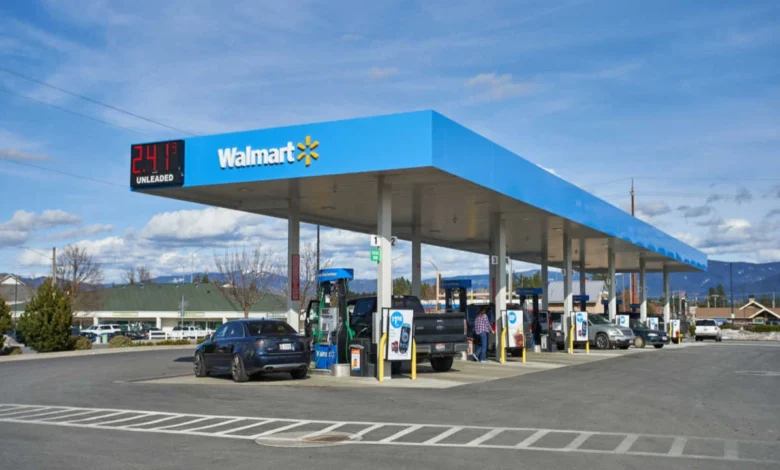
Retail giant Walmart has announced a major expansion of its Walmart+ membership gas savings benefit, integrating more than 4,000 Citgo locations into its nationwide network. The strategic move brings the total number of participating fuel stations to over 17,000 nationwide, marking an approximate 30% increase in overall station availability for program subscribers. This development arrives at a critical economic juncture characterized by persistent inflationary pressures, rising crude oil markets, and mounting transportation expenses that disproportionately affect American households and the broader labor economy.
Under the terms of the expanded benefit, Walmart+ members are entitled to a direct discount of 10 cents per gallon on fuel at participating Citgo stations. This latest collaboration complements the existing roster of fuel partners, which already includes Exxon, Mobil, Murphy USA, and select fuel stations at Sam’s Club locations, alongside Walmart’s own branded fuel pumps. Company executives emphasize that these tangible, recurring savings are designed to reinforce the overall value proposition of the subscription model in an increasingly competitive retail subscription landscape.
The Evolution of Walmart+ and Retail Membership Economics
Since its nationwide rollout, Walmart+ has sought to challenge established retail subscription models by focusing heavily on everyday utility, convenience, and direct cost-saving measures. In an environment where consumers are forced to scrutinize recurring subscription fees, retail executives recognize that programs must justify their costs through immediate, practical utility.
The integration of Citgo represents a concerted effort to broaden geographic coverage and ensure that members can access fuel discounts within their routine daily commutes and local travel paths. According to company leadership, the average active Walmart+ member who regularly utilizes the fuel discount saves in excess of $100 annually, effectively offsetting the baseline cost of the annual or monthly subscription fee. This strategic alignment underscores how major brick-and-mortar retailers are leveraging ancillary perks—such as grocery delivery, streaming services, and fuel discounts—to foster long-term customer loyalty and drive frequent in-store and online purchasing behaviors.
Macroeconomic Pressures and the Escalating Cost of Transportation
The timing of Walmart’s announcement coincides with heightened sensitivity surrounding household transportation budgets. According to historical and recent consumer expenditure data compiled by federal agencies, fuel costs represent a substantial share of non-discretionary spending for the average American family, totaling thousands of dollars annually.
Recent economic reports illustrate the rapid acceleration of these costs. Data from the Consumer Price Index (CPI), published by the Bureau of Labor Statistics, highlighted a notable 3.9% surge in gasoline costs over a single monthly monitoring period. Parallel reporting from automotive associations like AAA placed the national average price for regular unleaded gasoline at $4.31 per gallon, representing a dramatic year-over-year increase of more than $1.14 per gallon, alongside swift weekly upward ticks of 13 cents.
These persistent upward trajectories in fuel pricing exert immediate pressure on disposable incomes, forcing families to make difficult budgetary trade-offs. As essential goods, services, and utilities continue to command a larger portion of household earnings, initiatives that offer relief on staple expenses such as gasoline have transitioned from minor perks to essential financial buffers for budget-conscious consumers.
Broader Implications for the Labor Economy and Hourly Workers
Beyond general household budgets, fluctuations in gasoline prices carry profound ramifications for the labor economy, particularly for contract workers, gig-economy participants, and hourly wage earners who rely heavily on personal vehicles for employment. Research conducted by specialized intelligence firms and labor analytics organizations reveals that surging fuel expenses directly dictate workforce participation, shift acceptance, and job retention rates.
Data indicates that a significant majority of labor-economy workers—approximately 64%—have altered their working habits in response to escalating fuel expenses, dwarfing the percentage of higher-earning professionals who report making similar lifestyle adjustments. For instance, roughly 15% of affected labor-economy workers have explicitly turned down available work shifts because the financial compensation failed to justify the cost and wear-and-tear of the commute. Furthermore, approximately 16% of these workers have intentionally reduced the number of days they work per week specifically to conserve gasoline.
The systemic consequences of elevated transportation expenses extend beyond voluntary shift reductions. Transportation challenges are directly linked to productivity loss and employment stability. Studies show that 17% of labor-economy workers have missed entire shifts or workdays due to transportation or fuel-related problems. Additionally, 16% reported arriving late, resulting in diminished working hours and lower take-home pay. More severely, 9% of surveyed workers faced formal workplace discipline or termination risks due to attendance issues rooted in transit barriers, while 7% ultimately quit or lost their jobs entirely because of repeated, unresolved transportation hurdles.
Corporate Perspective and Strategic Vision
In light of these economic headwinds, corporate leadership has framed the expansion of the Walmart+ fuel network as a direct response to consumer and workforce needs. Deepak Maini, senior vice president and general manager of Walmart+, articulated the core philosophy guiding the membership enhancement.
"A membership has to earn its place in a household budget," Maini stated in the official corporate announcement. "That’s why we’re focused on delivering real value members can use again and again. Expanding our Gas Savings benefit by adding Citgo stations gives members even more places to save, with convenient locations that fit into their rhythm of daily life."
By increasing the network footprint to over 17,000 stations, Walmart aims to minimize the friction members face when searching for discounted fuel. The inclusion of Citgo’s extensive footprint—particularly across regions where other partner brands may have lesser density—enhances the program’s utility for suburban and regional commuters alike.
Competitive Landscape and Future Outlook
Walmart’s aggressive expansion of its fuel program underscores the intensifying battle for consumer loyalty among major big-box retailers, warehouse clubs, and digital subscription services. Competitors in the retail space continue to iterate on their own loyalty ecosystems, offering tiered rewards, proprietary credit card cash-back incentives, and partnership-driven fuel discounts.
As fuel price volatility is expected to remain a prominent feature of the macroeconomic landscape, programs that successfully mitigate the direct costs of driving will likely command a distinct competitive advantage. For Walmart, integrating thousands of additional Citgo pumps not only expands the practical utility of the Walmart+ subscription but also reinforces the retailer’s broader positioning as an indispensable ally for cost-sensitive consumers navigating inflationary pressures.
Ultimately, the success of this expanded partnership will be measured by its adoption rates among existing members and its ability to attract new subscribers seeking reliable relief at the pump. As households and workers continue to adapt to a high-cost fuel environment, corporate initiatives that address non-discretionary line items will remain a critical focal point of retail strategy and consumer choice.