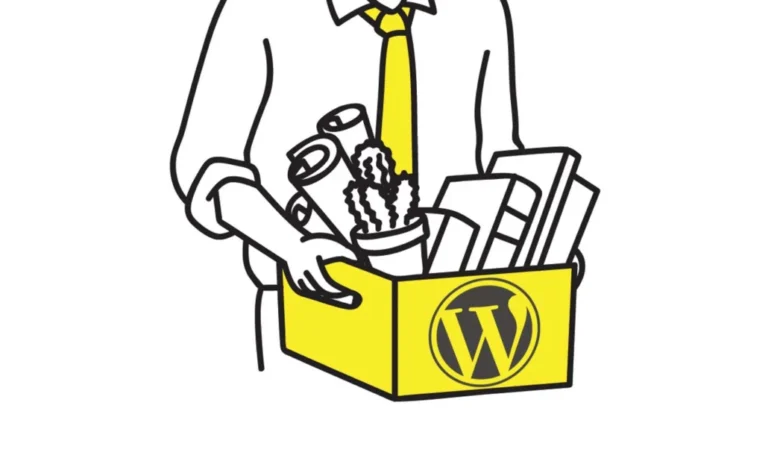
In a seismic shift for the global open-source web ecosystem, Matt Mullenweg has been removed from his position as Chief Executive Officer of Automattic and placed on a mandatory, paid leave of absence by the company’s board of directors. The sudden leadership ousting marks a dramatic turning point for the commercial entity behind WordPress, the world’s most ubiquitous content management system, which currently powers over forty percent of all websites on the internet.
According to internal communications and industry reports, Chief Financial Officer Mark Davies has been appointed to step into the leadership vacuum, assuming the role of acting CEO. The boardroom coup occurred swiftly, catching Mullenweg off guard with a mere fifty-minute advance notice ahead of the formal vote. Furthermore, requests by the co-founder to delay the proceedings to allow for independent legal review were summarily denied by the board, setting the stage for what promises to be a protracted corporate and legal battle.
The Anatomy of a Boardroom Ouster
The friction that culminated in Mullenweg’s removal came to a head during an executive leadership meeting. In an internal Slack announcement sent to high-ranking company personnel, Mullenweg voiced his shock and frustration over the sudden maneuvers orchestrated behind his scenes.
"And the biggest news: I won’t be able to make the ELT tomorrow… I received the resolution 50 minutes before the meeting start, and requested repeatedly for time to have it reviewed by independent legal counsel, even a few hours, which was denied," Mullenweg wrote in the leaked message.
Industry analysts point to CFO Mark Davies and other board members as orchestrating the swift removal to insulate the company from mounting legal and public relations liabilities. Mullenweg has openly alleged that a conspiracy among top executives led to his sidelining, signaling an internal fracture within Automattic’s leadership ranks that had been widening for months.
A Chronology of Conflict: The WP Engine Feud
To understand the catalyst behind Mullenweg’s removal, one must examine the self-described "nuclear" war he waged against managed hosting provider WP Engine. The hostilities began escalating in late 2024 when Mullenweg publicly branded WP Engine as a "cancer" to the WordPress ecosystem, criticizing the private-equity-backed company for profiting immensely from the WordPress trademark and open-source infrastructure without contributing a proportional amount of back-end resources or core development labor in return.
The public feud quickly leaped from verbal sparring to aggressive corporate retaliation. Automattic restricted WP Engine’s access to WordPress.org repositories, forcing emergency workarounds for thousands of hosted websites. WP Engine responded by filing a major federal lawsuit against Automattic and Mullenweg personally, alleging extortion, abuse of power, and unfair business practices.
As the legal proceedings intensified, discovery requests placed intense scrutiny on Mullenweg’s personal communications and digital habits. Matters worsened significantly when court filings revealed severe evidentiary complications. Jonathan Robins, Automattic’s e-discovery vendor, disclosed in legal documents that key digital evidence—specifically Mullenweg’s primary smartphone and a laptop containing critical communications regarding the WP Engine dispute—went missing amid a failed data backup and two lost devices.
Plaintiffs subsequently filed a motion for sanctions, accusing Mullenweg of spoliation of evidence—the intentional or negligent destruction, alteration, or failure to preserve evidence relevant to a legal proceeding. A federal judge hearing the case signaled a strong inclination to grant preliminary injunctions against Automattic’s aggressive market maneuvers, painting a bleak legal outlook that severely pressured Automattic’s board to take decisive action.
Collateral Damage: Ecosystem Decline and Market Share Erosion
The prolonged hostilities have not been contained within courtroom walls; they have sent shockwaves across the entire WordPress landscape. For nearly two decades, WordPress enjoyed an unchallenged supremacy in the Content Management System (CMS) market. However, recent tracking data indicates a measurable decline in overall market share.
Competitors in the CMS space, alongside alternative site-building platforms, have aggressively marketed themselves as stable alternatives, capitalizing on developer anxiety and user fatigue caused by the ongoing infighting. The fallout has directly impacted WordCamp, the flagship community conference series. Attendance numbers at official events have dropped noticeably as community members, plugin developers, and contributors express disillusionment with the direction of the project and the combative rhetoric displayed by its leadership.
Concurrently, the broader WordPress plugin and theme ecosystem is undergoing a painful, slow-motion contraction. Independent developers are grappling with shrinking paid user bases. Compounding these economic pressures is a dramatic surge in the discovery of security vulnerabilities and exploits, a trend heavily accelerated by the weaponization of automated tools and artificial intelligence by malicious actors. With the ecosystem facing unprecedented technical and financial headwinds, the absence of stable, unified leadership at Automattic has left many stakeholders deeply unsettled.
Corporate Implications and the Road Ahead
The installation of Mark Davies as acting CEO signals a pivot toward damage control, risk mitigation, and corporate stabilization. Davies, who previously focused on the financial health and operational logistics of Automattic, inherits a company entangled in complex litigation, a fractured developer community, and an agitated user base that values decentralization and open-source collaboration above corporate authoritarianism.
Legal experts suggest that placing Mullenweg on leave may be a strategic maneuver by Automattic’s board to distance the corporate entity from the personal liability and conduct allegations leveled against its founder in the WP Engine lawsuit. By demonstrating to the court that the board is willing to exercise independent oversight and discipline its executive leadership, Automattic may hope to mitigate potential sanctions and temper the severity of upcoming judicial rulings.
However, removing the foundational figure of WordPress carries profound risks. Mullenweg’s identity has been inextricably linked to the platform since its inception alongside Mike Little in 2003. Whether Davies and the board can successfully decouple the governance of Automattic from Mullenweg’s polarizing personal brand remains to be seen.
As the legal battles with WP Engine proceed through the courts and the open-source community digests the sudden changing of the guard, the future of WordPress hangs in a delicate balance. The immediate test for Automattic’s new leadership will be restoring trust with enterprise partners, reassuring the millions of small business owners who rely on the platform, and healing the deep divisions within a community that has long prided itself on collaboration, inclusivity, and open web principles.