The Great Shift: How Artificial Intelligence is Redefining the Digital Search Landscape and Consumer Behavior


The digital search landscape is undergoing a tectonic shift that is fundamentally altering how information is discovered, synthesized, and consumed. For decades, the "blue link" paradigm—a list of search results curated by traditional search engines—served as the gateway to the internet. Today, that model is being rapidly superseded by AI-powered answer engines, such as ChatGPT, Perplexity, and Google’s AI Overviews, which provide direct, synthesized responses to complex queries. This evolution marks a transition from "search" to "answer," forcing a significant recalibration for businesses, marketers, and digital strategists who rely on organic traffic for growth.
A Historical Perspective: From Indexing to Synthesis
To understand the current disruption, one must look at the evolution of search. In the early 2000s, search engines functioned as simple indices, matching keywords to web pages. Over time, these engines became increasingly sophisticated, incorporating semantic search and user intent to deliver more relevant results. However, the fundamental output remained a list of external websites.
The emergence of Large Language Models (LLMs) changed the objective. With the launch of ChatGPT in late 2022, the user experience shifted from navigating a list of links to engaging in a dialogue with a machine capable of summarizing vast amounts of data in seconds. By 2024 and 2025, major tech players integrated these capabilities into their primary search interfaces. This shift has effectively moved the "discovery layer" of the internet inside the AI model, where the engine does the heavy lifting of reading and summarizing content, often rendering the traditional click-through process redundant.
The Data Behind the Disruption

The empirical evidence supporting this transition is significant. According to recent research from Forrester, 94% of B2B buyers have integrated AI into their procurement processes. More importantly, 55% of these buyers now utilize AI tools specifically to compare vendors, while 54% use them to research products before ever initiating contact with a sales representative. This phenomenon, often termed "zero-click" research, implies that the traditional sales funnel is being compressed; by the time a lead reaches a brand’s website, the decision-making process is largely complete.
Consumer behavior data mirrors this trend. McKinsey & Company reports that approximately 50% of consumers across all demographics—including older cohorts previously thought to be less tech-adoptive—now rely on AI for purchasing decisions. Adobe Digital Insights confirmed this acceleration, noting that 56% of U.S. consumers utilized generative AI during the 2025 holiday shopping season, representing a 45% increase from the previous year. Furthermore, data from Bain & Company suggests that 60% of modern searches now terminate without a single click, signaling a major challenge for organizations reliant on traditional web traffic.
Categorizing the New AI Search Ecosystem
For industry professionals to navigate this environment, it is essential to distinguish between the three primary categories of AI search tools currently defining the market:
-
Answer Engines: These are the primary consumer-facing platforms, such as OpenAI’s ChatGPT, Google Gemini, and Perplexity. They function by synthesizing information from multiple sources to provide a single, cohesive answer. Their primary value proposition is efficiency and the removal of the need for the user to vet multiple external links.
-
AI Site Search Tools: These are internal solutions deployed on corporate websites, such as Algolia, Coveo, and Elasticsearch. Unlike public answer engines, these tools are designed to crawl and synthesize a company’s proprietary data. They are crucial for enterprise organizations, e-commerce platforms, and SaaS providers, as they ensure that potential customers find accurate information about products and services without leaving the brand’s ecosystem.

-
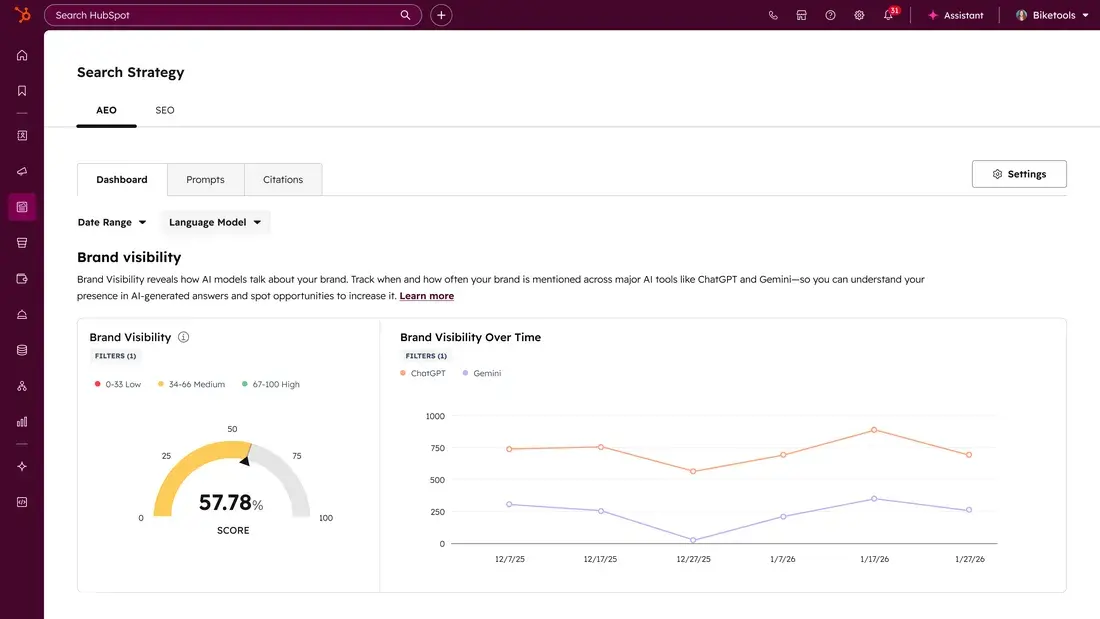
Answer Engine Optimization (AEO) Tools: As the name implies, AEO represents the next iteration of SEO. These tools allow marketers to monitor their brand’s visibility within AI-generated responses. Unlike traditional SEO, which tracks rankings based on search volume and keyword position, AEO tracks whether a brand is cited as a credible source by an AI, measuring brand authority within a black-box algorithm.
Chronology of Adoption and Strategic Implications
The rapid adoption of these tools has created a distinct timeline of market adjustment. The initial phase, characterized by curiosity and experimentation, saw marketers merely using AI to generate content. The current phase, however, is one of strategic integration. Organizations are moving toward "Answer Engine Optimization," where the goal is no longer just to "rank" on a page, but to be "mentioned" or "cited" in a direct AI response.
HubSpot’s research underscores this necessity, noting that marketers who proactively optimized for these new channels saw AI referral traffic grow by 20%, even as traditional organic traffic metrics faced declines. This suggests that while the "blue link" era may be fading, the opportunity for visibility remains—it simply requires a shift in technical and content strategy.
Professional Evaluation: How to Select the Right Tool
When evaluating which AI search tools to incorporate into a business stack, the decision should be driven by specific operational requirements rather than industry hype.
-
For Brand Visibility: Tools like HubSpot AEO are designed specifically for the marketing function. They provide actionable intelligence by analyzing how a brand appears across various AI platforms and using CRM data to predict the specific queries a company’s ideal customers are likely to perform.
-
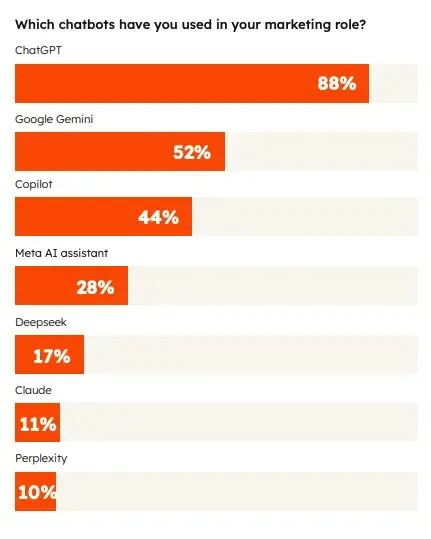
For Research and Synthesis: ChatGPT remains the dominant player for daily tasks due to its vast integration capabilities and high adoption rate among professionals.
-
For Accuracy and Citation: Perplexity has distinguished itself in the B2B sector by prioritizing real-time, sourced information. Its commitment to inline citations makes it the preferred tool for industries where fact-checking and accuracy are non-negotiable.

-
For Internal Knowledge Management: For organizations with large documentation libraries or complex product catalogs, Algolia and Coveo remain the industry standards. Their ability to integrate with existing infrastructure (such as Salesforce or SAP) allows for a seamless search experience that reduces customer support overhead.
The Impact on Marketing and Sales
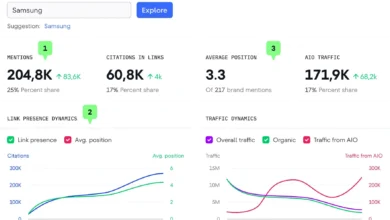
The shift toward AI-mediated research necessitates a fundamental change in how marketing teams measure success. Traditional metrics, such as "unique visitors" or "time on page," are becoming less indicative of intent. Instead, companies must focus on "brand mentions" and "citation frequency" within AI responses.

Furthermore, the rise of AI-driven research places a premium on high-quality, authoritative content. Because answer engines prioritize credible sources to minimize hallucinations, brands that produce original, well-researched, and data-backed content are more likely to be cited by AI models. This creates a "quality-first" environment where superficial content is increasingly ignored by both human users and the algorithms that serve them.
Final Analysis: Preparing for a Post-Search Future
The transition to an AI-first search environment is not merely a technical update; it is a fundamental shift in the buyer’s journey. The "search" era was defined by the user’s labor—clicking, reading, and filtering. The "answer" era is defined by the user’s convenience—receiving a synthesized, high-quality response instantly.
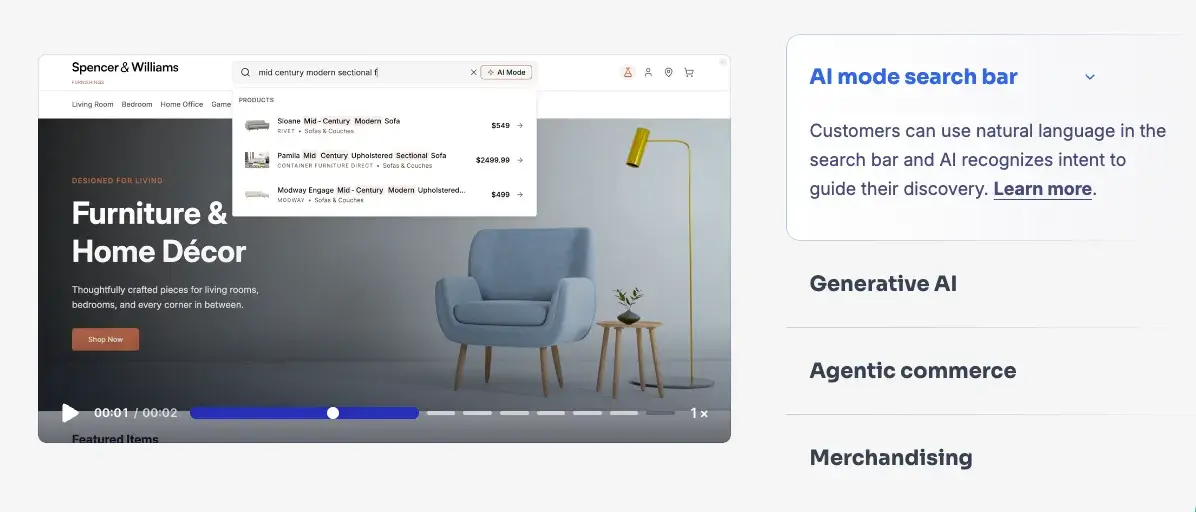
For marketers, the mandate is clear: the era of passive SEO is ending. Future success will be defined by an organization’s ability to be present at the moment of inquiry, regardless of the platform. This requires a three-pronged approach: optimizing site content to be easily indexed by AI crawlers, deploying internal AI search to improve on-site conversion, and utilizing AEO tools to monitor and influence brand presence in external answer engines.
The search for the right tools is no longer a luxury; it is an existential necessity for brands that wish to remain relevant. As the landscape continues to evolve, the winners will be those who stop fighting the shift toward AI and instead embrace the new methods of discovery, ensuring their brand remains a primary source of truth in an increasingly automated world. The technology is here, the behavior has changed, and the time for strategic adaptation is now.