Garmin Cirqa Launch Signals a Major Overhaul for the Garmin Connect Ecosystem Benefiting All Users

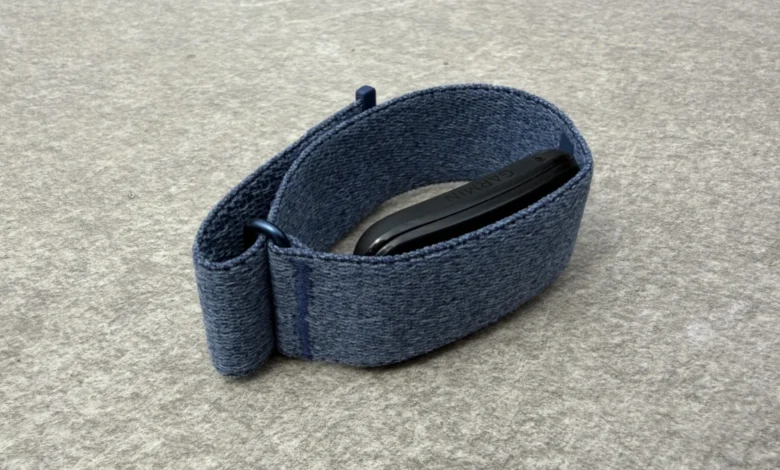
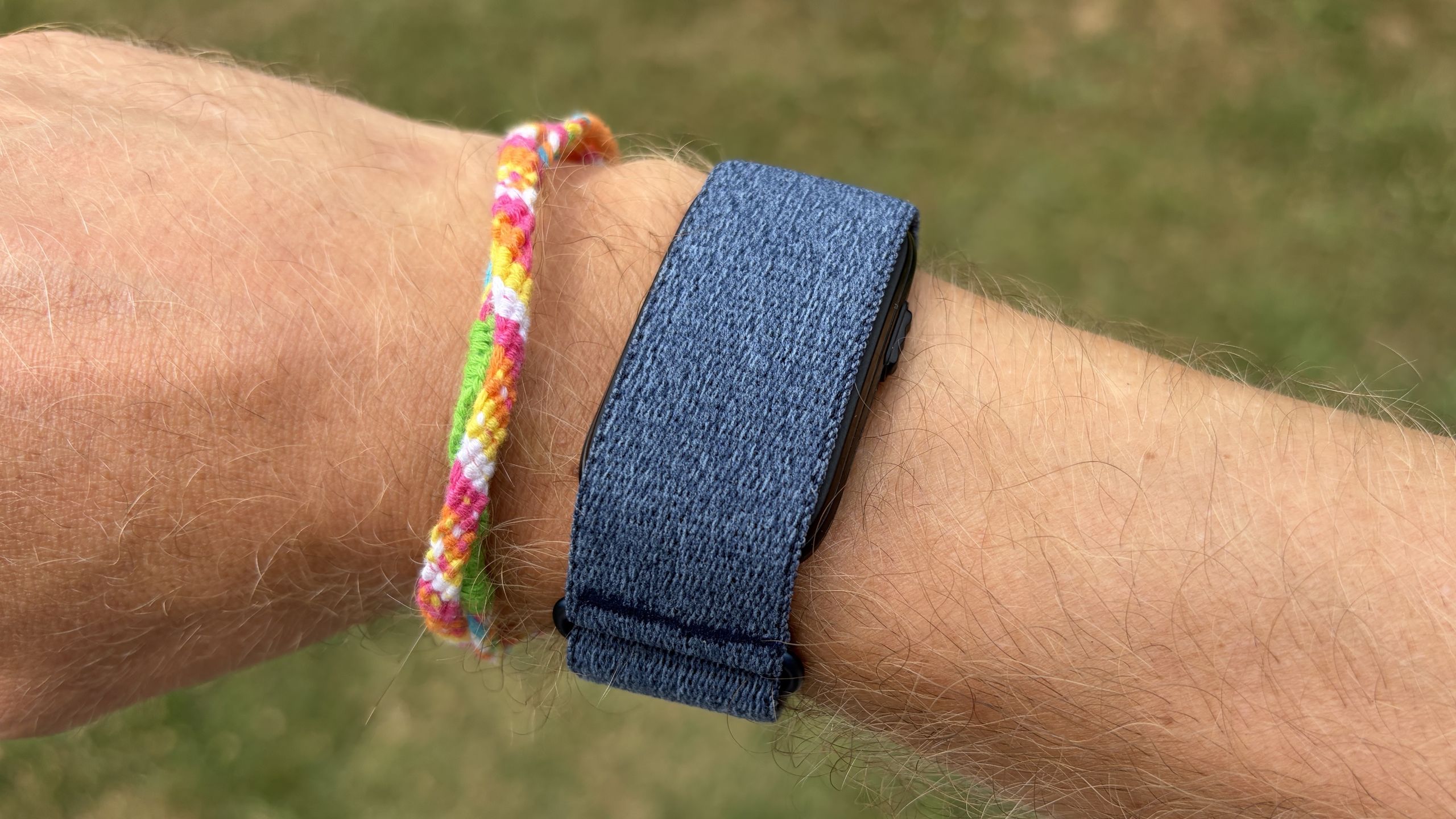
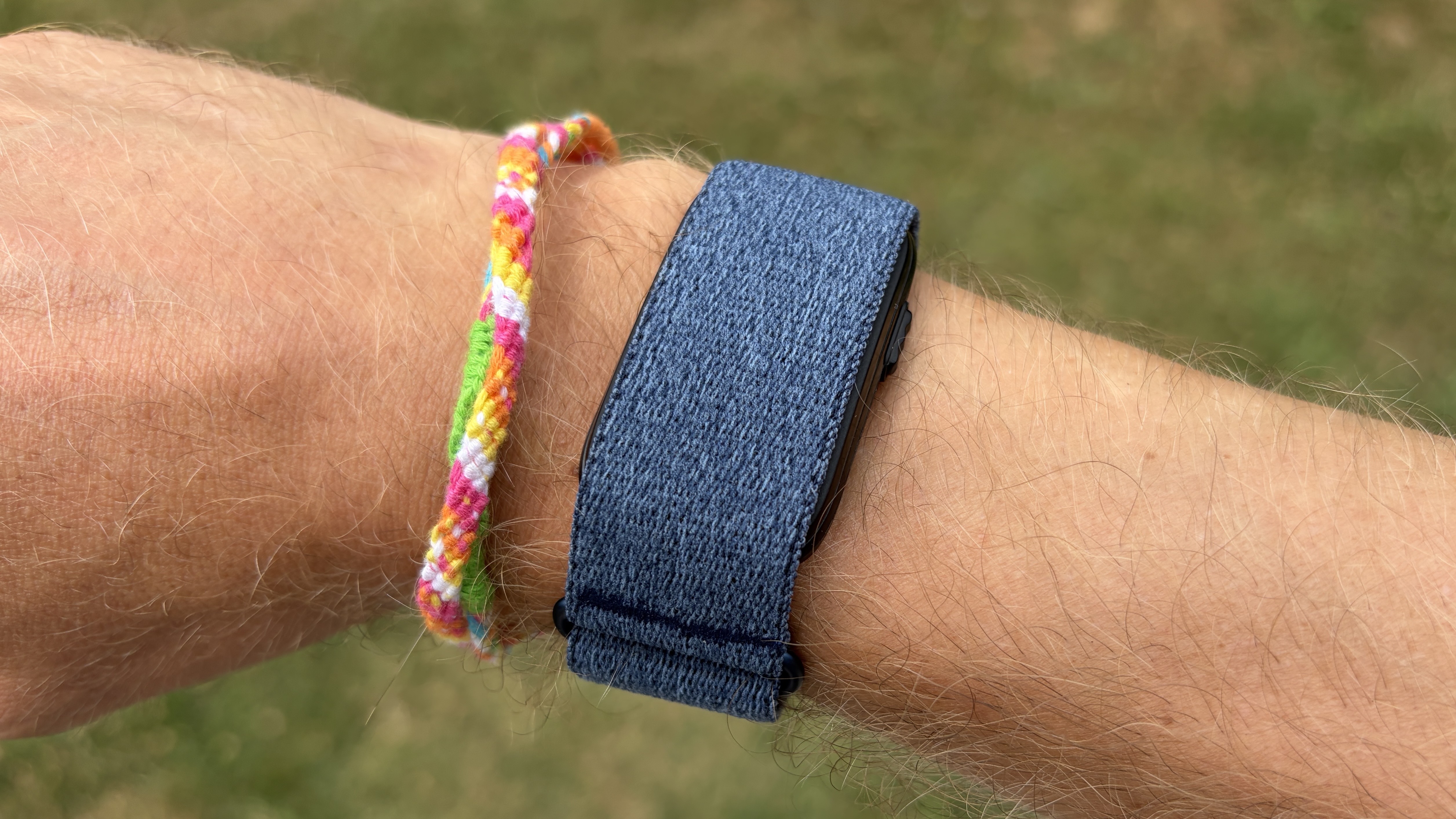
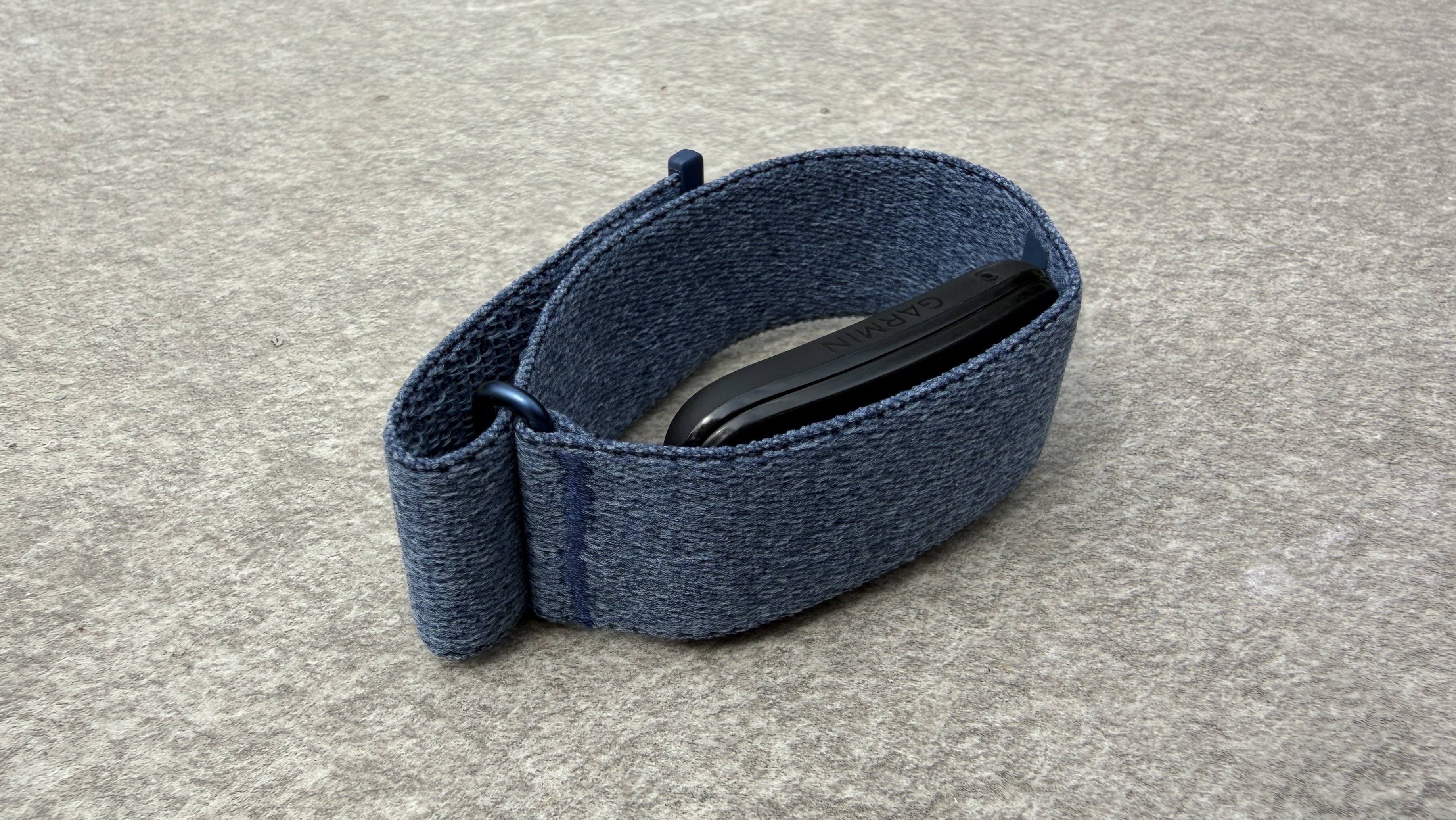
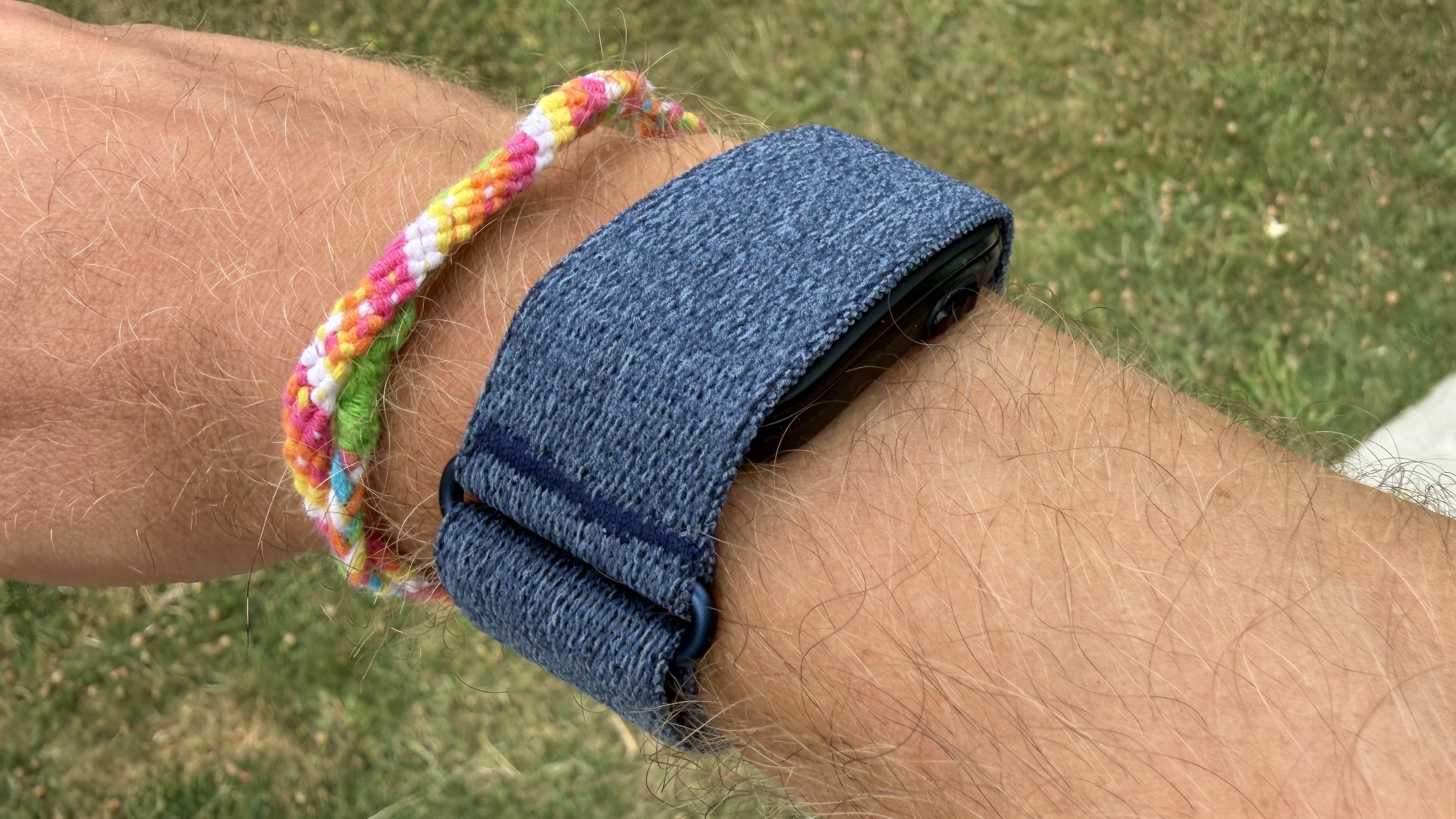
The global wearable technology market has witnessed a significant shift toward minimalist design and recovery-focused data, a trend punctuated by Garmin’s recent unveiling of the Cirqa. As the company’s first foray into the screenless fitness tracker segment, the Cirqa is designed to compete directly with established players like Whoop and the Oura Ring. However, the release of this hardware carries implications that extend far beyond the device itself. For the millions of existing Garmin users who rely on the brand’s ecosystem of Forerunner, Fenix, and Epix smartwatches, the Cirqa represents a pivotal moment for the Garmin Connect mobile application. Because a screenless device lives and dies by the quality of its companion software, Garmin has been forced to prioritize user interface (UI) and user experience (UX) improvements that have been long-requested by its dedicated athlete community.
The Rise of Screenless Wearables and the Software Imperative
The evolution of the fitness tracker has come full circle. While early devices were simple pedometers, the industry eventually moved toward high-resolution AMOLED displays and "wrist-computer" functionality. Recently, a subset of the market has pivoted back toward "invisible" technology—devices that track biometric data 24/7 without the distraction of notifications or the aesthetic of a traditional watch.
Screenless fitness trackers, such as the Whoop 5.0 and the recently launched Fitbit Air, rely entirely on the strength of their smartphone applications. Without a display to provide real-time feedback, the app becomes the primary interface for the user. Data must not only be accurate but also well-presented, actionable, and easy to navigate. Historically, this has been a challenge for legacy brands. When Polar launched the screenless Loop band years ago, it struggled to gain traction because the Polar Flow app was perceived as clunky compared to the sleek, insight-driven interface of newer startups.
Garmin, a company built on a foundation of GPS and aviation-grade hardware, has often faced similar criticisms. While Garmin devices are widely considered the gold standard for data accuracy and battery life, the Garmin Connect app has often been described as a "data dump." The sheer volume of metrics—ranging from vertical oscillation to respiration rates—has frequently overwhelmed the casual user and frustrated the power user due to deep, unintuitive menu structures.
A Chronology of Garmin’s Software Evolution
To understand why the Cirqa is a catalyst for change, one must look at the timeline of Garmin’s software development over the last decade.
- The Early Era (2014–2018): Garmin Connect served primarily as a repository for GPS maps and basic activity logs. The interface was utilitarian, designed for desktop viewing first and mobile second.
- The Integration Phase (2019–2021): With the acquisition of Firstbeat Analytics, Garmin began integrating advanced physiological insights like "Body Battery" and "Stress Tracking." The app started to become more "lifestyle-oriented," but the UI remained cluttered.
- The Modern Refresh (2022–2023): Garmin introduced a more modular home screen, allowing users to "glance" at specific cards. However, core features like the workout creator and route builder remained buried under multiple layers of settings menus.
- The Cirqa Catalyst (2024–Present): The development of the screenless Cirqa necessitated a shift in philosophy. Garmin recognized that a screenless user would not tolerate digging through five menus to find their sleep score. This led to the most significant UI update in the app’s history: the "Essentials" section.
The "Essentials" Update: A New Paradigm for Data Visualization
The most immediate benefit of the Cirqa launch for the broader Garmin community is the introduction of the "Essentials" section at the top of the Garmin Connect home screen. This feature is a direct response to the UI paradigms established by competitors like Whoop and Oura, who prioritize a "readiness" score above all else.
The Essentials section displays four critical metrics at a glance:
- Sleep Score: A 0–100 rating based on duration, stages, and restlessness.
- Training Readiness: A dynamic metric that tells the user how prepared their body is for a high-intensity workout.
- HRV Status (Heart Rate Variability): A key indicator of autonomic nervous system health and recovery.
- Body Battery: Garmin’s proprietary energy-monitoring metric.
By color-coding these stats and placing them front and center, Garmin has moved away from the "list of activities" view toward a "holistic health" view. For a marathon runner using a Forerunner 970, this means they no longer have to scroll past their step count and floor climbs to see if they are recovered enough for a tempo run. The data is now presented with the same urgency and clarity required for a screenless device user.
Supporting Data: Why the Move to Screenless Matters
Market analysis suggests that the wearable industry is bifurcating into two categories: "Smartwatches" (Apple Watch, Garmin Venu) and "Bio-Sensors" (Whoop, Cirqa). According to industry reports, the "recovery and sleep tracking" segment is expected to grow at a CAGR of over 12% through 2030.
Garmin’s decision to enter the screenless market is a strategic move to capture the "passive tracker" demographic—users who may already wear a luxury mechanical watch on one wrist or who find traditional smartwatches too bulky for sleep. However, the technical challenge is significant. A screenless band must have a battery life that exceeds a week to justify the lack of a display, and it must sync seamlessly.
Data from user feedback surveys across major fitness forums indicates that "App Navigation" is the number one pain point for Garmin users. By addressing this for the Cirqa, Garmin is effectively performing "preventative maintenance" on its entire user base. If the app becomes easier to use for a screenless band owner, it becomes exponentially more powerful for a power user who is tracking complex triathlon transitions or mountain biking dynamics.
Comparative Analysis: Cirqa vs. Whoop vs. Oura
The Cirqa enters a crowded field, and its success will depend on how Garmin leverages its lack of a subscription model—a major differentiator.
- Whoop: Requires a monthly subscription (roughly $30/month) to access any data. The hardware is essentially "free," but the lifetime cost is high.
- Oura Ring: Requires a hardware purchase ($299+) plus a monthly subscription ($5.99) for full insights.
- Garmin Cirqa: Follows the traditional Garmin model—a one-time hardware purchase with no recurring fees for data access.
By offering a screenless experience without a "paywall" for the user’s own physiological data, Garmin is positioning the Cirqa as the pragmatic choice. However, to win over Whoop loyalists, the Garmin Connect app must match the "journaling" and "coaching" features that Whoop has perfected. This pressure is expected to drive further updates, including AI-driven coaching insights and more personalized recovery suggestions within the app.
Broader Implications for the Garmin Community
The launch of the Cirqa is a "rising tide lifts all boats" scenario for Garmin enthusiasts. The improvements to the app’s navigation and data visualization are not restricted to Cirqa owners; they are being rolled out via software updates to all users.
For years, features like the "Workout Creator"—a tool that allows runners to program complex intervals—and the "Route Builder"—which uses heatmaps to find the best cycling paths—have been hidden in the "More" tab. Journalistic analysis of the current app trajectory suggests that Garmin is working toward a more "context-aware" UI. This would mean that if a user has a race on their Garmin Calendar, the app would automatically surface "Workout" and "Taper" tools to the home screen.
Furthermore, the focus on screenless technology necessitates better background syncing and Bluetooth stability. Users of Garmin’s flagship watches will likely see faster data transfer speeds and more reliable connections as the engineering team optimizes the app for a device that has no other way to communicate with the user.
Official Positioning and Future Outlook
While Garmin has not officially labeled the Cirqa as a "software-first" project, the company’s recent marketing materials emphasize "Connect" as much as the hardware. In statements regarding the app’s redesign, Garmin executives have noted that the goal is to provide "a simplified, more personalized home page experience that focuses on the data that helps users reach their goals."
As the wearable market continues to mature, the hardware will eventually become a commodity. High-quality heart rate sensors and GPS chips are now available to many manufacturers. The true battlefield is the software. By launching the Cirqa, Garmin has signaled that it is no longer content with being just a hardware company. It is evolving into a data-science company that happens to make world-class hardware.
In conclusion, while the Garmin Cirqa may be a niche product for those who prefer a minimalist aesthetic, its impact on the Garmin ecosystem is universal. It has forced a legacy giant to look in the mirror and address its software weaknesses. For the runner, the cyclist, the hiker, and the weekend warrior, the result is a Garmin Connect app that is finally as sophisticated as the watches they wear on their wrists. The era of digging through menus is ending; the era of instant, actionable insight is beginning.
Related posts: