Qobuz Enhances High-Resolution Streaming Platform with Major Interface Overhaul and New Interactive Features

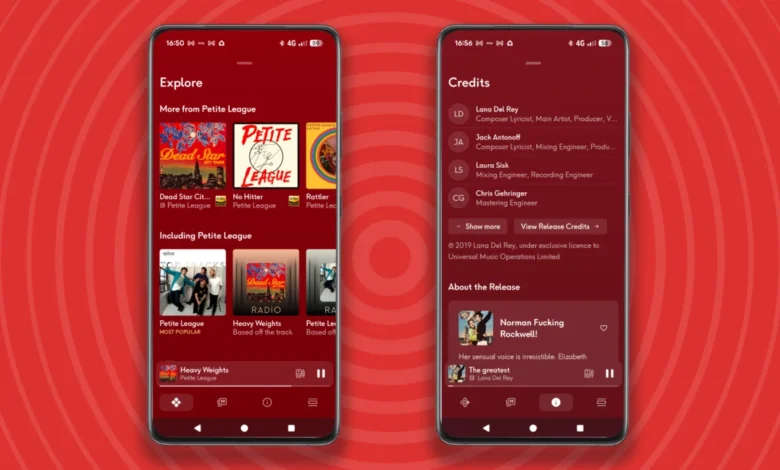
Qobuz, the French pioneer in high-resolution music streaming and downloading, has officially released a comprehensive update to its mobile and tablet applications, aiming to bridge the gap between its industry-leading audio quality and its user interface. The update, which is now live for both iOS and Android users, introduces several long-awaited features, including integrated lyrics, a redesigned playback interface, and an "Explore" section designed to deepen the connection between listeners and the artists they follow. While the platform has historically been lauded by audiophiles for its commitment to uncompressed FLAC files and high-bitrate streams, it has faced criticism for a functional yet Spartan user experience. This latest iteration represents a strategic pivot toward a more holistic consumer experience, combining technical excellence with the modern conveniences popularized by mainstream competitors such as Spotify and Apple Music.
A Modern Aesthetic for High-Fidelity Listening
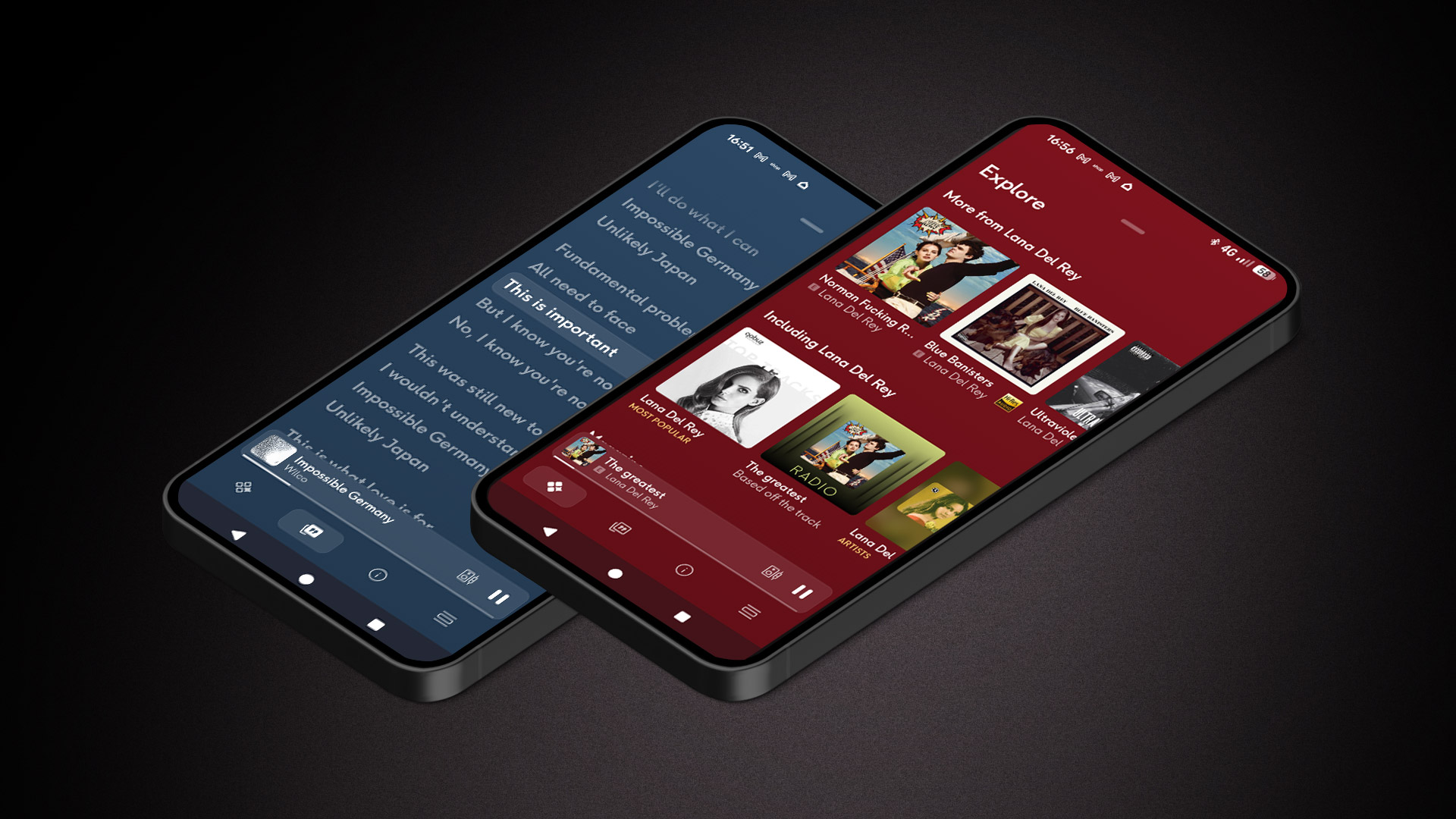
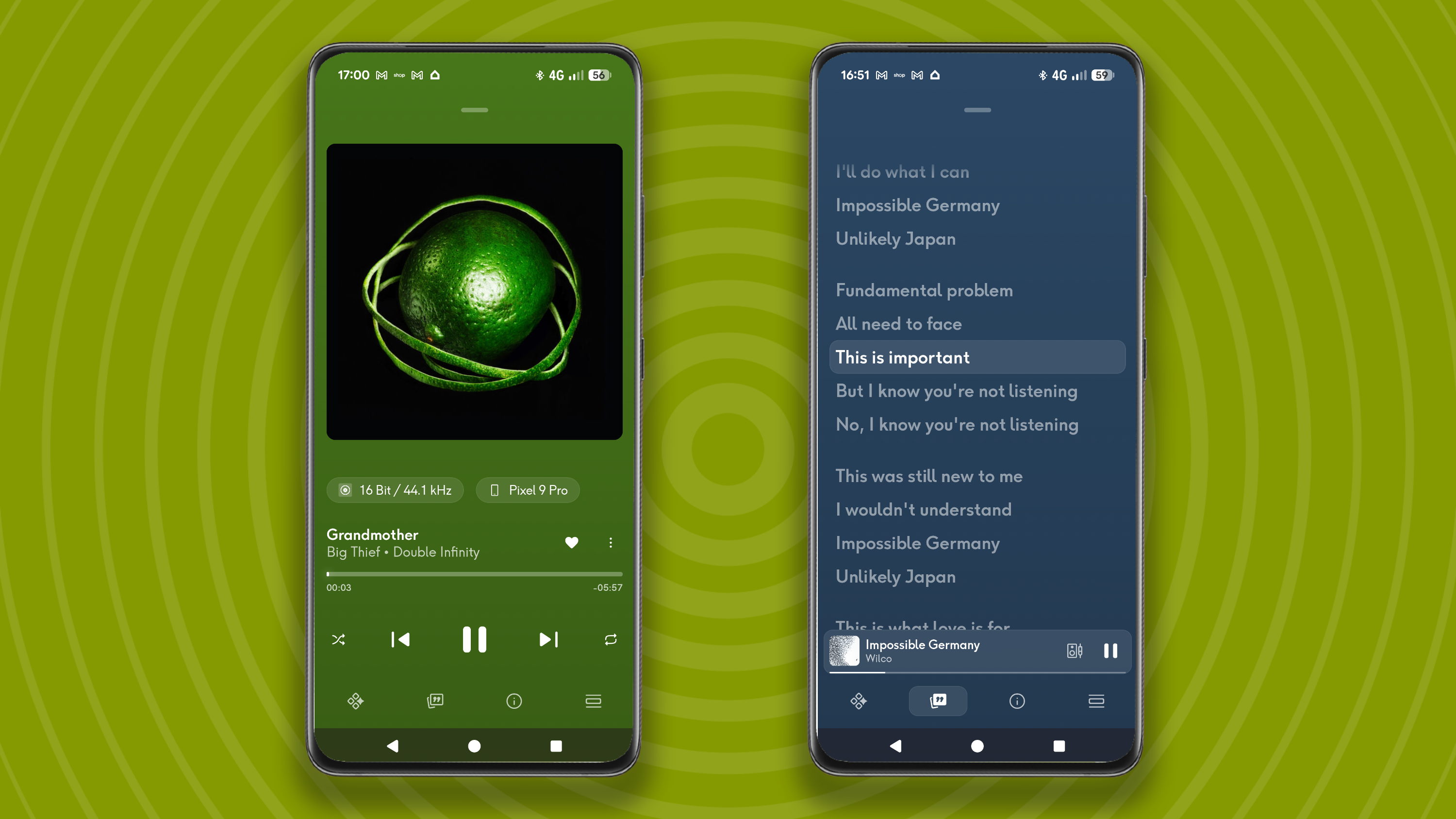
The centerpiece of the update is a redesigned music player that prioritizes visual immersion. For the first time, the player’s background dynamically shifts its color palette to harmonize with the album artwork of the currently playing track. This "adaptive UI" is more than a cosmetic enhancement; it is designed to create a cohesive atmosphere that reflects the emotional tone of the music. Industry analysts note that such features are essential in the modern streaming landscape, where "mood-based" consumption often dictates user engagement.
Beyond the aesthetic changes, the player has been optimized for better accessibility during navigation. The playback bar now remains consistently visible as users browse through the catalog, reducing the number of taps required to return to the main player screen. Furthermore, the update introduces a dedicated split-screen mode for tablet users. This allows for simultaneous navigation of the library and management of the current playback, catering to the "power user" demographic that often utilizes tablets as dedicated controllers for high-end home audio systems.
Closing the Feature Gap: Lyrics and Translation
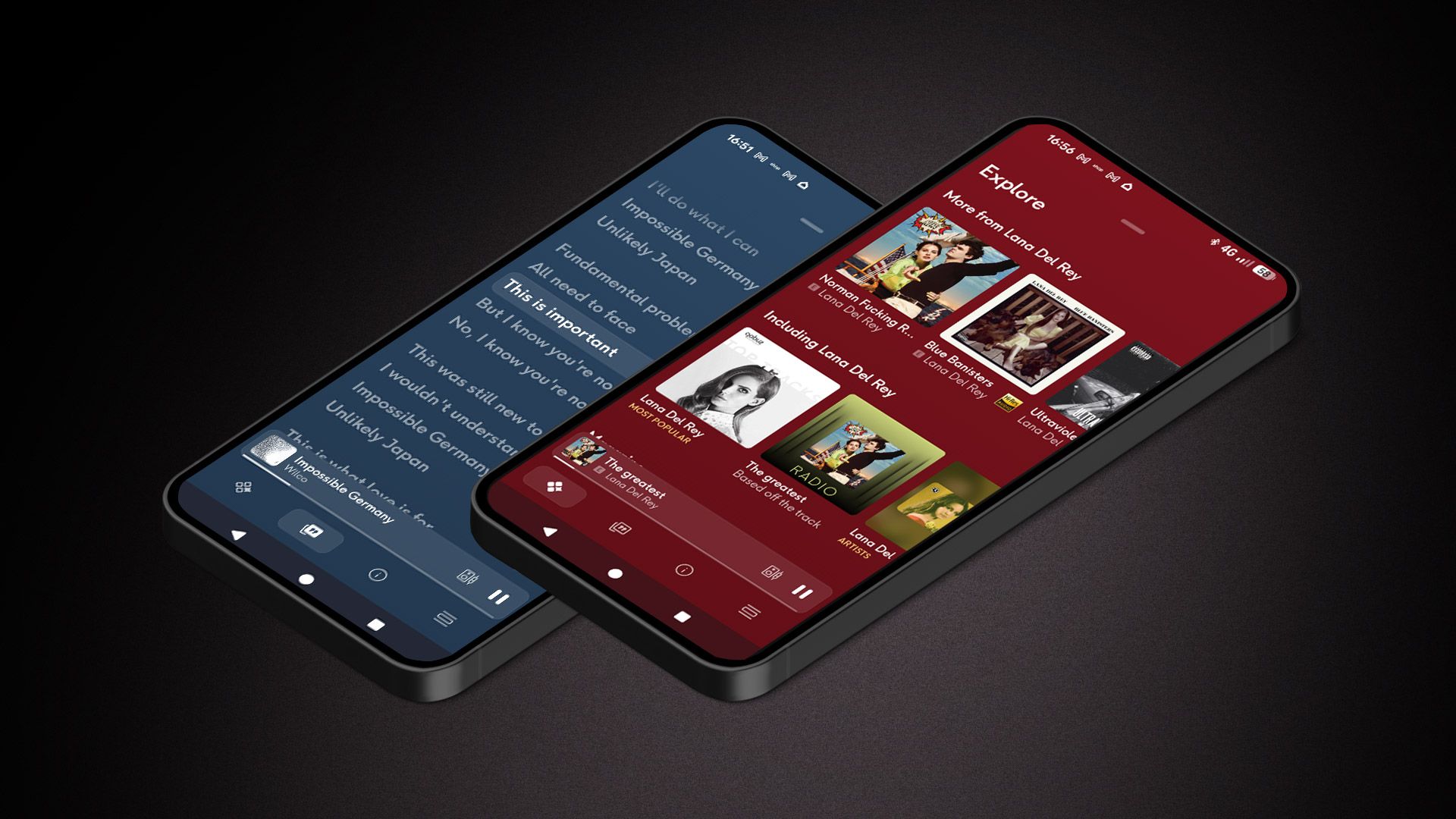
Perhaps the most significant addition for the general user is the integration of synchronized lyrics. Despite being a staple on other platforms for years, lyrics were previously a notable omission from the Qobuz ecosystem. The new feature allows users to follow along with tracks in real-time, with the current line highlighted as it is sung.
In a move that aligns with Qobuz’s sophisticated brand identity, the service has also introduced a one-touch translation feature for foreign-language lyrics. This tool is particularly relevant given Qobuz’s diverse international catalog, which includes a heavy emphasis on European classical, jazz, and world music. While the availability of lyrics currently depends on the metadata provided by labels and third-party partners, the company has indicated that it is working to expand this database to cover its more obscure and independent releases.
Editorial Excellence and the New Explore Section
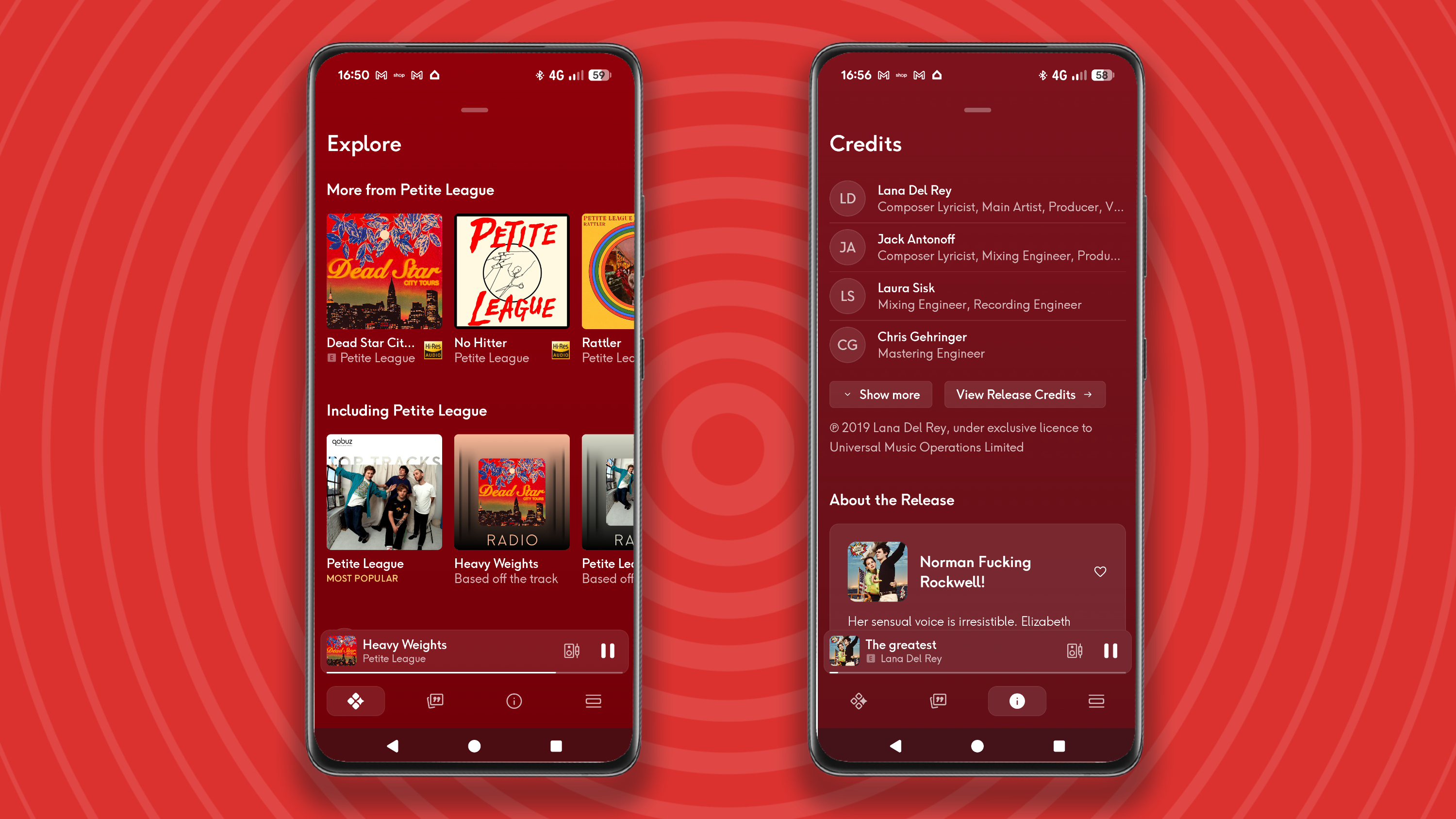
Unlike competitors that rely heavily on black-box algorithms to dictate listener choices, Qobuz has built its reputation on human-led curation and editorial content. The new "Explore" section is a manifestation of this philosophy. By clicking the Explore icon during playback, users are presented with a contextual ecosystem of related content. This includes:
- Artist Discographies: A complete list of available albums and EPs by the performer.
- Curated Playlists: Selection of playlists that feature the artist, curated by the Qobuz editorial team.
- Digital Magazine Integration: Direct links to long-form articles, interviews, and reviews from the Qobuz Magazine.
- Label Insights: Information on the record label, allowing users to discover other artists signed to the same stable.
- Genre Context: Links to "Genre Classics" and similar releases, providing a historical framework for the music being heard.
This approach seeks to replicate the experience of reading "liner notes" on a physical vinyl or CD sleeve, a practice that has largely been lost in the transition to digital streaming. By emphasizing the "Info" icon, which now includes expanded artist and label biographies along with technical data regarding audio bitrates and sample rates, Qobuz is doubling down on its appeal to the "serious" music fan.
Operational Refinements: Queue Management
User feedback regarding queue management has also been addressed in this update. The previous iteration of the Qobuz queue was often cited as counter-intuitive compared to the "swipe-to-queue" mechanics found in other apps. The updated interface simplifies the process of reordering tracks through drag-and-drop functionality and allows for the quick removal of songs via a simple swipe. These quality-of-life improvements are intended to make the app feel "slicker" and more responsive, reducing the friction that previously might have discouraged users from switching from more established platforms.
Chronology of Qobuz and the High-Res Evolution
To understand the importance of this update, it is necessary to look at the timeline of Qobuz’s development within the broader context of the digital music revolution:
- 2007: Qobuz is founded in Paris, France, with a focus on high-quality audio and a digital store for purchasing lossless files.
- 2013: The service expands its streaming capabilities to several European markets, positioning itself as the "premium" alternative to the low-bitrate MP3 streams of the era.
- 2019: Qobuz officially launches in the United States, challenging Tidal in the high-fidelity space.
- 2021: The industry reaches a tipping point as Apple Music and Amazon Music begin offering "Lossless" and "Hi-Res" tiers at no extra cost, forcing boutique services like Qobuz to differentiate through curation and UI.
- 2024-2025: Qobuz initiates a series of "UX-first" updates to modernize its mobile presence, culminating in the current release.
Market Context and Supporting Data
The high-resolution audio market is no longer a niche segment. According to industry reports from Grand View Research, the global high-resolution audio market size was valued at approximately $14.5 billion in 2023 and is expected to grow at a compound annual growth rate (CAGR) of over 15% through 2030. This growth is driven by the increasing availability of affordable high-fidelity hardware, such as USB DACs (Digital-to-Analog Converters) and high-quality wired headphones.
Data suggests that while audio quality remains the primary driver for Qobuz subscribers, "app stability" and "ease of discovery" are the two most cited reasons for user churn in the streaming industry. By addressing these UX concerns, Qobuz is attempting to lower the barrier to entry for mainstream listeners who are curious about high-res audio but are unwilling to sacrifice the features they have grown accustomed to on Spotify.
Technical Analysis: The Audiophile Standard
Despite the focus on UI, the technical backbone of Qobuz remains its primary selling point. The service offers music in FLAC (Free Lossless Audio Codec) format, with quality ranging from CD-standard (16-bit / 44.1kHz) up to studio-quality (24-bit / 192kHz). Unlike MQA (Master Quality Authenticated) technology, which has faced controversy regarding its "lossy" nature and licensing fees, Qobuz’s reliance on standard high-res FLAC is viewed by many purists as the most "honest" way to deliver audio.
The latest update ensures that these technical details remain front and center. The expanded "Info" section provides transparency regarding the provenance of the file, often indicating if a track is a "Qobuz Exclusive" or a specific remastered version. This level of detail is rare in the streaming world and serves to justify the platform’s subscription price to its core audience.
Broader Impact and Industry Implications
The move by Qobuz to modernize its interface suggests that the "streaming wars" have moved into a new phase. Initial competition was based on catalog size; subsequently, it moved to audio quality. Now, the battleground is the "Total User Experience." For a specialized player like Qobuz, the challenge is to maintain its "boutique" feel—characterized by expert human curation—while providing a software experience that rivals the multi-billion-dollar R&D departments of Big Tech.
Industry experts suggest that Qobuz’s focus on the "magazine" and "label" aspects of music could influence how other platforms handle metadata. If Qobuz can successfully integrate deep-dive editorial content with a seamless UI, it may force larger competitors to reconsider their reliance on purely algorithmic discovery, which many critics argue leads to a "homogenization" of musical taste.
Future Challenges and Unresolved Frustrations
While the update has been met with generally positive reactions, some challenges remain. The desktop application has yet to receive all the features now available on mobile, creating a slight disconnect for users who switch between devices. Additionally, some long-time subscribers have pointed to the 2,000-track limit on playlists as a lingering issue that hampers the migration of large libraries from other services.
Furthermore, as Spotify continues to tease its own "Supremium" or "HiFi" tier, Qobuz will need to continue innovating. The addition of lyrics and a prettier player are essential steps, but the platform’s long-term survival will likely depend on its ability to remain the "connoisseur’s choice" while becoming accessible enough for the "aspirational audiophile."
Conclusion
The latest update to the Qobuz app is a significant milestone for the French streaming service. By integrating lyrics, enhancing discovery through the Explore section, and refining the visual language of its player, Qobuz has effectively addressed the most common criticisms leveled against it. It remains the premier destination for those seeking 24-bit / 192kHz audio, but it is now, perhaps for the first time, a service that can compete on the merits of its software as much as its sound. For the music lover who refuses to compromise on quality, the gap between "sounding good" and "feeling good" has never been narrower.