Meta Accelerates AI Powering With Nearly 1 Gigawatt of New Solar Procurement

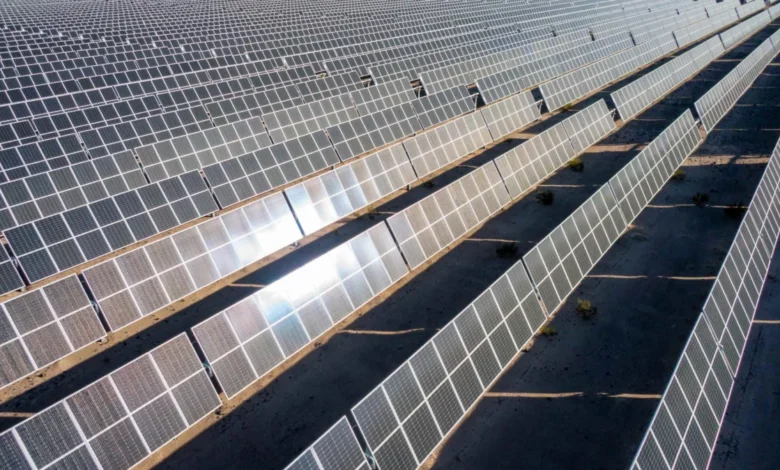
Meta Platforms Inc. has significantly bolstered its renewable energy portfolio this week by securing three new agreements to procure nearly 1 gigawatt (GW) of solar power. This strategic move underscores the company’s urgent need to fuel its rapidly expanding artificial intelligence (AI) infrastructure, a sector experiencing exponential growth and demanding substantial energy resources. The latest deals push Meta’s total solar power acquisitions for the year to over 3 GW, signaling a robust commitment to scaling its operations with clean energy.
Solar power has emerged as a preferred energy source for major technology firms due to its cost-effectiveness and relatively rapid deployment timelines. As the demand for data center capacity continues to surge, driven largely by the insatiable appetite of AI workloads, companies like Meta are increasingly relying on solar energy to meet these burgeoning power requirements. This trend is reshaping the energy landscape for the tech industry, pushing for greater investment in renewable infrastructure.
The recent procurement by Meta was announced in stages, highlighting the dynamic nature of these energy deals. On Tuesday, the social media giant revealed two separate agreements in Louisiana, committing to the purchase of the environmental attributes associated with a combined 385 megawatts (MW) of electricity from solar projects. These projects are anticipated to commence commercial operations in approximately two years, in 2027, aligning with the projected timelines for the expansion of Meta’s data center needs.
These Louisiana agreements followed closely on the heels of a more substantial deal unveiled earlier in the week, on Monday. In this transaction, Meta committed to acquiring 600 MW from a large-scale solar farm situated near Lubbock, Texas. This massive solar project is also slated to begin its commercial operations in 2027. The timing of these procurements suggests a coordinated effort by Meta to secure significant renewable energy capacity in anticipation of future growth, particularly in the AI domain.
Strategic Powering for AI Expansion
Meta’s aggressive pursuit of solar power is directly linked to its ambitious AI development roadmap. AI models, especially large language models and complex machine learning algorithms, require immense computational power, which translates into significant electricity consumption by data centers. According to industry estimates, the energy demand for AI training and inference is projected to skyrocket in the coming years. For instance, some analyses suggest that global AI energy consumption could rival that of entire countries within the next decade. This burgeoning demand necessitates a proactive approach to energy sourcing, with renewable energy being a key component of sustainable growth strategies.
The company’s strategy involves leveraging solar power not only to offset its direct energy consumption but also to contribute to the broader decarbonization efforts within the regions where its data centers operate. While the solar farm in Texas will not be directly connected to Meta’s data centers, its output will feed into the local electricity grid, thereby offsetting the energy drawn by Meta’s facilities from other, potentially less clean, sources. This approach, known as indirect procurement, allows companies to support renewable energy generation without requiring dedicated infrastructure to their specific sites.
The Role and Scrutiny of Environmental Attribute Certificates
The Louisiana agreements, in particular, highlight Meta’s reliance on Environmental Attribute Certificates (EACs), also commonly referred to as Renewable Energy Certificates (RECs). These certificates represent the environmental benefits, such as the reduction of greenhouse gas emissions, associated with the generation of renewable electricity. By purchasing EACs, Meta can effectively claim to offset its carbon-intensive energy usage, even if the renewable electricity itself is not directly consumed at its facilities.
While EACs have historically played a crucial role in incentivizing the development of renewable energy projects, their efficacy and transparency have come under increasing scrutiny. Experts have voiced concerns that the current accounting mechanisms surrounding EACs can sometimes obscure the true carbon footprint of large corporations, particularly as their electricity consumption, driven by AI, continues to escalate. Some critics argue that the system, established when renewables were significantly more expensive than fossil fuels, may no longer provide the same level of incentive for developers to build new renewable capacity.
Historically, EACs were introduced to bridge the cost gap between renewable energy and traditional fossil fuel generation. They allowed companies to purchase electricity from any source and then pay an additional premium for EACs to claim renewable energy usage and offset their emissions. This mechanism was instrumental in encouraging early investment in solar and wind power. However, the dramatic decrease in the cost of solar and wind energy over the past decade, with renewables now often undercutting the cost of new fossil fuel power plants and even existing coal and natural gas facilities, has shifted the landscape.
The prevailing argument among some energy experts is that if companies like Meta are serious about offsetting the substantial new energy demands driven by AI, they should focus on incentivizing the construction of new renewable energy capacity. This would involve more direct Power Purchase Agreements (PPAs) or investments in projects that demonstrably add to the overall supply of clean energy, rather than relying solely on the purchase of certificates that may represent energy already generated or projects that might have been built regardless.
Broader Implications for the Tech Industry and Energy Markets
Meta’s substantial solar procurement signals a broader trend within the technology sector. As the demand for AI intensifies, so too will the need for reliable, clean, and scalable energy sources. Tech giants are increasingly becoming major players in the renewable energy market, not just as consumers but as significant investors and influencers. This growing influence can accelerate the transition to clean energy, but it also brings challenges related to market design, transparency, and ensuring that growth is truly sustainable.
The sheer scale of Meta’s solar acquisitions highlights the significant energy requirements of AI. The nearly 1 GW of new solar capacity added this week, combined with over 3 GW secured earlier in the year, represents a substantial commitment. To put this into perspective, 1 GW of solar power can generate enough electricity to power hundreds of thousands of homes annually. For a company like Meta, this capacity is crucial for powering its vast network of data centers, which are the backbone of its AI operations, social media platforms, and virtual reality initiatives.
The timeline of these deals, with projects expected to come online in 2027, indicates a forward-looking strategy. Meta is not just addressing its current energy needs but is anticipating future growth and planning its energy infrastructure accordingly. This foresight is essential in an industry characterized by rapid technological advancements and evolving consumer demands.
The Challenge of Transparency and Impact
The reliance on EACs, as seen in the Louisiana deals, brings to the forefront the ongoing debate about the most effective ways for corporations to achieve their sustainability goals. While EACs offer a flexible mechanism for carbon offsetting, their impact on driving additional renewable energy deployment is a subject of debate. Critics argue that a more direct engagement with renewable energy projects, through long-term PPAs or direct investments, provides a clearer signal to the market and ensures that corporate demand directly translates into new clean energy capacity.
This debate is particularly relevant in the context of AI, where the projected increase in energy consumption is so substantial. The energy intensity of AI models is a growing concern for environmentalists and policymakers alike. As AI becomes more integrated into various aspects of life and business, ensuring that its expansion is powered by clean and sustainable energy sources is paramount.
The future of corporate renewable energy procurement may involve a more nuanced approach, combining direct investments in new projects with the strategic use of EACs. The key will be to ensure that all procurement strategies genuinely contribute to the additionality of renewable energy generation and provide a clear and verifiable accounting of a company’s environmental impact.
Background and Context
The push for renewable energy by tech companies is not new. For years, major players like Google, Microsoft, and Amazon have been investing heavily in solar and wind power to meet the energy demands of their data centers. This trend gained momentum in the early 2010s as companies began to recognize the environmental and economic benefits of renewable energy. The increasing affordability of solar and wind power has further accelerated this adoption.
However, the current AI boom has introduced a new level of urgency. The computational demands of AI training, in particular, are significantly higher than those of traditional computing. This has led to a projected surge in electricity consumption by data centers globally. According to the International Energy Agency (IEA), data center electricity demand could more than double by 2026, driven by AI and cryptocurrency mining. This projection underscores the critical need for massive investments in clean energy infrastructure to support this growth sustainably.
Meta’s specific focus on solar power is likely driven by its versatility and widespread availability. Solar projects can be developed in various locations, offering flexibility in sourcing energy. Furthermore, the declining costs of solar technology have made it an increasingly attractive investment.
Looking Ahead
Meta’s recent procurement deals represent a significant step in its ongoing effort to align its aggressive growth in AI with its sustainability commitments. The company has publicly stated its goal to operate on 100% renewable energy, and these acquisitions are crucial in achieving that objective. As the AI revolution continues to unfold, the energy needs of the tech industry will only grow, making the strategic sourcing of clean energy a critical factor in the long-term viability and environmental responsibility of these companies.
The challenge for Meta, and the tech industry at large, will be to navigate the complexities of energy markets, ensure transparency in their environmental claims, and demonstrably contribute to the acceleration of the global clean energy transition. The dialogue surrounding EACs and direct investment in new renewable capacity will likely intensify as the demand for AI-powered electricity continues its upward trajectory. Ultimately, the success of these efforts will be measured not only by the amount of renewable energy procured but by the tangible impact on reducing carbon emissions and fostering a truly sustainable digital future.
Related posts: