Gap Inc. Lowers Full-Year Outlook as Warm Weather Dampens Performance Amid Brand-Specific Volatility

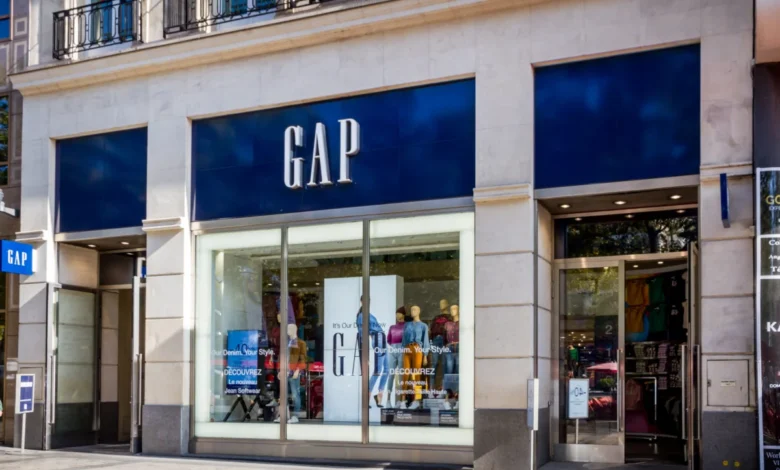
Gap Inc. reported a complex fiscal third quarter for 2026, characterized by the continued resurgence of its flagship brand alongside significant headwinds for its activewear and lifestyle divisions. While the company achieved a 2% year-over-year increase in net sales to $4.01 billion, the retail giant found itself forced to lower its full-year financial guidance. This revision was largely prompted by unseasonably warm weather patterns that suppressed demand for essential fall apparel during the critical months of September and October. Despite these macroeconomic and meteorological challenges, the company’s focus on digital transformation and strategic leadership shifts remains the cornerstone of its long-term turnaround efforts.
Chronology and Financial Performance
The fiscal third quarter, which concluded on October 31, 2026, provided a clear snapshot of the disparity across Gap Inc.’s four primary pillars: Gap, Old Navy, Banana Republic, and Athleta. Net income for the quarter reached $311 million, a notable improvement from the $236 million reported during the same period in the previous year. Adjusted earnings per share rose 32% to $0.82, signaling effective cost management and margin expansion despite stagnant sales in certain segments.
The performance breakdown highlights the divergent paths of these brands:
- Gap (Namesake): Continued its upward trajectory with an 11% surge in net sales to $1.06 billion. Comparable sales increased by 9%, marking the 12th consecutive quarter of growth. The brand’s success has been anchored in strong performances in its core denim and fleece categories.
- Old Navy: The company’s largest revenue generator stabilized, with net sales reaching $2.27 billion. Comparable sales remained flat, a recovery from the 4% decline observed in the second quarter.
- Banana Republic: Experienced a 3% decline in both net sales and comparable sales, hampered by a misaligned seasonal assortment that proved too heavy for an unusually mild autumn.
- Athleta: The most significant laggard, recording a 14% drop in net sales to $220 million and a 15% decline in comparable sales, prompting an urgent business review.
Digital Strategy and AI Integration
Gap Inc. continues to maintain its status as a dominant force in the U.S. specialty apparel ecommerce space, with digital sales rising 3% during the quarter. Ecommerce now represents 40% of the company’s total quarterly revenue, a metric that has remained consistent year over year. The company’s digital properties generated approximately 1.6 billion visits over the last 12 months, reflecting the massive scale of its online operations.
CEO Richard Dickson has emphasized the integration of "agentic commerce" and advanced AI tools to sustain this digital lead. In October 2026, the company introduced conversational product-discovery tools for Old Navy and Banana Republic. Furthermore, the partnership with the styling app Alta Daily represents a shift toward algorithmic personalization, where Gap’s inventory is seamlessly woven into AI-generated outfit recommendations. This digital-first approach is complemented by high-impact influencer marketing, such as the back-to-school campaign with MrBeast, which secured 1.4 billion impressions and a 20% increase in traffic to the online children’s assortment.
Leadership Transitions and Strategic Realignment
A pivotal moment in the company’s third-quarter narrative was the announcement of Ashley Kechter as the new president and CEO of Athleta, effective December 14. Kechter, formerly the global president of Vuori, brings a wealth of experience, including previous tenures at various Gap Inc. brands. Her appointment arrives at a critical juncture; the company is currently conducting a comprehensive audit of the Athleta business to address the rise of aggressive market entrants that are forcing higher standards for innovation and speed.
In a similar vein, the leadership at Old Navy saw a transition in November, with Michael Francis stepping into the role of president and CEO. Francis, who previously served as the brand’s chief customer officer, has been credited by the executive team for his role in stabilizing Old Navy’s marketing and merchandising strategies, which were instrumental in the brand’s Q3 recovery.
The Impact of Macroeconomic Factors
The company’s decision to lower its full-year revenue outlook—from a previously projected growth of 1% to 1.5% to essentially flat—reflects a cautious outlook on consumer spending during the transition into the holiday quarter. However, there are significant mitigating factors. The U.S. government’s adjustment to tariff rates is expected to provide a $46 million tailwind to the company’s operating profit for the year.
Furthermore, the company has managed its inventory levels with discipline, ending the third quarter with $2.3 billion in inventory, a 6% reduction compared to the previous year. This lean inventory posture is expected to reduce the need for deep discounting as the company enters the final phase of the fiscal year. An additional benefit for the balance sheet includes a $420 million year-to-date adjustment to the cost of goods sold, stemming from the recovery of tariffs previously imposed under the International Emergency Economic Powers Act (IEEPA).
Diversification Beyond Traditional Apparel
Recognizing the volatility of the fashion cycle, Gap Inc. is aggressively diversifying its product mix. The national rollout of a beauty assortment at Old Navy has proven successful, with internal data showing that shoppers who purchase beauty products tend to have larger basket sizes and higher average transaction values.
The namesake Gap brand’s foray into the accessories market—specifically the launch of its inaugural handbag collection in September—has yielded positive results. High-demand items like the Five Pocket Tote sold out shortly after release, forcing the company to expedite inventory replenishment. While these categories are not yet expected to generate massive financial contributions in the short term, they serve as a strategic hedge against the cyclical nature of apparel sales. Similarly, licensing partnerships, such as the inclusion of Fanatics sports merchandise at Old Navy, have demonstrated a "halo effect," with over 60% of consumers purchasing these items also adding core apparel to their carts.
Implications and Future Outlook
The retail landscape of 2026 presents a dual challenge: the need for agility in the face of unpredictable climate patterns and the requirement for constant innovation to fend off agile, digitally-native competitors. For Gap Inc., the "turnaround" is clearly bifurcated. The flagship Gap brand is demonstrating that heritage brands can regain relevance through disciplined merchandising and a modernized store experience, supported by the ongoing remodeling of 35 locations this year.
However, the struggles at Athleta and the performance dip at Banana Republic underscore the difficulty of maintaining a diverse portfolio in a fragmented market. Analysts suggest that the upcoming fiscal quarters will be defined by how effectively these new leaders—Kechter at Athleta and Francis at Old Navy—can leverage the company’s massive digital footprint to improve customer retention.
As Gap Inc. navigates the final months of fiscal 2026, the focus will remain on balancing its robust digital infrastructure with a more localized, responsive physical retail strategy. With inventory levels under control and strategic pivots into beauty and accessories underway, the company is attempting to transition from a period of stabilization to one of sustainable, category-defying growth. The success of these initiatives will likely be measured by the ability of the company to maintain its market share in an increasingly competitive environment where consumer loyalty is more transient than ever before.