Dick’s Sporting Goods Executive Chairman Edward Stack Applauds Nike Strategic Pivot as Foot Locker Navigates Complex Turnaround

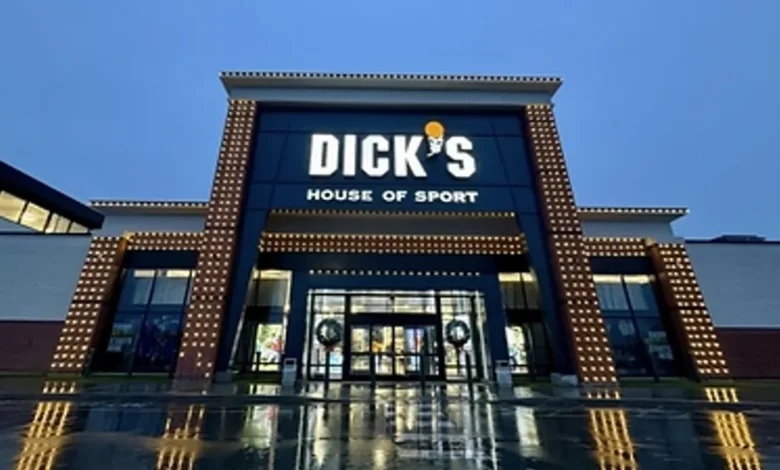
The retail landscape for athletic footwear and apparel is undergoing a seismic shift, characterized by a delicate dance between wholesale partners and brand manufacturers. Recent commentary from Dick’s Sporting Goods Executive Chairman Edward Stack underscores the strategic realignment currently taking place at Foot Locker, a company navigating a complex transition following its 2025 acquisition by the sporting goods giant. As Foot Locker works to modernize its retail footprint and assortment, the influence of Nike’s “Full Stride Ahead” strategy remains the primary catalyst for both short-term friction and long-term optimism.
The Strategic Evolution of the Jordan Brand
At the heart of the current conversation is the performance of the Jordan brand, a cornerstone of Foot Locker’s revenue model. Historically, the Jordan line has accounted for approximately 25% of Foot Locker’s total sales. However, recent quarters have seen this specific segment face significant headwinds. According to Stack, while the broader Nike business remains robust within Foot Locker’s walls, the Jordan sub-brand has proven difficult to manage as Nike recalibrates its distribution strategy.
Nike is currently in the process of restoring the Jordan brand to its former status as a premium, scarcity-driven asset. This involves a deliberate reduction in supply and a tightening of distribution channels to prevent the brand from becoming overexposed in the discount market. While this strategy presents immediate revenue challenges for retail partners like Foot Locker, industry analysts and executives alike agree that it is a necessary evolution to preserve the brand’s equity.
Stack emphasized his support for Nike’s long-term vision, noting that the manufacturer is making the correct, albeit painful, decision to prioritize brand health over immediate volume. “Nike is absolutely making the right decision of what they’re doing with Jordan for the long term,” Stack stated. He acknowledged that the executive team at Foot Locker is currently working closely with Nike to mitigate the financial impact of the temporary decline in Jordan-related sales, focusing on diversifying the remaining inventory to offset the gap.
A Chronology of the Foot Locker Turnaround
The narrative surrounding Foot Locker has been one of transformation since its acquisition by Dick’s Sporting Goods in 2025. The move was met with skepticism from some market observers who questioned whether the parent company could effectively pivot a legacy retailer that had lost its competitive edge.
- 2025 Acquisition: Dick’s Sporting Goods finalized the acquisition of Foot Locker, initiating a massive restructuring of its leadership, store layouts, and supply chain logistics.
- Early 2026: Foot Locker began a comprehensive audit of its retail fundamentals, moving away from a cluttered, promotional-heavy model toward a more curated, experience-driven environment.
- November 2026 (Mid-Month): Nike announced its "Full Stride Ahead" strategic plan, signaling a shift back toward emphasizing premium positioning and stronger wholesale partnerships that offer differentiated experiences.
- Late November 2026: Foot Locker reported its third-quarter fiscal results, highlighting a 93% year-over-year increase in net sales to $1.8 billion, though the company continues to manage a narrow net loss of $41 million.
Financial Performance and Operational Realignment
The recent quarterly results for Foot Locker provide a nuanced picture of a business in flux. While the 93% surge in net sales indicates a recovery in volume and scale, the bottom line reflects the high costs of restructuring. A net loss of $41 million—an improvement from the $46 million loss reported in the same period last year—suggests that the company is moving toward profitability but remains burdened by the overhead of its turnaround efforts.
The U.S. Foot Locker banner, a vital segment of the business, delivered a comparable sales increase of over 4% in the third quarter. This growth is largely attributed to a pivot toward “newness.” By refreshing the product assortment and moving away from stagnant legacy inventory, the retailer has managed to capture consumer interest in an increasingly crowded footwear market.
However, the industry remains highly promotional. Elevated levels of older inventory across the retail sector have forced many competitors to lower prices to move goods, creating a challenging environment for retailers trying to maintain margins. Foot Locker’s ability to move away from these promotional cycles is tied directly to its success in integrating the latest innovative products that shoppers are currently seeking.
The Legacy of the DTC Shift
The friction between Nike and Foot Locker in years prior to the acquisition serves as a cautionary tale of the risks inherent in a pure direct-to-consumer (DTC) strategy. Under previous leadership, Nike had significantly pulled back on wholesale distribution, viewing retailers like Foot Locker as "undifferentiated." This led to a degradation of the in-store experience, which ultimately harmed the brand’s reach.

Stack’s perspective on this is clear: the previous decline in Foot Locker’s relevance was a failure of investment. “They were taking product away from Foot Locker… and that was because they really didn’t feel Foot Locker had invested in their business, not invested from a marketing standpoint,” Stack explained. Under the new ownership structure, the goal is to prove that Foot Locker can act as a high-end, differentiated showroom for Nike’s most important products.
This shift involves significant capital expenditure on store renovations, better staff training, and more sophisticated digital marketing. The objective is to transform Foot Locker from a commodity-based shoe store into a destination for athletic culture, thereby regaining the trust and the premium allocations of major suppliers like Nike.
The Caitlin Clark Factor and Brand Partnerships
In a move to signal a new era for both banners, the company recently signed an exclusive deal with basketball star Caitlin Clark. This agreement spans both the Dick’s Sporting Goods and Foot Locker brands, marking a significant milestone as the first time the company has signed an individual athlete as a formal brand partner.
The move is not merely symbolic; it is a calculated effort to leverage celebrity influence to drive foot traffic and define the brands’ identities. By aligning with a high-profile athlete who resonates with a younger, diverse demographic, the company hopes to build a halo effect that elevates its status as a premier athletic retailer. This partnership is expected to be a key pillar in the marketing strategy as the company looks to differentiate itself in an increasingly digital-first world.
Broader Market Implications
The ongoing reconciliation between Dick’s/Foot Locker and Nike carries significant implications for the broader retail sector. It signals a move away from the "all-or-nothing" DTC era toward a hybrid model where manufacturers recognize that physical retail, when executed with precision, remains an essential component of brand building.

The challenges faced by the Jordan brand are reflective of a broader industry trend where major athletic brands are attempting to reclaim their "cool factor" by curbing the mass-market proliferation of their products. For retailers, this means navigating a landscape where inventory is tighter and the pressure to provide a "premium experience" is higher.
As Foot Locker continues its recovery, the market will be watching to see if the "newness" and operational discipline championed by the current leadership can translate into sustained profitability. The integration of the Dick’s and Foot Locker supply chains, combined with a renewed commitment to premium inventory, suggests a long-term play that prioritizes stability over the rapid, often volatile, growth of the past.
Ultimately, the success of this turnaround will be measured by the company’s ability to remain relevant in a market where consumer loyalty is increasingly fragmented. With the backing of an experienced leadership team and a refined strategic partnership with Nike, the outlook for the coming fiscal year appears cautiously optimistic, provided the retailer can continue to successfully manage the delicate transition of its core product categories.