Why the Global Smartphone Market is Shifting Toward Refurbished Devices Amidst Soaring New Retail Costs

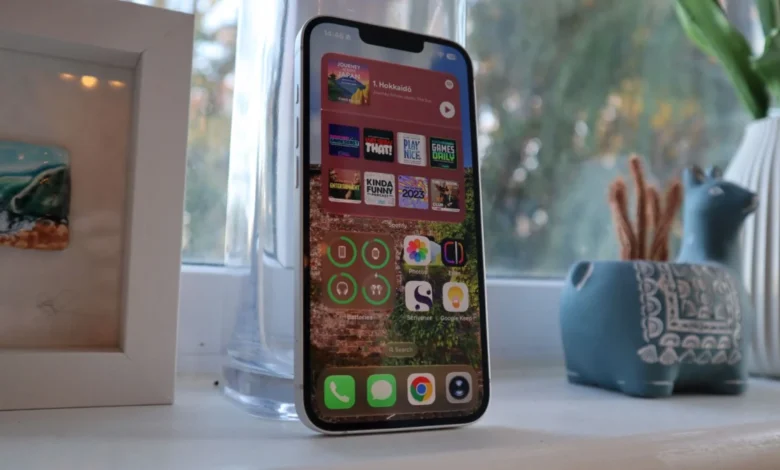
The global smartphone industry is currently undergoing a structural transformation as consumers grapple with unprecedented price hikes for flagship handsets. Recent data from market analysts and retail reporting indicates a definitive shift in purchasing behavior, with a significant surge in demand for refurbished hardware. This trend, largely driven by macroeconomic pressures and a supply chain crisis affecting memory components, suggests that the era of annual upgrades for brand-new, top-tier devices may be reaching a point of diminishing returns for the average consumer.
The current pricing landscape for smartphones has shifted significantly over the past 24 months. Industry leaders such as Samsung and Apple have adjusted their retail strategies to account for rising operational costs, with entry-level flagship prices seeing year-on-year increases of between $150 and $200 in major markets. The Samsung Galaxy S26, for instance, launched with a base price of $999, reflecting a substantial markup compared to its predecessor. Apple, long known for maintaining a relatively stable pricing structure, implemented upward adjustments across its entire lineup in September, moving the barrier to entry for its latest standard models to $699.
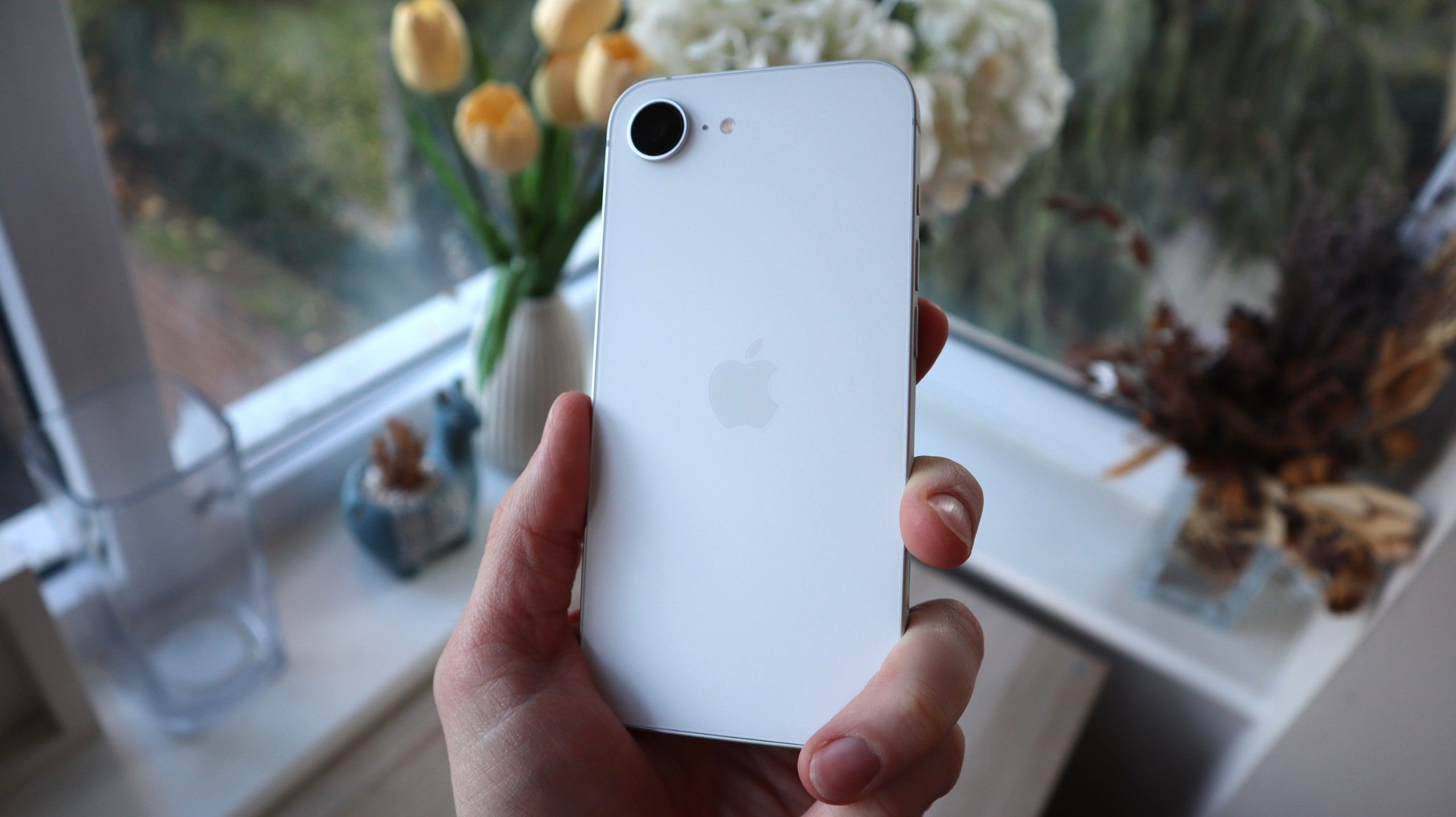
The Macroeconomic Factors Driving Hardware Inflation
The primary catalyst for this price escalation is the global memory crisis. The rapid expansion of artificial intelligence infrastructure has placed an unprecedented demand on high-speed RAM and storage components. As tech giants scramble to build and equip massive data centers to support large language models and cloud-based AI processing, the supply chain for NAND flash and DRAM has tightened significantly.
According to a 2026 report from IDC, the competition for these essential silicon components has driven manufacturing costs to record highs. Because smartphones rely on the same high-density memory chips required for AI servers, manufacturers are faced with a binary choice: sacrifice profit margins or pass the increased costs directly to the consumer. The data indicates that this supply constraint is not a temporary anomaly; industry projections suggest that the memory deficit may persist through at least 2028, ensuring that inflationary pressure on consumer electronics will remain a fixture of the market for the foreseeable future.
The Rise of the Secondary Market: A Consumer Response
In response to these rising costs, the secondary market for smartphones has experienced a period of exponential growth. MusicMagpie, a leading international reseller of pre-owned electronics, recently disclosed a 53% increase in year-over-year sales for refurbished iPhones. This surge coincides with the release of the iPhone 18 series, suggesting that as flagship prices rise, a larger segment of the consumer base is choosing to bypass the new device cycle in favor of certified refurbished alternatives.
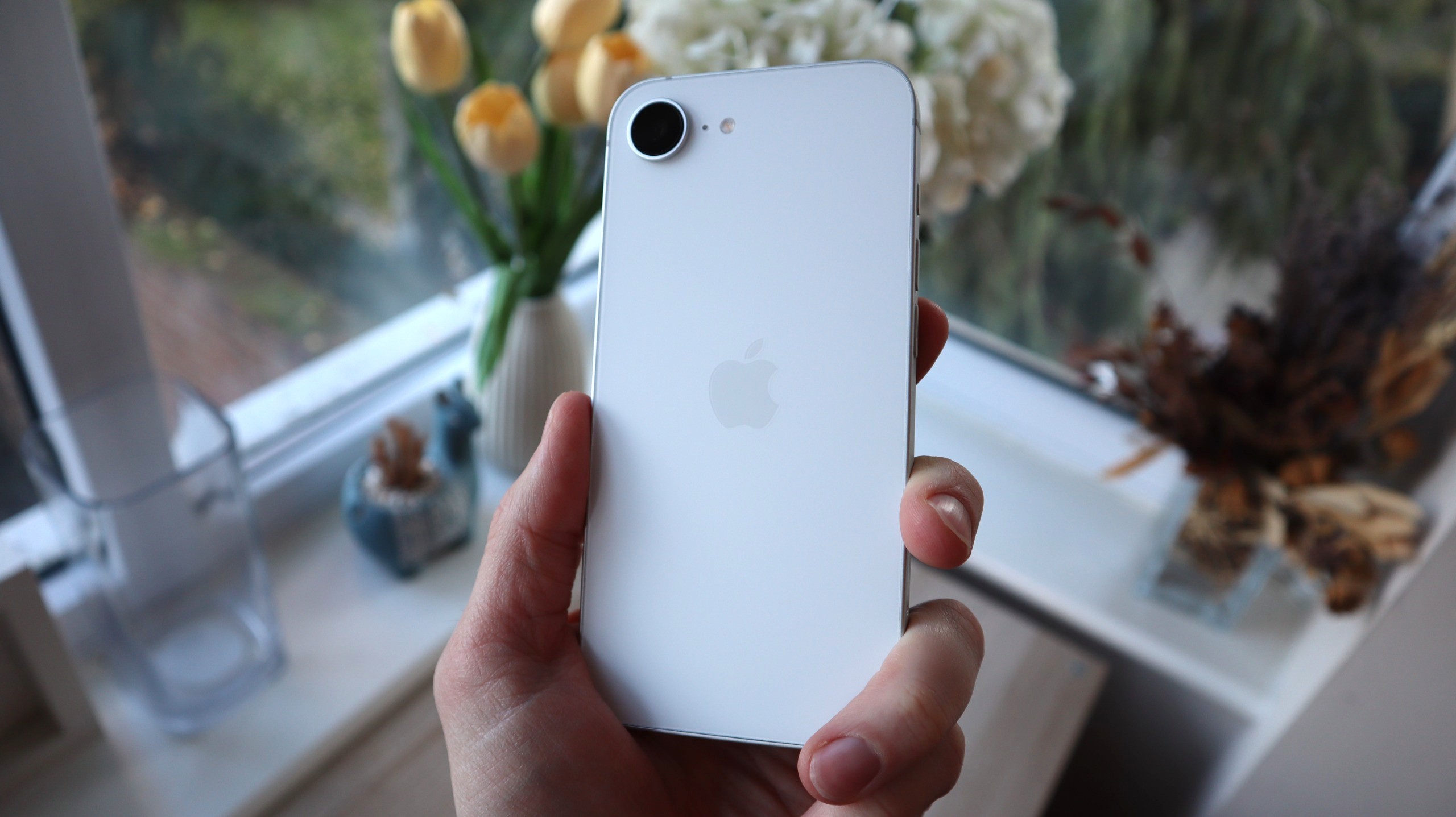
The refurbished market is no longer defined by the risks that once deterred mainstream buyers. Modern retail standards have evolved to provide consumers with rigorous testing protocols, comprehensive cleaning processes, and, crucially, manufacturer-backed or retailer-guaranteed warranties. Retailers like Giffgaff, Vodafone, Best Buy, and Back Market have standardized the inclusion of 24-month warranties and battery health guarantees, which effectively mitigate the traditional concerns associated with pre-owned hardware.
A Comparative Analysis of Value
The financial argument for choosing refurbished hardware has become increasingly compelling. When comparing a "like-new" refurbished device to a brand-new unit, the price delta often exceeds $200. For the average consumer, this saving does not represent a significant compromise in utility. Modern smartphones have reached a level of maturity where year-over-year performance gains—particularly in standard tasks such as messaging, content consumption, and high-resolution photography—are often marginal rather than revolutionary.
For example, the performance gap between an iPhone 17e and the latest generation is negligible for 90% of user interactions. When a consumer can secure a device with 100% battery health, a full warranty, and a discount of approximately 25-30% off the retail price, the "newness" of the device loses its premium value. Furthermore, the longevity of modern software support—often extending to five or six years—means that a two-year-old refurbished phone still possesses significant residual utility and security longevity.
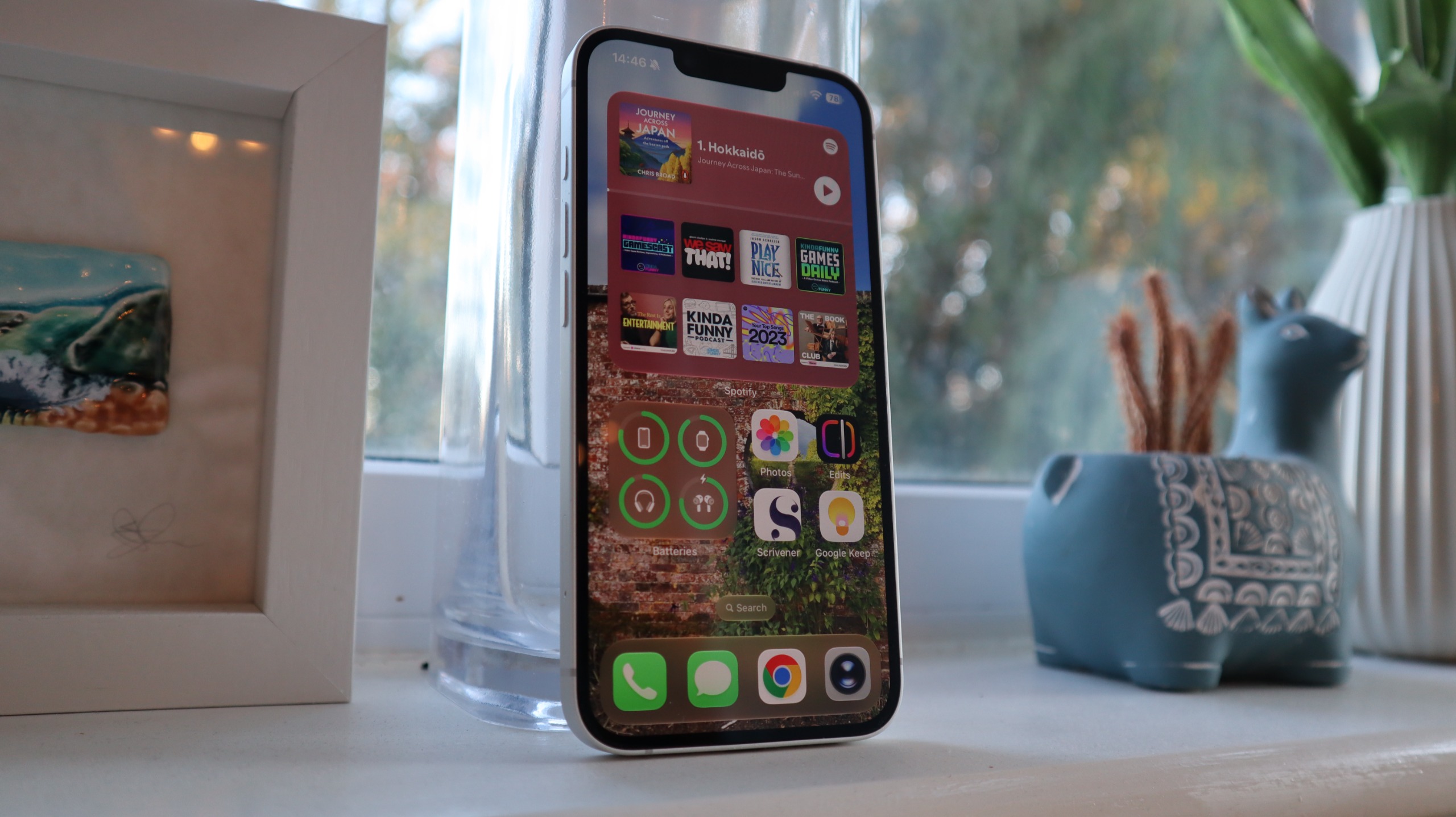
Industry Implications and Future Projections
The shift toward refurbished devices has broader implications for the technology sector, particularly regarding environmental sustainability and corporate revenue models. The smartphone industry has historically relied on a linear model: manufacture, sell, discard, repeat. The growing preference for secondary devices challenges this model, forcing companies to reconsider their trade-in and recycling programs.
Many manufacturers are now internalizing the refurbishment process. Apple’s official "Certified Refurbished" store has long been a pillar of its sustainability strategy, but the scale of independent resellers suggests that the market is outpacing the manufacturers’ own efforts. If the current trajectory continues, retailers may be forced to introduce more aggressive trade-in incentives to reclaim hardware, effectively creating a "circular economy" that keeps more devices in circulation for longer periods.
Furthermore, the shift has changed the competitive landscape for mid-range handsets. As flagship prices drift further out of reach, the "refurbished flagship" is now directly competing with "new mid-range" devices. Consumers who would have previously purchased a budget-tier new phone are now finding that a refurbished model from a higher tier offers superior build quality, better camera systems, and more reliable long-term software support for the same price.
Conclusion: A New Standard for Tech Acquisition
The data suggests that we are witnessing a permanent shift in consumer sentiment. The "always-new" cycle, which fueled the tech industry for over a decade, is being tempered by economic reality and the realization that hardware longevity has outpaced the need for constant iteration.
For the consumer, the path forward appears clear: the secondary market has matured into a reliable, cost-effective, and sustainable alternative to traditional retail. As long as the memory crisis persists and the cost of raw components remains inflated, the appeal of refurbished tech is likely to increase. For those looking to upgrade their technology, the question is no longer just "which phone should I buy," but "is the premium for ‘new’ truly justified by the performance gains?" In the current market, the answer for an increasing number of people is a definitive "no." As we look toward the 2027 market cycle, it is highly probable that the refurbished sector will transition from a niche, budget-conscious option to a primary consideration for the mainstream tech consumer.