Waymo Robotaxi Service Resumes in San Francisco After Brief Suspension Due to Citywide Power Outage

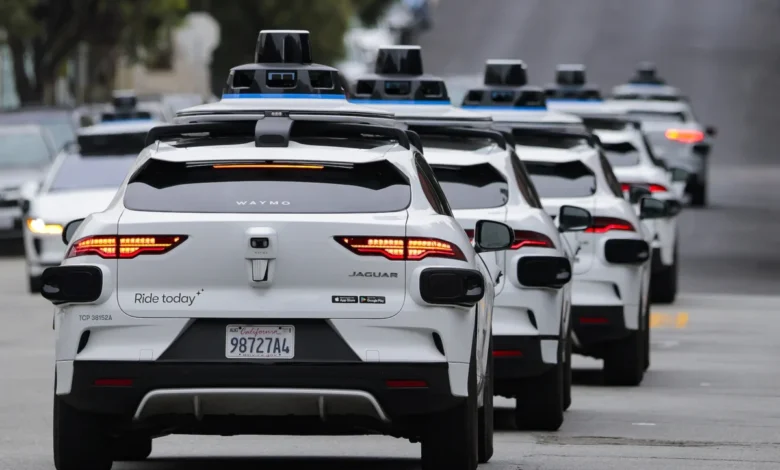
Waymo, the autonomous vehicle subsidiary of Alphabet Inc., has resumed its robotaxi operations in San Francisco following a temporary suspension. The service was briefly halted on July 18, 2026, as a significant power outage swept across the city, affecting approximately 7,000 PG&E customers. The autonomous ride-hailing company cited "temporary adjustments" to its service in response to the localized power disruption.
The incident, which began on Saturday morning, prompted Waymo to pause its services, with a social media post indicating that "freeway routes are unavailable" for its riders. While the exact duration of the service interruption is not explicitly stated as a fixed period, Waymo later clarified that the pause lasted for approximately one hour. This period was utilized to "assess the scale of the power outage affecting a large portion of San Francisco and coordinate with local officials."
A spokesperson for Waymo stated, "We know riders depend on us, and we will return to normal operations as soon as possible." The company’s swift communication and subsequent resumption of service underscore the critical need for reliable autonomous operations in urban environments, particularly during unforeseen events.
Chronology of the Incident and Response
The power outage, attributed to a localized issue impacting PG&E customers, began to be felt across San Francisco on the morning of July 18, 2026. Reports of the disruption emerged through various channels, including social media, where users shared screenshots of Waymo’s internal notifications to customers. These messages detailed the temporary pause in service and the unavailability of highway routes, signaling a direct impact on the autonomous ride-hailing network.
Upon reaching out for comment, TechCrunch received an initial statement from Waymo acknowledging the service adjustments and the monitoring of local conditions. The company reiterated its commitment to restoring normal operations promptly.
Following the initial publication of the news, Waymo provided further details, clarifying that the service had been intentionally paused for roughly one hour. This strategic pause was implemented to allow the company to thoroughly evaluate the extent of the power outage’s impact on its operational capabilities and to establish clear lines of communication and coordination with city officials. This proactive measure highlights a key aspect of autonomous vehicle deployment: the necessity of robust contingency planning for infrastructure failures.
The updated statement confirmed that service had indeed resumed, marking the end of the temporary disruption. This indicates that Waymo’s systems were able to adapt and reintegrate into the city’s operational fabric once the immediate crisis subsided or was sufficiently mitigated.
Background: Autonomous Vehicles and Infrastructure Challenges
This is not the first instance where power outages or significant citywide events have disrupted Waymo’s operations in San Francisco. The city, a key testing ground for autonomous vehicle technology, has witnessed several such incidents.

A notable event occurred in December 2025, when a widespread blackout caused a number of Waymo vehicles to stall on city streets. This situation led to significant traffic disruptions and raised public concerns about the reliability of autonomous vehicles during emergencies. Similarly, on a previous Fourth of July, a similar incident involving power issues reportedly paralyzed traffic, compounded by the spectacle of fireworks over the Golden Gate Bridge.
These recurring challenges have intensified the debate surrounding the regulation of autonomous vehicles in complex urban environments. San Francisco Mayor Daniel Lurie has been a vocal advocate for stricter oversight. In July 2026, he called for enhanced state regulations, emphasizing the need to "adequately address how autonomous vehicles operate during major incidents, planned or not." This sentiment reflects a broader concern among city officials and the public regarding the potential impact of autonomous technology on public safety and traffic flow, particularly when faced with unforeseen circumstances like infrastructure failures.
Supporting Data and Context
The power outage on July 18, 2026, affected approximately 7,000 PG&E customers, according to reports. While the specific cause of the outage was not immediately detailed, its widespread impact on a significant portion of the city underscores the interconnectedness of urban infrastructure and the vulnerability of technologically dependent services.
San Francisco has become a leading hub for the development and deployment of autonomous vehicle technology. Companies like Waymo and Cruise (though Cruise has faced its own regulatory hurdles and operational suspensions) have invested heavily in establishing their presence in the city. Waymo, in particular, has been operating its fully driverless service in San Francisco since late 2022, expanding its service area and operating hours incrementally. The city’s complex urban landscape, with its steep hills, unpredictable weather, and dense traffic, serves as a rigorous testing ground, pushing the boundaries of what autonomous systems can achieve.
However, the reliance of these advanced systems on stable power grids and other essential infrastructure presents a critical point of consideration. The ability of autonomous vehicles to safely navigate and operate during power outages, severe weather events, or other major disruptions remains a key area of development and regulatory scrutiny.
Official Responses and Broader Implications
The swift response from Waymo, both in communicating the service disruption and in resuming operations, demonstrates the company’s commitment to maintaining a functional service. The spokesperson’s statement, "We know riders depend on us, and we will return to normal operations as soon as possible," highlights the critical role these services play in the daily lives of many San Francisco residents.
Mayor Lurie’s call for tougher regulations, reiterated in recent weeks, is likely to gain further traction following this incident. The continuous need for autonomous vehicles to demonstrate resilience and safety during emergencies is paramount for public trust and regulatory approval. The San Francisco Municipal Transportation Agency (SFMTA) and the California Public Utilities Commission (CPUC) are key regulatory bodies involved in overseeing autonomous vehicle operations. Future regulatory discussions may focus on:
- Emergency protocols: Mandating clear and robust protocols for autonomous vehicle companies to follow during power outages, natural disasters, and other emergencies.
- Communication and coordination: Establishing standardized communication channels between autonomous vehicle operators and city emergency services.
- Performance standards: Defining minimum performance requirements for autonomous vehicles in adverse conditions.
- Data transparency: Requiring companies to share data related to service disruptions and incident responses to inform regulatory decisions.
The incident also raises broader questions about the future of urban mobility. As autonomous vehicles become more integrated into city transportation networks, their dependence on resilient infrastructure will become an increasingly important factor. Investments in smart grids, redundant power sources, and sophisticated communication networks will be crucial to ensure the continued operation of these services during times of crisis.
Waymo’s ability to quickly adapt and resume operations after a relatively short pause suggests a degree of resilience in their system. However, the recurrence of such incidents emphasizes the ongoing need for continuous improvement, rigorous testing in diverse scenarios, and close collaboration between technology companies, utility providers, and city governments to ensure the safe and reliable deployment of autonomous transportation. The future success of robotaxi services in major metropolitan areas will undoubtedly hinge on their capacity to navigate not only complex traffic but also the unpredictable challenges posed by urban infrastructure and unforeseen events.