Tractor Supply Company bolsters national logistics network with the opening of a high-tech distribution center in Nampa Idaho

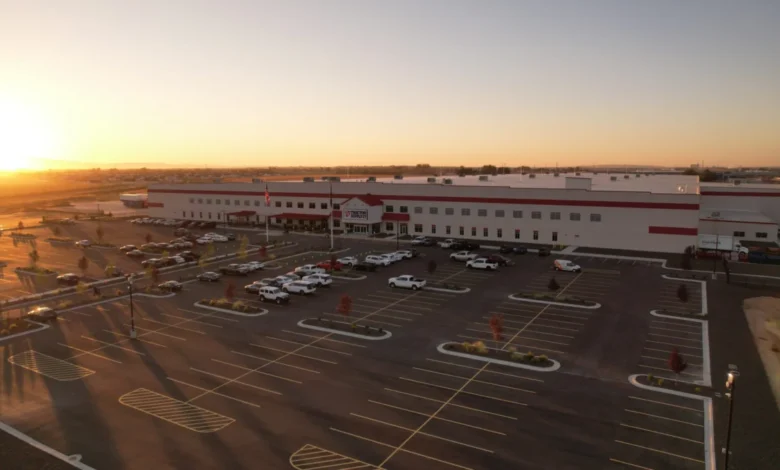
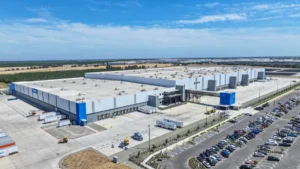
Tractor Supply Company, the largest rural lifestyle retailer in the United States, has officially expanded its supply chain footprint with the inauguration of a massive, 865,000-square-foot distribution center in Nampa, Idaho. This facility, which serves as the 11th node in the company’s national distribution network, represents a strategic move to accommodate the retailer’s aggressive store count growth and the increasing complexity of its omnichannel fulfillment requirements. The Nampa site is not merely a warehouse; it is a flagship of modernization for the company, incorporating advanced automation, artificial intelligence, and environmentally sustainable design principles intended to set a new benchmark for the organization’s logistics operations.
A Strategic Investment in Logistics Infrastructure
The Nampa facility is designed to support the rapid scaling of Tractor Supply’s retail operations, which currently span 2,463 stores across 49 states, alongside its 209 "Petsense by Tractor Supply" locations. According to the company’s operational roadmap, the new center will support 123 stores across nine states during its first year of operation. However, the infrastructure has been engineered with significant excess capacity, allowing it to scale up to support more than 200 stores as demand fluctuates and the retail footprint grows.
The site is strategically positioned with 80 high-efficiency truck docks, a design feature specifically optimized to manage the velocity of inbound and outbound freight. Beyond the current structure, the company has secured additional acreage at the Nampa site to ensure that it can expand the physical footprint as necessary without disrupting existing logistics flows. This long-term planning is indicative of Tractor Supply’s broader strategy to decouple its supply chain from regional volatility and ensure consistent product availability for its core customer base.
Chronology of Development
The Nampa project was a multi-year undertaking that underscores the company’s commitment to capital investment in infrastructure. The timeline for the project is as follows:
- 2024: Formal construction commenced on the site, which was selected for its geographic proximity to major transit arteries in the Pacific Northwest.
- July 2026: The physical construction of the facility reached completion, marking the transition from a development project to an operational asset.
- August 2026: The center began the critical phase of inventory intake, populating the racks and automated storage systems with the broad range of hardware, pet supplies, and agricultural goods characteristic of the brand.
- October 2026: The facility is scheduled to begin full-scale outbound shipping operations, marking the integration of the Nampa site into the company’s live supply chain network.
Technological Integration and AI Adoption
Perhaps the most notable aspect of the Nampa facility is its role as the company’s first distribution center to implement Order Storage and Retrieval (OSR) and Automated Storage and Retrieval System (ASRS) technology. This automated architecture is fully integrated into the warehouse’s daily operations, allowing the facility to automatically sequence, store, and retrieve products with greater speed and accuracy than traditional manual fulfillment methods.
Furthermore, the facility acts as a proving ground for the company’s AI-driven logistics initiatives. Every team leader at the Nampa site has undergone specialized training in artificial intelligence fundamentals. The company has established a dedicated AI Innovation Team on-site, tasked with identifying practical applications for machine learning to resolve operational bottlenecks, optimize inventory turnover, and predict regional demand surges. This focus on AI is consistent with the company’s current status as a significant player in the retail technology space; Tractor Supply is currently ranked No. 225 in Digital Commerce 360’s AI Rankings, reflecting a deliberate shift toward digitizing traditional retail operations.
Environmental Stewardship and Sustainability
Aligning with modern corporate responsibility standards, the Nampa facility has been constructed to meet LEED (Leadership in Energy and Environmental Design) Silver certification standards. By scoring between 50 and 69 points on the LEED scale, the building demonstrates a commitment to reducing the environmental impact of large-scale logistics.
The certification criteria, which assess energy and water consumption, waste management, material sourcing, and indoor environmental quality, suggest that the facility will be significantly more energy-efficient than traditional legacy warehouses. This emphasis on sustainability serves a dual purpose: it mitigates the company’s carbon footprint in accordance with ESG (Environmental, Social, and Governance) targets, and it lowers the long-term operational costs associated with heating, cooling, and powering an 865,000-square-foot space.
The Evolution of Last-Mile Delivery
The opening of the Nampa center comes at a time when Tractor Supply is aggressively refining its "Final Mile" delivery strategy. During the Barclays 19th Annual Global Consumer Staples Conference held in September, CEO Hal Lawton provided insight into how the company is evolving its delivery model to meet the high expectations of modern consumers.
For the past several years, the retailer has offered various delivery speeds—including same-day, two-day, and three-day options—directly from its retail locations. However, the company has shifted its focus to a "hub-and-spoke" model. Under this system, the retailer aggregates inventory and logistics resources across clusters of three to four stores, serving the broader area from a single, more efficient focal point. This model is scaling rapidly; according to data shared during the Q2 2026 earnings call, the number of last-mile deliveries completed in the first half of 2026 already matched the total volume for the entire 2025 fiscal year.
Economic Impact and Local Perspectives
The economic implications for the Nampa region are substantial. The facility is expected to bring 500 full-time jobs to the area, providing a stable source of employment in the logistics and technology sectors. Darl Bruner, the Mayor of Nampa, has characterized the arrival of the retailer as a "major economic milestone" for the city.
Craig Ledbetter, the company’s chief supply chain officer, highlighted the necessity of this investment in his September 23 announcement, stating that the facility is "vital" to the company’s ability to fulfill customer orders reliably. He emphasized that the Nampa site is not just a storage hub, but a tool for "delivering the legendary service our customers have come to expect." By investing in safer, more efficient systems, the company aims to reduce the physical burden on its employees while simultaneously improving the precision of its supply chain.
Broader Implications for the Retail Landscape
Tractor Supply’s investment in the Nampa center reflects a wider trend among North American retailers ranked in the Top 1000 Database. As consumer behavior shifts further toward e-commerce and expectations for delivery speed intensify, retailers are being forced to rethink their logistics networks. The reliance on large, centralized warehouses is increasingly being supplemented by automated, high-tech hubs that can manage both bulk store replenishments and individual parcel fulfillment.
The integration of AI and automated retrieval systems at the Nampa facility suggests that future competitive advantages in the retail sector will be determined by the speed and efficiency of the "middle mile" and "last mile." By building a facility that is large enough to "fit seven Idaho Ford Centers inside," Tractor Supply is signaling that it intends to capture further market share by ensuring its inventory is positioned as close to the consumer as possible, using technology to bridge the final gap between the warehouse rack and the customer’s doorstep.
As the company looks beyond 2026, the success of the Nampa facility will likely serve as a blueprint for future infrastructure projects. If the integration of OSR/ASRS technology and the hub-and-spoke delivery model continues to yield the expected efficiency gains, the company may look to retrofit or expand its existing 10 other distribution centers to match the Nampa standard, further cementing its position as a dominant force in the rural lifestyle retail sector.