The Skyrocketing Costs of Powering the AI Boom: Tech Giants Grapple with Soaring Natural Gas Plant Expenses

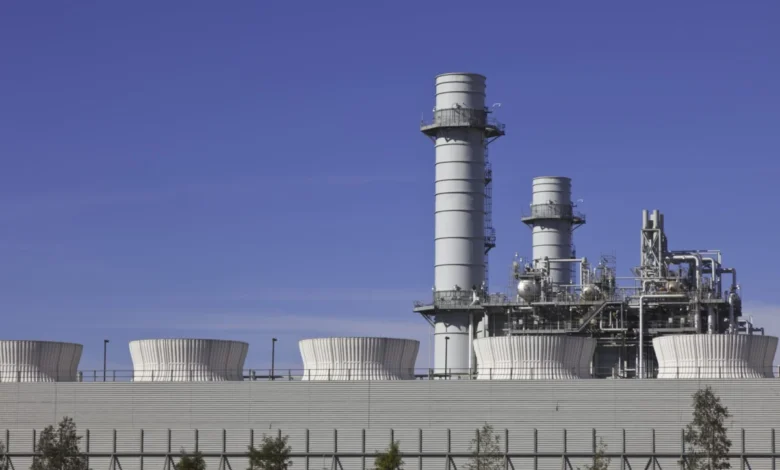
The insatiable appetite of artificial intelligence is fueling a dramatic surge in electricity demand, prompting tech behemoths like Microsoft and Meta to pivot towards natural gas to power their sprawling data centers. However, this embrace of the fossil fuel is proving to be an increasingly costly affair, with the expense of constructing new natural gas-fired power plants experiencing a staggering 66% escalation over the past two years. This escalating financial burden, detailed in a recent report by BloombergNEF, highlights a critical bottleneck in the rapid expansion of AI infrastructure and raises questions about the long-term sustainability of current energy strategies.
The Unforeseen Price Hike in Natural Gas Power
While natural gas prices have remained relatively stable in the United States, a complex interplay of factors has driven up the capital costs associated with building the necessary power generation facilities. According to BloombergNEF’s analysis, the price to construct a new combined cycle gas turbine (CCGT) power plant has surged from less than $1,500 per kilowatt of generating capacity in 2023 to an imposing $2,157 per kilowatt by last year. This represents a significant jump, impacting the financial calculus for companies racing to meet the ever-growing power needs of their data centers.
Beyond the direct cost of the plant itself, the timeline for completion has also lengthened considerably. The same report indicates that it now takes an additional 23% longer to bring a new natural gas power facility online. This extended lead time further exacerbates the challenge for tech companies needing to rapidly scale their operations to accommodate the burgeoning demands of AI workloads, from training complex machine learning models to serving an increasing volume of user requests.
Data Centers: A Growing Energy Black Hole
Data centers, the physical infrastructure that underpins cloud computing and AI services, are undeniably a primary driver of this escalating electricity demand. Their energy consumption is not merely a growing concern; it is projected to undergo a dramatic expansion. Current estimates suggest that data center electricity demand will nearly triple, increasing by 2.7 times its present level, from 40 gigawatts today to a staggering 106 gigawatts by 2035. This forecast underscores the profound impact these facilities have on the national and global energy landscape.
A significant factor contributing to this exponential growth is the sheer scale of new data center developments. While historically, data centers of 50 megawatts or larger constituted only 10% of the market, the trend is shifting dramatically. Over the next decade, the average data center is expected to exceed 100 megawatts, signifying a substantial increase in the power requirements per facility. This trend necessitates the construction of more robust and larger-scale power solutions, further amplifying the demand for energy generation.
The Trump Administration’s Influence and Public Scrutiny
The push for data center operators to "bring their own power," a directive reportedly encouraged by the Trump administration, has influenced the energy strategies of many tech companies. This policy aimed to alleviate the strain on existing grid infrastructure by encouraging independent power generation. However, when utility companies are tasked with building new generation capacity, the costs are often passed on to consumers. This, coupled with the environmental concerns associated with fossil fuel reliance and the visual impact of these massive facilities, has ignited a growing public backlash against data center development in many communities. Residents are increasingly vocal about the environmental footprint and the potential strain on local resources, creating a complex socio-political dynamic for expansion.
The Turbine Bottleneck: A Supply Chain Crisis
The intensified competition for natural gas power generation has created a critical shortage of gas turbines, the core components of CCGT plants. By the end of the current year, prices for these essential pieces of equipment, which can account for up to 30% of a new power plant’s total cost, are anticipated to be a staggering 195% higher than they were in 2019. This dramatic price inflation is a direct consequence of a supply-demand crisis, where the manufacturing capacity for these highly specialized turbines has not kept pace with the accelerated demand from the tech and utility sectors.

Furthermore, the manufacturing processes for gas turbines are intricate and do not lend themselves to rapid scaling. The complex engineering and specialized expertise required mean that production can only be incrementally increased. This inherent limitation has resulted in extended waitlists for new turbines, with orders now stretching into the early 2030s. This prolonged delay presents a significant hurdle for companies seeking to quickly deploy new power generation capacity.
A Shifting Energy Landscape and Emerging Alternatives
Historically, tech companies have leaned towards grid-connected data centers, often securing power through Power Purchase Agreements (PPAs) for renewable energy sources such as wind, solar, and battery storage. This approach aligned with corporate sustainability goals and offered a degree of price predictability. However, the escalating demand for electricity, largely driven by AI and the mounting public opposition to new data center construction, has nudged more companies towards the perceived expediency of natural gas projects.
However, not all major technology players are fully committing to natural gas as the sole solution. Google, for instance, has begun to articulate a different strategy for expanding its generating capacity. The tech giant is exploring an approach that emphasizes the integration of renewable energy sources with advanced, long-duration energy storage solutions. This includes partnerships with companies developing innovative battery technologies, such as Form Energy’s iron-air batteries, which are designed to discharge electricity over an extended period of up to 100 hours. This focus on renewables coupled with robust storage offers a compelling alternative to the volatile and rapidly increasing costs associated with natural gas power plants.
The economic trajectory of solar panels and batteries stands in stark contrast to the burgeoning costs of natural gas infrastructure. Over time, the levelized cost of energy (LCOE) for solar photovoltaic (PV) and battery storage systems has consistently decreased, making them increasingly competitive. This trend offers a vital pathway for companies seeking to meet their energy demands sustainably and affordably, potentially mitigating the financial risks associated with reliance on a fossil fuel whose infrastructure costs are experiencing unprecedented inflation.
Broader Implications and Future Outlook
The current situation presents a multifaceted challenge with far-reaching implications. The surge in data center energy demand, amplified by the AI revolution, is placing unprecedented pressure on power grids and energy infrastructure worldwide. The reliance on natural gas, while offering a seemingly readily available solution, carries significant environmental consequences and is now proving to be an economically precarious choice due to escalating construction costs and supply chain constraints.
The growing public opposition to data centers also signals a broader societal reckoning with the environmental and social impacts of rapid technological advancement. As AI becomes more integrated into our lives, the energy footprint and physical presence of the infrastructure supporting it will inevitably face increased scrutiny.
The divergent strategies being pursued by tech giants, with some doubling down on natural gas and others exploring advanced renewable and storage solutions, highlight a critical juncture in the energy transition. The success of companies like Google in developing and deploying long-duration energy storage will be pivotal in demonstrating the viability of a renewable-first approach to powering the digital future.
The coming years will likely witness a intensified debate and innovation in the energy sector, driven by the imperative to balance the burgeoning demands of artificial intelligence with the urgent need for sustainable and cost-effective energy solutions. The escalating costs of natural gas power plants serve as a stark reminder that the pursuit of technological progress must be inextricably linked to responsible and forward-thinking energy strategies. The industry’s ability to navigate these complex challenges will not only shape the future of data centers and AI but also play a crucial role in the global effort to combat climate change.
Related posts: