The Escalating Cost of Powering the AI Boom: Tech Giants Confront Soaring Natural Gas Infrastructure Expenses

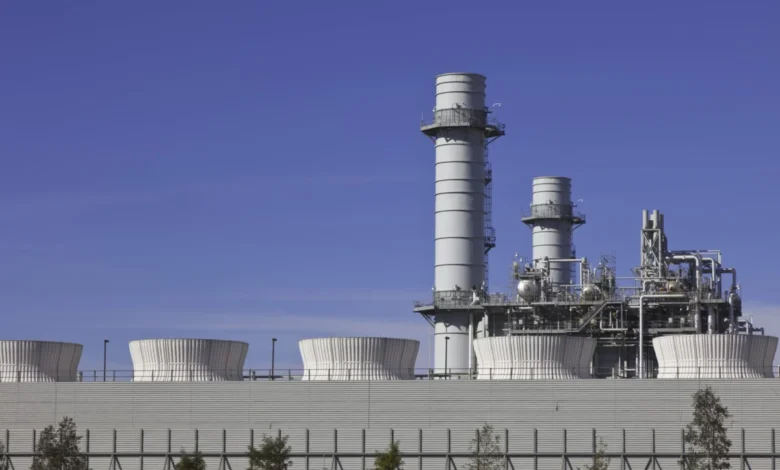
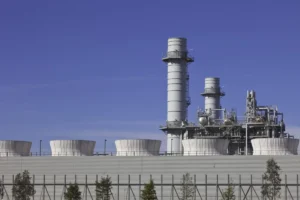
The insatiable appetite for electricity to power artificial intelligence and burgeoning data centers is forcing major technology companies, including Microsoft and Meta, to confront a stark reality: the cost of building the natural gas infrastructure they increasingly rely upon has surged dramatically. In the past two years alone, the expense associated with constructing new combined cycle gas turbine (CCGT) power plants has jumped a staggering 66%, according to a recent report by BloombergNEF. This sharp increase in capital expenditure, coupled with extended construction timelines, presents a significant challenge for an industry that has, until recently, viewed natural gas as a readily available and cost-effective solution for its ever-growing power demands.
The Unforeseen Price Hike in Natural Gas Power Plants
While natural gas prices have remained relatively stable and low in the United States, a trend that has persisted despite geopolitical tensions such as the ongoing conflict in Iran, the cost to build the physical infrastructure for generating that power has skyrocketed. The BloombergNEF report highlights a dramatic shift: the price to construct a new CCGT power plant escalated from under $1,500 per kilowatt of generating capacity in 2023 to $2,157 per kilowatt in the past year. This represents a substantial 66% increase in just two years.
Compounding this financial strain, the time required to complete these new facilities has also seen a significant uptick, increasing by 23%. This means not only are companies spending more upfront, but they are also facing longer lead times before these crucial power sources can come online, potentially delaying expansion plans and impacting operational readiness.
The Driving Force: Data Center Demand and the AI Revolution
The surge in demand for electricity is undeniably linked to the rapid expansion of data centers, the digital fortresses that underpin cloud computing, artificial intelligence development, and the vast array of online services we depend on. This burgeoning demand has prompted not only tech giants but also traditional utility companies to invest heavily in new power generation.
The U.S. administration, under President Trump, has previously encouraged data center operators to "bring their own power," a directive that has contributed to the trend of tech companies developing their own energy infrastructure. However, when utilities undertake such projects, they typically pass the associated costs onto their customers. This dynamic, combined with the visual impact and environmental concerns surrounding massive data center facilities, has fueled a growing public backlash against their proliferation. Residents in many areas are becoming increasingly vocal in their opposition to the construction of new data centers, citing concerns over energy consumption, visual blight, and potential environmental impacts.
A Forecast of Soaring Energy Consumption
Data centers, while not the sole driver of increased electricity demand, are undeniably one of the fastest-growing consumers. Projections indicate a dramatic escalation in their energy needs. Current estimates suggest that data center electricity demand will increase by a factor of 2.7 by 2035, climbing from approximately 40 gigawatts (GW) to an astonishing 106 GW.
This exponential growth is partly attributable to the sheer scale of new data center facilities being planned and constructed. While currently only about 10% of data centers are 50 megawatts (MW) or larger, the trend is shifting significantly. Over the next decade, the average data center is expected to exceed 100 MW, indicating a move towards larger, more power-intensive installations. This intensification of energy demand necessitates robust and scalable power solutions, pushing companies to explore all available options.
A Shift Away from Renewables?
Historically, tech companies have demonstrated a strong preference for grid-connected data centers powered by renewable energy sources. Power purchase agreements (PPAs) for wind, solar, and battery storage have been a common strategy for these companies to secure clean energy. However, the confluence of rising electricity demand, driven by the AI boom, and increasing public opposition to data center infrastructure has led to a renewed interest in, and a surge in the development of, new natural gas power projects.
The intense competition for natural gas power plants has created a bottleneck in the supply chain for a critical component: gas turbines. By the end of the current year, prices for these essential pieces of equipment, which can constitute up to 30% of a new power plant’s total cost, are projected to be 195% higher than they were in 2019. This dramatic price increase is a direct consequence of a supply-demand crisis.

Adding to the complexity, the manufacturing processes required to produce gas turbines are not easily scaled up to meet the sudden spike in demand. This manufacturing constraint means that waitlists for these turbines are now stretching well into the early 2030s, further exacerbating the challenges faced by companies looking to quickly expand their power generation capabilities.
A Timeline of Escalating Costs and Supply Chain Strain
- Early 2023: The cost to build a new combined cycle gas turbine (CCGT) power plant hovers below $1,500 per kilowatt of generating capacity. Tech companies, including Microsoft and Meta, are actively pursuing plans to build natural gas-fired power plants to meet their expanding data center needs.
- Throughout 2023-2024: A significant surge in demand for electricity, driven by AI development and the construction of new, larger data centers, begins to put pressure on the power grid. Public opposition to data center infrastructure also starts to gain momentum.
- Late 2023 – Early 2024: The demand for gas turbines begins to outstrip supply, leading to initial price increases for the equipment. Manufacturing limitations start to become apparent.
- 2024: The cost to build a new CCGT power plant rises to $2,157 per kilowatt, a 66% increase from two years prior. Construction timelines for new facilities also extend by 23%. Prices for gas turbines continue to climb significantly.
- Late 2024 (Projected): Prices for gas turbines are expected to be up 195% over 2019 levels, reflecting a severe supply-demand imbalance. Waitlists for turbines extend into the early 2030s.
- By 2035 (Projected): Data center electricity demand is forecast to reach 106 GW, a nearly threefold increase from current levels, underscoring the ongoing need for substantial power generation capacity.
The Search for Alternatives: Innovation in Energy Storage
Despite the growing reliance on natural gas, not all major technology players are fully committing to this path. Google, for instance, has begun to articulate a distinct strategy for augmenting its generating capacity. This approach centers on a robust integration of renewable energy sources, specifically paired with long-duration energy storage solutions.
One notable example of this strategy is Google’s exploration of Form Energy’s innovative iron-air batteries. These advanced batteries possess the remarkable capability to discharge electricity over extended periods, up to 100 hours. This contrasts sharply with the more immediate, but less sustainable, power provided by natural gas turbines.
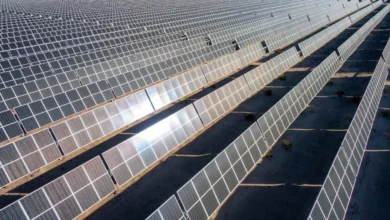
The economic landscape for renewable energy also offers a compelling alternative. Unlike the escalating costs associated with natural gas power plant construction, solar panels and batteries have experienced a consistent trend of decreasing prices over time. This continued cost reduction provides a viable and increasingly attractive counterpoint to the sky-high expenses now associated with building new natural gas infrastructure. The decreasing levelized cost of energy (LCOE) for solar PV combined with battery storage, as documented by organizations like the International Energy Agency (IEA), suggests a future where renewables and advanced storage can compete effectively with, and potentially surpass, the economic viability of fossil fuel-based power generation.
Broader Implications and the Future of Data Center Power
The current predicament highlights a critical juncture for the technology sector and its energy consumption. The rapid expansion of AI is not only driving demand for computing power but also for the very energy needed to sustain it. The increased reliance on natural gas, while seemingly a pragmatic solution in the short term, carries significant implications.
Environmental Concerns: The continued investment in natural gas infrastructure, a fossil fuel, runs counter to global efforts to decarbonize the energy sector and combat climate change. While natural gas is often presented as a "bridge fuel," its long-term use perpetuates reliance on fossil fuels and contributes to greenhouse gas emissions.
Economic Volatility: The current supply chain crisis for gas turbines and the rising construction costs suggest a potentially volatile economic landscape for data center energy. Companies heavily invested in these projects may face unforeseen cost overruns and delays, impacting their financial projections and competitive positioning.
Public Perception and Regulatory Scrutiny: The growing public opposition to data centers, coupled with the environmental concerns surrounding fossil fuel reliance, could lead to increased regulatory scrutiny. Governments may implement stricter regulations on data center development and energy sourcing, further complicating the landscape for tech companies.
The Promise of Renewables and Storage: The commitment of companies like Google to renewables and long-duration energy storage offers a potential pathway forward. As battery technology continues to advance and costs decrease, the ability to store renewable energy for extended periods could significantly reduce the need for fossil fuel-based power generation. This transition, however, requires substantial investment and a long-term strategic vision that prioritizes sustainable energy solutions.
The current situation underscores the complex interplay between technological innovation, energy infrastructure, economic realities, and environmental responsibility. As the demand for AI and digital services continues its relentless ascent, the choices made today regarding energy sourcing and infrastructure development will have profound and lasting consequences for both the technology industry and the planet. The escalating costs of natural gas power plants serve as a stark reminder that the quest for sustainable and scalable energy solutions is more critical than ever.
Related posts: