The End of the Cook Era: John Ternus Prepares to Lead Apple into a Turbulent Future

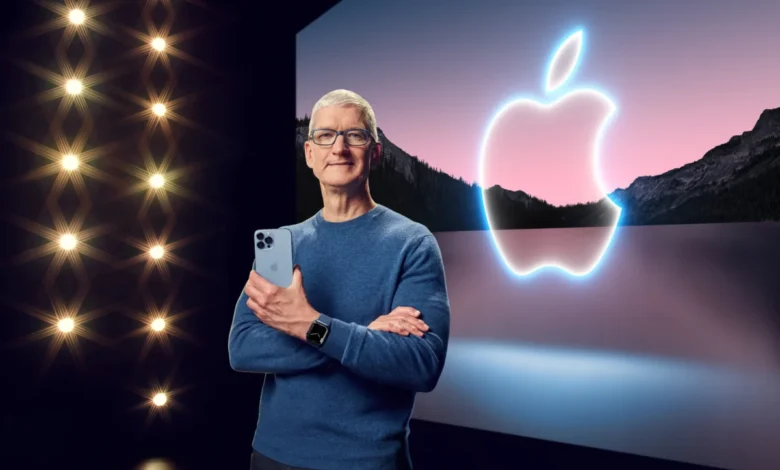
The transition of leadership at Apple Inc. marks the most significant executive shift in the technology sector in over a decade. As Tim Cook prepares to step down from his role as Chief Executive Officer in September, the company is set to inaugurate John Ternus, the current Senior Vice President of Hardware Engineering, as his successor. This change at the top is not merely a transfer of power; it represents a pivotal juncture for the world’s most valuable company as it navigates a shifting regulatory landscape, the maturation of its core business, and the relentless pressure of the artificial intelligence revolution.
The Architect of Modern Apple
Tim Cook’s tenure, which began in August 2011 following the death of Steve Jobs, is defined by unprecedented financial growth and operational efficiency. When Cook took the helm, Apple’s market capitalization stood at approximately $350 billion. Under his guidance, that figure has soared, periodically eclipsing $3 trillion. Cook transformed Apple from a hardware-centric company into a services powerhouse, successfully launching the Apple Watch, the AirPods ecosystem, and growing the Services division—which includes the App Store, iCloud, and Apple Music—into a revenue engine that often generates more quarterly income than the entire Fortune 500 companies of old.
However, the ecosystem Cook built is under siege. The "walled garden" strategy, which long served as Apple’s greatest competitive advantage, has become a liability in the eyes of international regulators. From the European Union’s Digital Markets Act (DMA) to ongoing antitrust litigation in the United States, Apple is facing an existential challenge to the 30% commission model that has underpinned its App Store revenue for years.
The Incoming CEO: Who is John Ternus?
John Ternus is often described as a quintessential "Apple person." Having joined the company in 2001, he has been a steady hand in the hardware engineering division, overseeing the development of virtually every flagship product released in the last decade, including the iPad, the iPhone, and the transition of Mac computers to Apple’s proprietary Silicon chips.
Industry analysts view the selection of Ternus as a signal of continuity. By choosing a hardware veteran rather than a candidate with a primary background in software or services, Apple’s board of directors is signaling that the company’s identity remains rooted in physical product excellence. Yet, Ternus faces a steeper learning curve than Cook did in 2011. While Cook had years to refine his management style under Jobs, Ternus must immediately address the erosion of Apple’s developer relationships and the increasing technical complexity of integrating generative AI across a vast, heterogeneous product line.
Chronology of a Transition
The path to this transition has been carefully orchestrated. For several years, Ternus has been granted an increasingly public profile, representing the company during high-stakes product launches and keynotes.
- 2001: John Ternus joins Apple’s Product Design team.
- 2013: Ternus is promoted to Vice President of Product Design.
- 2020: Following the retirement of Dan Riccio, Ternus is named Senior Vice President of Hardware Engineering.
- 2024–2025: Ternus becomes the public face of Apple’s hardware strategy, frequently appearing alongside Cook in executive briefings.
- September 2026: Official transition date for the CEO role.
The Regulatory and Competitive Landscape
The primary challenge for the incoming administration is the changing nature of software distribution. "Vibe-coded" applications—a new generation of software built on generative AI models that prioritize fluid, personalized user experiences over traditional rigid app structures—are disrupting the classic App Store discovery model. Developers are increasingly questioning the necessity of a centralized store, and the legal victories won by companies like Epic Games have cracked the veneer of Apple’s absolute control.
Furthermore, the rise of competitors in the AI space, such as OpenAI and Google’s Gemini-integrated ecosystems, places Apple in a defensive position. While Apple has long touted its privacy-first, on-device AI capabilities, the rapid pace of cloud-based AI innovation has forced the company to play catch-up. Investors are watching closely to see if Ternus can maintain Apple’s premium margins while shifting resources toward these high-cost, high-complexity AI initiatives.
Supporting Financial Context
Apple’s fiscal health remains robust, but the growth trajectories are stabilizing rather than surging. According to recent quarterly filings, the Services segment now accounts for over 20% of total revenue, a stark increase from less than 10% when Cook took over. However, the slowing growth of iPhone sales in major markets, particularly China, indicates that the smartphone market has reached saturation.
SpaceX’s recent $60 billion option on Cursor, a platform utilized by software engineers to accelerate code development, highlights the massive capital flowing into the AI infrastructure sector—an area where Apple must prove it can remain a leader. The pressure to maintain this level of fiscal performance while pivoting to a post-smartphone era of computing is the defining burden of the incoming CEO.
Internal and External Reactions
While official comments from the Apple board of directors have focused on "stability and innovation," industry analysts are cautiously optimistic. The consensus among Silicon Valley observers is that Ternus is a "safe pair of hands." However, some critics argue that a hardware-focused CEO may lack the necessary vision to steer the company through the software-centric AI shift.
"The challenge for John Ternus is not just building great hardware," says one analyst familiar with the company’s internal structure. "It is about convincing the developer community that Apple is still the best place to build, despite the dilution of the App Store’s gatekeeping power. He has to balance the legacy of the hardware business with the radical openness that modern developers now demand."
Future Implications
As September approaches, the tech industry is bracing for a "new-look" Apple. Whether Ternus will continue the conservative, risk-averse financial strategy championed by Cook or pivot toward more aggressive R&D spending to capture the AI market remains to be seen.
The transition is a test of corporate culture. Apple’s success has historically been built on a highly secretive, centralized hierarchy. If the company is to survive the current antitrust onslaught and maintain its relevance in an AI-driven economy, Ternus may need to decentralize decision-making and foster deeper partnerships with the very developers who have felt alienated by Apple’s policies.
The appointment of John Ternus marks the end of the Cook era—a period that turned Apple into a global financial juggernaut. Now, the company must prove it can move beyond its origins, evolving from a hardware-first platform company into a service-oriented, AI-integrated ecosystem that can thrive in a world that is no longer content with being "walled in."
For more analysis on this transition and its implications for the startup ecosystem, tune into the latest episode of the Equity podcast, where industry experts explore the broader ramifications of this leadership shift and the most significant market movements of the week.