Netflix Secures Global Streaming Rights for The Origin of Ultraman Marking the Franchise’s 60th Anniversary

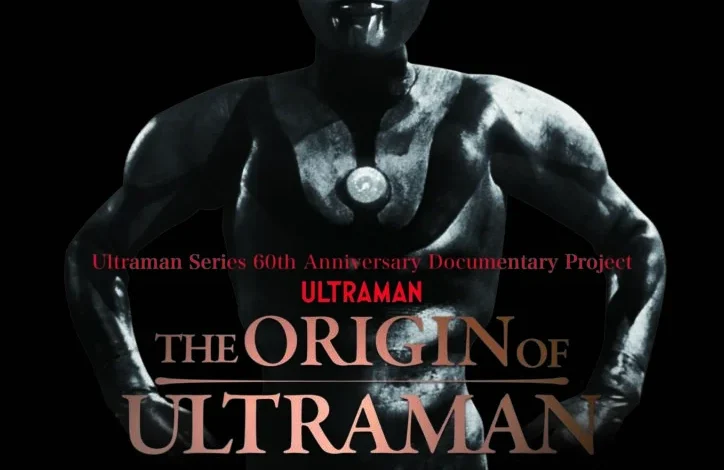
The global celebration of one of science fiction’s most enduring cultural touchstones is expanding significantly as Netflix prepares to welcome a definitive look into the genesis of a multi-billion-dollar franchise. Tsuburaya Productions has confirmed that the feature-length documentary The Origin of Ultraman will premiere globally, including in the United States, on December 2. This high-profile acquisition arrives as a companion piece to the simultaneous streaming debut of two foundational Showa-era cinematic works: Ultraman the Movie (1967) and Ultraman: An Akio Jissoji Film (1979).
Together, these releases represent a comprehensive retrospective tailored for both lifelong enthusiasts and an emerging generation of global audiences. Running for 104 minutes, the documentary transcends a standard chronological Wikipedia-style history lesson, opting instead to function as an analytical love letter, a profound exploration of tokusatsu artistry, and an examination of how a Japanese television hero reshaped global pop culture.
Chronology of a Legacy and Festival Circuit Rollout
The trajectory of The Origin of Ultraman began long before its streaming announcement, tracing a careful path through theatrical exhibition and international film festivals designed to build prestige and critical acclaim. The project was conceived and planned by Palme d’Or-winning auteur Hirokazu Kore-eda, whose involvement signaled an artistic validation of the tokusatsu genre rarely seen in mainstream cinema. Under the direction of Yutaka Nakamura and Kazuki Yoshida, production company SlowHand Corporation crafted the film for Tsuburaya Productions.
Following its initial theatrical release in Japanese cinemas on July 3, the documentary embarked on an international festival tour. Notable stops included a prominent screening at the Fantasia International Film Festival in Montreal, followed by an engagement at Japan House Los Angeles. During these international presentations, figures such as Kore-eda, alongside Ultraman: Rising directors Shannon Tindle and John Aoshima, participated in panel discussions dissecting the timeless resonance of the material. The upcoming December 2 Netflix release marks the final phase of this distribution strategy, bringing the critically lauded project into millions of households across more than 190 countries.
An Interdisciplinary Ensemble of Visionaries
What elevates The Origin of Ultraman from a promotional retrospective into a vital cinematic document is its extraordinary lineup of interview subjects. The production has assembled a cross-disciplinary dream team of filmmakers, designers, authors, and surviving cast members to deconstruct the cultural footprint of the 1966 series.
On the filmmaking front, the documentary features contributions from Academy Award winner Guillermo del Toro, Evangelion creator Hideaki Anno, Shinji Higuchi, and Danish auteur Nicolas Winding Refn. Animation is represented by Shannon Tindle and John Aoshima, bridging the gap between classic tokusatsu and contemporary streaming hits like Ultraman: Rising. Furthermore, the inclusion of Hideo Kojima—the creative mastermind behind video game epics such as Metal Gear Solid and Death Stranding—underscores the profound influence the franchise’s visual motifs and themes have exerted on modern interactive media.
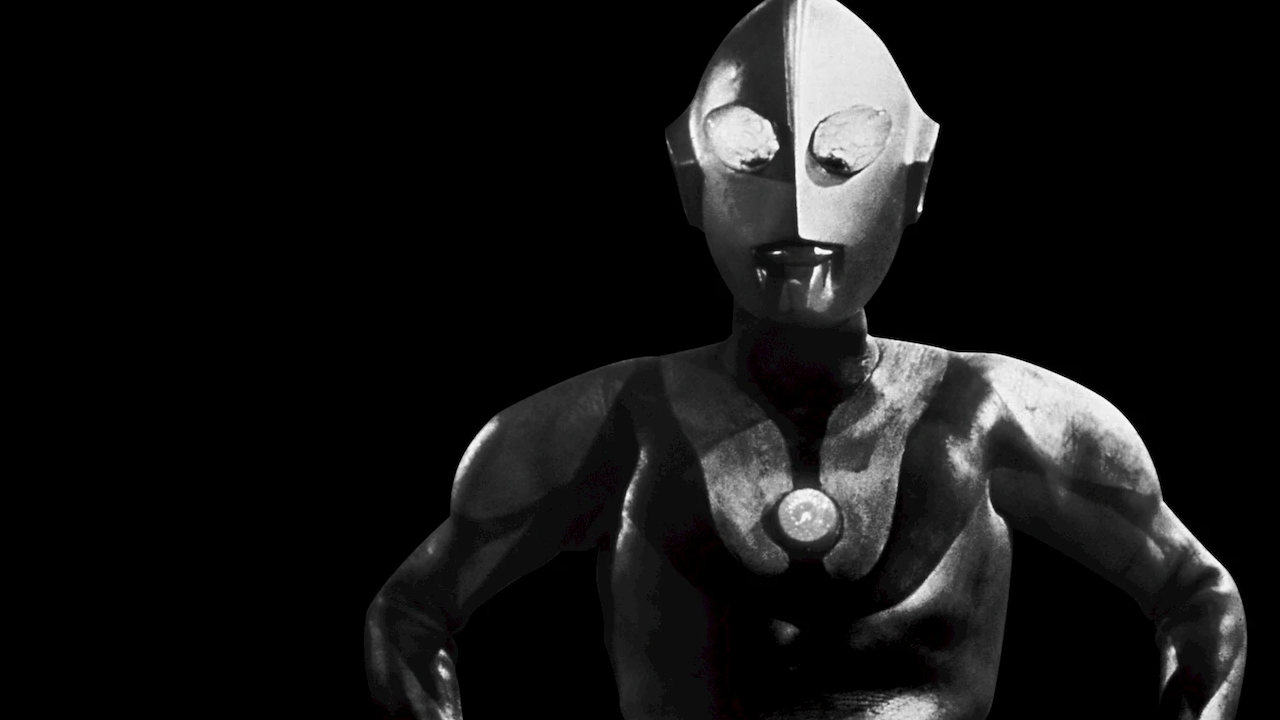
The human element of the 1966 television series is preserved through interviews with original cast members, including Susumu Kurobe (who portrayed iconic protagonist Hayata), Hiroko Sakurai, and Sandayū Dokumamushi. Their recollections are complemented by archival insights from the family of Tohl Narita, the visionary artist responsible for designing Ultraman and his legendary gallery of kaiju adversaries. At the heart of the documentary is an extensive dialogue between Kore-eda and del Toro, wherein the two acclaimed directors dissect specific episodes that shaped their artistic sensitivities. Del Toro’s enthusiasm was further demonstrated when he recorded a dedicated video message for Japanese audiences, culminating in a personal tribute to Kore-eda.
Deconstructing the Worldview of 1966 Tokusatsu
At its core, The Origin of Ultraman addresses a deceptively complex question: what makes Ultraman an eternal icon? According to production notes and regional reporting from outlets such as MANTANWEB and SciFi Japan, the documentary delves deeply into the unique philosophical worldview established by Eiji Tsuburaya and his production team in 1966.
Unlike many Western monster-of-the-week formats of the era, the original Ultraman series afforded its kaiju adversaries equal narrative weight, complex backstories, and sophisticated visual design. The documentary explores how Tsuburaya’s pioneering practical effects—combining miniatures, suitmation, and optical effects—laid the groundwork for modern special effects artistry. Archival treasure troves form a significant portion of the runtime, featuring rare behind-the-scenes footage of Eiji Tsuburaya actively directing his crew on set. This focus on craftsmanship provides viewers with a masterclass in mid-century television production under immense time and budgetary constraints.
Broader Industry Implications and Streaming Strategy
Netflix’s strategic acquisition of The Origin of Ultraman, alongside the historic Showa-era films, highlights a calculated shift toward building comprehensive franchise hubs on the platform. By pairing contemporary adaptations like Ultraman Rising with historical preservation projects, the streaming giant is effectively cultivating cross-generational fandom.
For the Japanese entertainment industry, international streaming distribution via platforms like Netflix offers an unprecedented mechanism for soft power projection and intellectual property monetization. Documentaries of this caliber serve a dual purpose: they validate niche cinematic histories for mainstream audiences while providing invaluable academic and archival preservation. As institutions like Japan’s National Film Archive—represented in the film by Hidenori Okada—continue to collaborate with commercial entities, the history of tokusatsu is increasingly recognized as a vital component of global film history.
When The Origin of Ultraman premieres on December 2, it will offer viewers far more than a nostalgia trip. It stands as a rigorous, beautifully curated examination of imagination, technical innovation, and the universal appeal of a silver-and-red giant who continues to stand watch over popular culture sixty years after his debut.
Related posts: