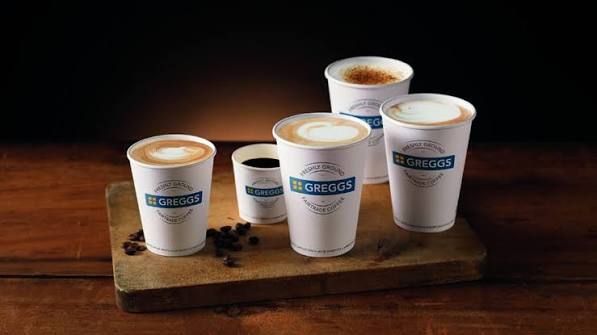
The latest findings from the Allegra World Coffee Portal’s Project Café UK 2026 report confirm that the bakery giant, historically known for its sausage rolls and steak bakes, has successfully pivoted to become the country’s dominant coffee purveyor. With 2,737 outlets, Greggs has nudged ahead of Costa Coffee, which operates 2,707 locations. This milestone marks a significant departure from the traditional dominance of dedicated coffee chains and highlights the increasing blurring of lines between food-to-go retailers and specialty beverage outlets.
A Strategic Pivot in the Retail Landscape
The rise of Greggs is not a sudden phenomenon but the culmination of a multi-year strategy aimed at capturing the lucrative morning commute and lunchtime coffee market. By aggressively expanding its physical footprint and upgrading its beverage offering, Greggs has capitalised on the consumer demand for convenience and value.
For years, the UK branded coffee market was synonymous with the "Big Three": Costa Coffee, Starbucks, and Caffè Nero. These chains established the coffee shop as a "third space"—a destination for socialising and remote work. However, the post-pandemic economic environment, characterised by rising inflation and cost-of-living pressures, has shifted consumer priorities. Value has become the primary driver of purchase decisions, allowing food-focused retailers to capture market share from traditional premium coffee houses.
The Growth Trajectory: A Chronology of Expansion
Greggs’ ascent to the top of the leaderboard is underpinned by a rigorous and disciplined expansion strategy. By the conclusion of the first half of 2026, the company had grown its estate to 2,773 locations, bolstered by the opening of 34 new shops in the first six months of the year alone.
This physical expansion has been matched by a concerted effort to enhance the quality and variety of the Greggs coffee menu. The retailer has moved beyond basic drip coffee, introducing trendy items such as iced matcha lattes and investing in high-quality bean-to-cup machines. These menu developments are designed to compete directly with the artisanal offerings of high-street coffee shops while maintaining a price point that remains significantly more accessible to the average consumer.
In contrast, Costa Coffee has remained a stalwart of the UK high street, maintaining a massive, well-recognised brand presence. While it has lost the top spot in terms of sheer outlet numbers, the company continues to invest heavily in its infrastructure. Recent efforts have included comprehensive store refurbishments, the introduction of new, modern store formats, and menu innovation. Notably, in July 2026, Costa reintroduced scones to its menu after a five-year hiatus, packaged as part of an "Afternoon Bundle" that includes a hot or iced drink. This move was widely interpreted as an attempt to reclaim the "experience-led" market that differentiates coffee houses from fast-food bakeries.
Market Data and Financial Performance
The broader UK branded coffee shop market remains robust, demonstrating resilience despite macroeconomic headwinds. According to the Allegra report, the market grew by 3.5 per cent during 2025, reaching a total of 12,313 outlets. Sales growth was even more pronounced, rising 5.5 per cent to £6.8bn.
Greggs’ financial health reflects this positive industry momentum. For the first half of 2026, the company reported total sales of £1.1bn, representing a 7.2 per cent year-on-year increase. Like-for-like sales in company-managed shops saw a steady rise of 2.1 per cent. Looking ahead, the company has set an ambitious target of 100 to 110 net new openings for the remainder of 2026, with a long-term goal of reaching at least 3,500 locations across the United Kingdom.
Costa Coffee, while facing stiffer competition, also maintains a strong financial position. The chain reported revenue of £1.74bn in 2025, reflecting a 3.5 per cent increase. While this growth is steady, it highlights the challenge faced by traditional chains in a market where consumers are increasingly opting for "grab-and-go" efficiency over the traditional café experience.
The "Value-First" Consumer Shift
Market analysts suggest that the shift in leadership is indicative of a broader transformation in how UK consumers interact with coffee. The "coffee-plus-food" model, perfected by Greggs, is proving more effective at capturing the budget-conscious consumer than the "coffee-plus-atmosphere" model of traditional chains.
For the modern consumer, coffee is often a utilitarian commodity rather than a lifestyle experience. Greggs has successfully leveraged its existing infrastructure—baking fresh products on-site—to provide a bundled service that appeals to busy commuters. By offering a breakfast deal that includes a coffee and a sandwich at a price point that traditional coffee shops struggle to match, Greggs has effectively turned every new shop opening into a new competitor in the beverage space.
Implications for the Industry
The displacement of Costa Coffee by Greggs is likely to trigger a period of intense reflection among other major coffee chains. Industry experts expect to see an increase in "defensive innovation" from traditional players. This may involve:
- Aggressive Value Propositions: Expect to see more loyalty-based discounting, meal deals, and bundled offers from chains like Starbucks and Caffè Nero as they attempt to win back price-sensitive customers.
- Strategic Real Estate Reviews: With Greggs focusing on high-footfall, transport-hub, and suburban locations, other chains may need to reconsider their own site selection strategies to ensure they are not being squeezed out of prime areas.
- Digital Integration: As Greggs continues to integrate its offerings with delivery platforms like Just Eat, other coffee chains will likely accelerate their investment in mobile ordering and delivery-only formats to reach consumers who are no longer walking into stores.
- Premiumisation of the Experience: To counter the "convenience" narrative of Greggs, premium chains may double down on the "third space" concept, focusing on high-end store aesthetics, sustainable sourcing, and unique, artisanal menu items that a mass-market bakery cannot easily replicate.
Official Responses and Future Outlook
While neither Greggs nor Costa have issued formal statements lamenting or celebrating the change in rankings, the companies’ respective investor presentations provide a clear picture of their future outlooks. Greggs has made no secret of its expansionist ambitions, repeatedly stating that it sees significant "white space" in the UK market for further growth. Their focus remains on operational efficiency and maintaining the price-to-quality ratio that has made them a household name.
Costa Coffee, owned by the Coca-Cola Company since 2019, remains focused on long-term sustainability and brand loyalty. Its strategy involves leveraging its global supply chain and the strength of the Costa brand to maintain its position as the premium leader in the UK coffee market. The company’s investments in its "Costa Express" automated kiosks also suggest a desire to compete in the convenience space without the overheads associated with full-service coffee shops.
As 2026 progresses, the rivalry between the two is set to intensify. Whether Greggs can maintain its lead will depend on its ability to continue scaling its operations without diluting the quality of its brand, while Costa’s success will depend on its ability to remind consumers why a dedicated coffee shop remains a vital part of the British social fabric.
Conclusion
The crowning of Greggs as the UK’s largest branded coffee shop operator is a definitive moment in the history of British retail. It serves as a reminder that consumer preferences are fluid and that established market leaders must constantly innovate to remain relevant. While the coffee shop market as a whole continues to grow, the battle for the consumer’s wallet is increasingly being fought on the grounds of convenience, value, and accessibility. As the industry looks toward 2027 and beyond, the competition between the bakery-turned-coffee-giant and the traditional coffee house will undoubtedly continue to shape the UK’s high streets, providing a fascinating case study in retail evolution.