From the Gold Rush to the Algorithm: How Two Decades of Search Marketing Shaped the Digital Economy

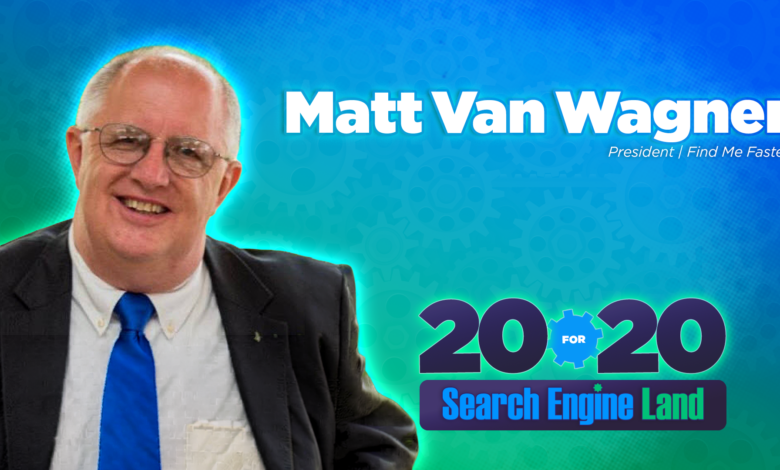
The search marketing industry has undergone a seismic shift, evolving from a speculative entrepreneurial frontier in the early 2000s into a highly automated, consolidated ecosystem dominated by machine learning and AI. As the digital landscape matured, the fundamental relationship between advertisers, search engines, and the agencies that manage the bridge between them has been irrevocably altered. Paid search veteran Matt Van Wagner, a long-time observer and participant in this evolution, provides a critical look at the history of Google Ads, the rise of specialized industry journalism, and the persistent tension between the commercial incentives of tech giants and the performance requirements of businesses.
The Dawn of the Search Era: A Gold-Rush Mentality
In the early 2000s, traditional marketing channels—including direct mail, print trade publications, and industry conferences—were experiencing diminishing returns. For professionals like Van Wagner, the emerging field of search engine marketing offered a stark alternative. It was an era defined by a "gold-rush" mentality, where the primary barrier to entry was not capital, but knowledge.
During this period, businesses were largely unaware of the potential of search advertising. Early practitioners were essentially pioneers, evangelizing a medium that allowed for precise, intent-based targeting. Because the market was expanding at a rapid pace, the atmosphere among early agencies was remarkably collaborative. There was a sense that the total addressable market was growing fast enough to support all participants, leading to a professional culture defined by information sharing and communal problem-solving rather than cutthroat competition.
A Chronology of Industry Transformation
The evolution of the industry can be traced through several defining moments that forced practitioners to adapt their strategies:
- The Early 2000s: The inception of Google AdWords. Search marketing was highly manual, requiring granular management of keywords, ad groups, and manual bidding.
- 2003 (The Florida Update): A watershed moment for search engine optimization (SEO). Google’s "Florida" algorithm update decimated the rankings of many businesses that relied on aggressive, non-standard optimization tactics, effectively wiping out millions in potential revenue overnight. This event served as a wake-up call for the industry, cementing paid search as an "insurance policy" against the volatility of organic search rankings.
- 2007: The founding of Search Engine Land and the SMX conference series. These platforms filled a critical void in industry education, moving away from repetitive "101" level content to deep-dive technical discussions that elevated the professional standards of the field.
- 2010: The release of "Google Instant," which demonstrated the power of product publicity. Google proved that it could dictate the news cycle by integrating product changes directly into the user experience, often overshadowing competitors like Microsoft’s Bing, which relied on more traditional advertising expenditures.
- 2015–Present: The transition to AI-driven automation. Google began phasing out granular control mechanisms, such as strict match-type adherence and single-keyword ad groups, replacing them with automated bidding and broad-match defaults.
The Myth of the "Number One" Position
During the early stages of the industry, a common misconception permeated the professional community: the idea that the "Number One" ad position was the ultimate indicator of success. Advertisers frequently engaged in bidding wars, willing to pay exorbitant cost-per-click (CPC) rates purely for the prestige of the top spot.
However, as the industry matured, analytical focus shifted toward profitability and measurable business outcomes rather than vanity metrics. Sophisticated agencies began to realize that the economic "sweet spot" for performance was often found in the second or third position, where conversion costs were lower and margins were healthier. This shift represented the industry’s transition from a branding-heavy mindset to a data-driven, performance-based discipline.
The Tension Between Platform Incentives and Advertiser Objectives
A central theme in the current state of search marketing is the growing misalignment between the goals of search engines and the goals of advertisers. While Google’s mission is to provide high-quality results, it is also a commercial entity with a mandate to increase advertising revenue.
Van Wagner notes that this inherent conflict of interest necessitates a skeptical approach to platform recommendations. When Google suggests automated campaign settings or "smart" bidding, it is often optimizing for volume and platform engagement. Advertisers, conversely, are optimizing for ROI and sustainable business growth. The industry has reached a point where "recommended" settings from a platform should be treated as suggestions rather than objective mandates.
The widespread adoption of broad-match as a default setting is a primary point of friction. Critics argue that forcing advertisers to rely on broad-match systems often results in wasted spend, as the system must "re-learn" information that the advertiser already possesses. In a more efficient model, automation would be capable of integrating the advertiser’s existing, proprietary knowledge—such as known irrelevant queries—without forcing the business to pay for the "privilege" of teaching the algorithm that information.
The Role of Industry Journalism
As the industry became more complex, the role of independent journalism became increasingly vital. Search Engine Land, along with other specialized outlets, provided a necessary counterweight to the official messaging disseminated by Google and Microsoft.
This independent oversight is crucial for a healthy ecosystem. By questioning platform changes and advocating for transparency, journalists have helped hold tech giants accountable for updates that can drastically impact small-to-medium-sized businesses. The editorial independence of these publications allows for a candid examination of platform behavior, ensuring that practitioners can distinguish between genuine technological improvements and changes driven primarily by corporate revenue targets.
The Human Element in the Age of AI
Despite the rapid encroachment of automation, the human element remains a cornerstone of successful search marketing. The ability to interpret data, identify genuine business constraints, and admit to strategic errors remains a uniquely human skill.
Van Wagner points out that the industry is still plagued by a tendency to over-complicate failures. When a campaign underperforms, there is a historical impulse to invent elaborate, technical justifications rather than admitting simple human error—such as a misplaced negative keyword or an incorrect budget setting. A culture of accountability, where practitioners identify and rectify mistakes quickly, is arguably more valuable in the current era of high-speed automation than it was in the manual era.
Furthermore, the influence of individuals within these tech giants, such as Google Ads Liaison Ginny Marvin, has served as a critical bridge. Having spent years in the trenches of the advertising industry, such individuals are uniquely positioned to represent the frustrations and requirements of marketers back to the engineers building the algorithms.
Looking Toward the Future
As the search industry moves forward, the trend toward consolidation is unlikely to reverse. Advertisers must accept that they will not regain the granular control they once held over their campaigns. However, the requirement for deep strategic knowledge has not vanished; it has merely migrated.
Modern practitioners must focus on feeding high-quality, verified data into automated systems while maintaining a vigilant oversight of the platform’s objectives. The history of the industry shows that those who adapt to technological shifts while maintaining an independent, critical perspective are the ones who survive the volatility. Whether through algorithm updates or the total overhaul of bidding mechanics, the core necessity remains the same: businesses must prioritize their own definition of success, rather than blindly following the path of least resistance provided by the platforms themselves.
The era of the "gold rush" may be over, replaced by a sophisticated, albeit more opaque, infrastructure. Yet, for the savvy marketer, the opportunity to generate measurable business value remains as significant as it was twenty years ago—provided they remain in the driver’s seat of their own strategy.