DirecTV and Dish Network to Merge in Landmark Deal as AT&T Exits the Pay-TV Market

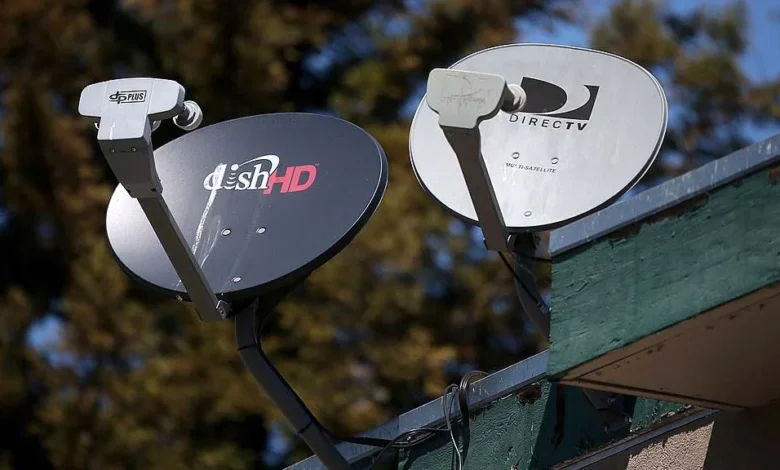
In a transformative move for the American media landscape, DirecTV has announced a definitive agreement to acquire EchoStar’s video distribution business, including Dish TV and the streaming service Sling TV, in a transaction that effectively consolidates the nation’s two largest satellite television providers. Under the terms of the agreement, DirecTV will pay a nominal purchase price of $1.00 while assuming approximately $9.75 billion of Dish Network’s existing debt. This merger, which has been the subject of industry speculation for over two decades, marks the end of an era for independent satellite television as the industry grapples with the systemic shift toward digital streaming services. Simultaneously, the telecommunications giant AT&T has confirmed it will sell its remaining 70% stake in DirecTV to the private equity firm TPG Inc., which currently holds a 30% interest, for roughly $7.6 billion. This secondary transaction will result in TPG becoming the sole owner of the newly unified entity.
The consolidation creates a pay-TV powerhouse with a combined subscriber base of approximately 20 million users. While this figure positions the new DirecTV as the largest single pay-TV provider in the United States, it comes at a time when both companies are facing significant headwinds from "cord-cutting." Over the last decade, millions of consumers have migrated from traditional linear television packages to on-demand streaming platforms such as Netflix, Disney+, and YouTube TV. By merging, DirecTV and Dish hope to achieve the scale necessary to negotiate more favorable carriage deals with content programmers and streamline operational costs to survive in an increasingly hostile market environment.
The Financial Architecture of the Transaction
The deal is structured as a complex debt-for-equity exchange designed to alleviate the significant financial pressure on EchoStar, the parent company of Dish Network. EchoStar has faced mounting concerns regarding its ability to service its debt while simultaneously funding the build-out of its 5G wireless network. To facilitate the merger, TPG Angelo Gordon, along with other co-investors and DirecTV, has provided $2.5 billion in financing to fully refinance Dish DBS’s debt maturity scheduled for November 2024.
A critical component of the deal’s success hinges on a debt exchange offer. DirecTV has launched an exchange for the outstanding notes of Dish DBS, requiring bondholders to accept a "haircut" or a reduction in the principal value of their holdings. This move is intended to ensure the long-term viability of the combined company by reducing the overall interest burden. If the debt exchange is not successfully completed, the merger remains subject to termination.
For AT&T, the sale of its stake to TPG represents a final exit from a business segment that proved costly. AT&T originally acquired DirecTV in 2015 for $48.5 billion (or $67 billion including debt) at the peak of the pay-TV market. However, the subsequent rise of streaming services led to a rapid decline in satellite subscribers, forcing AT&T to spin off the unit into a joint venture with TPG in 2021. The total cash payments AT&T expects to receive from TPG through 2029 will help the telecom giant further reduce its own corporate debt and focus on its core fiber and 5G wireless businesses.
Historical Context: A Two-Decade Pursuit of Consolidation
The merger of DirecTV and Dish Network is a deal twenty years in the making. In 2002, the two companies attempted a $26 billion merger that was ultimately blocked by the Federal Communications Commission (FCC) and the Department of Justice (DOJ). At that time, regulators argued that a merger would create a monopoly in the satellite television market, particularly in rural areas where cable television was not an option. The government contended that the lack of competition would lead to higher prices for consumers and less innovation in the sector.
The media landscape of 2024, however, bears little resemblance to that of 2002. The emergence of high-speed broadband and the proliferation of streaming services have introduced a level of competition that did not exist two decades ago. Today, satellite providers compete not just with each other or cable companies like Comcast and Charter, but with tech giants like Google (YouTube TV), Amazon, and Apple. This competitive shift is expected to be a primary argument presented to regulators to justify the merger today. Proponents argue that without this consolidation, both DirecTV and Dish might eventually face insolvency, leaving consumers with even fewer choices.
Strategic Rationale and Operational Synergies
The primary driver behind the merger is the pursuit of operational efficiency. Bill Morrow, the CEO of DirecTV, who will lead the combined company alongside CFO Ray Carpenter, emphasized that the merger is about more than just survival; it is about reinventing the value proposition of pay-TV.
"DirecTV operates in a highly competitive video distribution industry," Morrow stated. "With greater scale, we expect a combined DirecTV and Dish will be better able to work with programmers to realize our vision for the future of TV, which is to aggregate, curate and distribute content tailored to customers’ interests."
The combined company estimates it can generate at least $1 billion in annual cost synergies. These savings are expected to be fully realized by the third year following the deal’s closing, which is currently targeted for late 2025. The synergies will likely come from several areas:
- Reduced Overlap: Consolidation of back-office operations, customer service centers, and marketing efforts.
- Hardware and Logistics: Streamlining the supply chain for satellite dishes, set-top boxes, and installation services.
- Programming Costs: Enhanced leverage when negotiating carriage agreements with major media conglomerates like Disney, NBCUniversal, and Warner Bros. Discovery.
The Rise of Streaming and the Decline of Satellite
The merger is a defensive response to the staggering decline of traditional pay-TV. At its peak around 2014, the pay-TV industry boasted over 100 million subscribers. Today, that number has plummeted to roughly 70 million and continues to fall at a rate of approximately 7% to 10% annually.
Data from industry analysts indicates that Dish Network has been particularly hard hit. While Dish was an early innovator with the launch of Sling TV in 2015—the first major "skinny bundle" streaming service—the growth of Sling has not been enough to offset the losses from its core satellite business. Similarly, DirecTV has struggled to maintain its premium brand status as consumers opt for cheaper, more flexible streaming options.
The combined entity will now hold a roughly 30% share of the remaining pay-TV market. However, the competitive threat from "Virtual Multichannel Video Programming Distributors" (vMVPDs) remains potent. YouTube TV, owned by Alphabet, recently surpassed 8 million subscribers, making it one of the largest pay-TV providers in the country and a direct competitor to both DirecTV and Sling TV.
Regulatory Outlook and Potential Hurdles
While the competitive landscape has changed significantly since 2002, the merger still faces a rigorous review process by the DOJ and the FCC. Regulators will likely focus on two main areas:
- Rural Impact: In certain remote areas of the United States where high-speed internet is still unavailable, satellite remains the only viable way to receive television programming. Regulators will want to ensure that rural consumers are not subjected to predatory pricing once the two main satellite competitors become one.
- Programming Leverage: There may be concerns regarding whether a 20-million-subscriber entity would have too much power over smaller, independent networks, potentially making it harder for diverse voices to find a platform.
However, many industry experts believe the deal will pass. The argument that these companies are "failing firms" or operating in a "sunset industry" is a powerful legal defense. If the government believes that Dish or DirecTV cannot survive independently in the long term, they are more likely to allow the merger to proceed to preserve some level of service for existing customers.
Implications for Consumers and the Media Industry
For the average consumer, the immediate impact of the merger may be minimal, but the long-term effects could be significant. A unified DirecTV-Dish could lead to a more simplified user experience, potentially integrating Sling TV’s technology into a more robust streaming platform that complements the satellite service. Furthermore, the increased bargaining power of the combined company could, in theory, help slow the rapid rise of cable and satellite bills by keeping programming costs in check, though history suggests these savings are not always passed on to the consumer.
For the broader media industry, this merger signals a consolidation of the "old guard." As content creators like Disney and Paramount shift their focus to their own direct-to-consumer apps, the role of the "aggregator" (the company that bundles these channels) is being redefined. DirecTV’s stated goal of becoming a premier content curator suggests that the company wants to move away from being just a "pipe" for satellite signals and toward being a sophisticated software platform that helps users navigate a fragmented streaming world.
Timeline of Key Events
The path to this merger has been marked by several pivotal moments in the telecommunications and media sectors:
- 2002: The FCC blocks the first merger attempt between EchoStar (Dish) and DirecTV.
- 2015: AT&T acquires DirecTV for $48.5 billion, aiming to create a cross-platform media empire.
- 2015: Dish launches Sling TV, pioneering the live-TV streaming model.
- 2021: AT&T, facing massive debt and declining satellite subs, spins off DirecTV into a joint venture with TPG, valuing the company at just $16.25 billion.
- 2023: EchoStar and Dish Network announce a merger to reunite Charlie Ergen’s empire and focus on 5G wireless.
- September 2024: DirecTV announces the acquisition of Dish and Sling TV, while TPG agrees to buy out AT&T’s remaining stake.
As the deal moves toward a projected 2025 closing, all eyes will be on the federal regulators and the bondholders. The success of this merger will likely determine whether satellite television remains a viable component of the American media mix for the next decade or if it will become a niche service for a dwindling audience. For now, the agreement stands as a stark admission that in the age of the internet, even the former giants of the airwaves must join forces to survive.