Coinbase AI intervention saves 4.7 million dollars from sophisticated Elon Musk deepfake cryptocurrency scam

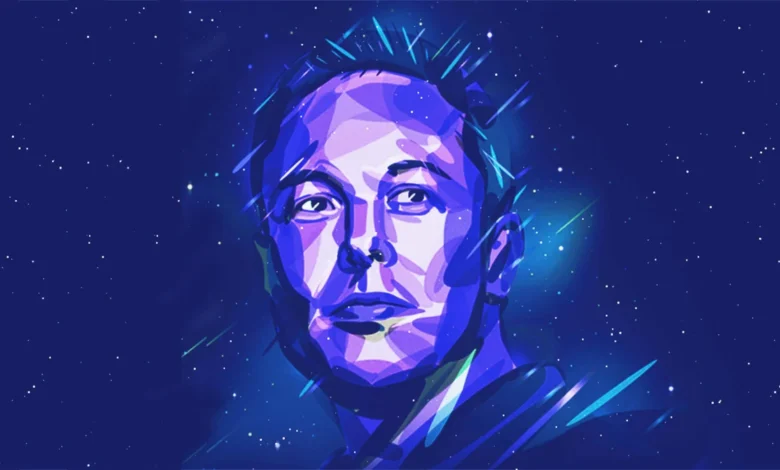
In a landmark demonstration of the efficacy of automated threat detection, cryptocurrency exchange Coinbase successfully intercepted $4.7 million in fraudulent transfers during a high-profile cyberattack. The incident, which targeted unsuspecting investors through a meticulously crafted deepfake of Elon Musk, highlights the escalating dangers of AI-driven social engineering in the digital asset landscape. While the livestream event lured over 500,000 viewers, the exchange’s machine learning infrastructure prevented a catastrophic financial loss by identifying and blocking 91% of attempted fraudulent transactions.
Anatomy of the Tesla Deepfake Campaign
The scam was executed with high production value, coinciding with a legitimate demonstration of Tesla’s experimental "flying car" technology. Capitalizing on the public’s high level of interest in Tesla’s innovation, malicious actors deployed a fraudulent YouTube livestream that mimicked a legitimate corporate broadcast. The stream featured a high-fidelity, AI-generated likeness of Elon Musk, who appeared to announce a "cryptocurrency giveaway" event.
The core of the deception involved a classic "doubling" scheme: viewers were instructed to send their cryptocurrency to a specific wallet address displayed via a QR code on the screen, with the false promise that the company would return twice the amount to the sender. By leveraging the authority associated with Musk’s public image and the urgency of a live product launch, the perpetrators created a psychological pressure cooker that compelled hundreds of users to bypass their typical skepticism.
The Challenge of Voluntary Fraud
Unlike conventional cyberattacks, where malicious actors compromise credentials or bypass two-factor authentication, this campaign relied entirely on user-initiated transactions. Because the victims were fully logged into their accounts and authorized the transfers voluntarily, traditional security measures designed to detect unauthorized access proved largely ineffective.
From the perspective of standard security protocols, these transactions appeared legitimate. The user was authenticated, the device was recognized, and the intent—however misguided—originated from the account holder. This nuance represents a significant shift in the threat landscape, as the human element remains the most vulnerable point of failure. Coinbase noted that many of the victims were not novice users, but longtime, experienced investors who were successfully manipulated by the sophistication of the AI-generated imagery.
Chronology of the Intervention
The incident unfolded over a two-hour window, during which the fraudulent livestream reached a peak viewership of over half a million people. As the stream gained traction, the volume of outgoing transactions from Coinbase accounts to the scammers’ wallets surged.
- The Inception: Scammers initiated the livestream, using deepfake technology to impersonate Musk and promote the fake giveaway.
- The Surge: Within minutes, hundreds of Coinbase users began initiating transfers to the provided wallet addresses.
- The Detection: Coinbase’s machine learning models, designed to monitor for anomalous patterns in real-time, flagged the rapid influx of transfers to newly created, suspicious wallet addresses.
- The Intervention: An automated AI agent was deployed to interact with users as they attempted to confirm their transactions. By engaging in a real-time, context-aware dialogue, the AI prompted users to recognize the indicators of fraud—such as the "doubling" promise and the sense of manufactured urgency.
- The Blockade: For 91% of the attempted transactions, the system successfully prevented the funds from leaving the platform, securing $4.7 million in customer assets that would have otherwise been permanently lost to the blockchain.
Technological Resilience: The Role of Machine Learning
The success of this intervention lies in the adaptive nature of Coinbase’s security architecture. The AI agent responsible for the intervention had not been specifically trained on this specific "flying car" deepfake scenario. Instead, it was trained on the broader characteristics of known scam methodologies.
By analyzing the behavioral patterns—specifically the combination of brand impersonation, the promise of immediate financial gain, and the time-sensitive nature of the event—the system could assign a confidence score to each transaction. When the score indicated a high probability of fraud, the agent interrupted the user journey. This intervention provided a "cooling-off" period, forcing users to pause and consider the legitimacy of the request, which proved critical in preventing the final confirmation of the transfer.
Broader Implications for Digital Security
This event serves as a bellwether for the future of online security. As AI tools become more accessible, the barriers to entry for sophisticated social engineering have virtually vanished. A single malicious actor can now generate high-quality video, audio, and text, reaching massive audiences with minimal investment.
The reliance on human judgment as a primary security layer is increasingly untenable. When trusted figures can be convincingly deepfaked, the "see it to believe it" heuristic is no longer a valid security standard. The industry is now entering an era where platform-level intervention—automated, instantaneous, and intelligent—is the only viable defense against large-scale, coordinated social engineering.
Furthermore, this incident underscores the limitations of blockchain technology in the context of fraud. Because cryptocurrency transactions are inherently irreversible once confirmed on the ledger, there is no "undo" button for a victim who has been misled. This reality places a disproportionate amount of responsibility on exchanges and custodians to implement proactive, rather than reactive, defenses.

The Persistent Threat of "Musk-themed" Fraud
The use of Elon Musk’s likeness in crypto-scams is a recurring phenomenon that has plagued the industry for years. Fraudsters have previously exploited the billionaire’s profile to infiltrate verified social media accounts, disseminate mass emails, and flood platforms like TikTok with "get-rich-quick" schemes.
Previous campaigns have resulted in significant losses. In one notable instance, the hijacking of multiple verified Twitter (now X) accounts led to the theft of over $580,000 in a single week. These campaigns often follow a predictable lifecycle: they identify a trending topic, create a sense of urgency through a fake event, and use deepfakes to establish a veneer of legitimacy.
Recommendations for Investors
While platforms are making strides in AI-driven protection, the complexity of these scams necessitates a proactive stance from the user base. Experts recommend the following best practices to mitigate the risk of falling victim to AI-driven fraud:
- Verify Through Official Channels: Any claim of a "giveaway" or investment opportunity involving a high-profile figure should be independently verified via the official social media accounts or corporate websites of the entities involved.
- Ignore Unsolicited Urgency: Scams almost always rely on manufactured urgency. If an offer requires immediate action, it is highly likely to be fraudulent.
- Maintain Skepticism Regarding "Doubling" Offers: Legitimate businesses, including Tesla or major cryptocurrency exchanges, do not operate schemes where users are asked to send funds to a wallet with the promise of receiving more back.
- Monitor for Deepfake Indicators: While current deepfakes are sophisticated, they often exhibit minor artifacts, such as unnatural blinking, lip-syncing inconsistencies, or glitches in the background.
Conclusion
The incident at Coinbase serves as a definitive case study in the power of defensive AI. By stopping $4.7 million in potential losses, the company demonstrated that while human psychology remains a vulnerability, technological gatekeeping can provide a robust defense. However, as AI technology evolves, so too will the methods of attackers. The cat-and-mouse game between malicious actors and cybersecurity firms is set to intensify, making the continued investment in, and development of, intelligent, real-time threat detection systems an absolute necessity for the future of global finance. As the digital landscape continues to merge with advanced generative technologies, the ultimate goal remains the same: protecting the user from the invisible, yet highly effective, traps laid by digital impostors.
Related posts: