Cloud Native Without Limits: What Can AI Agents Do for Us and the Future of Autonomous Robotics

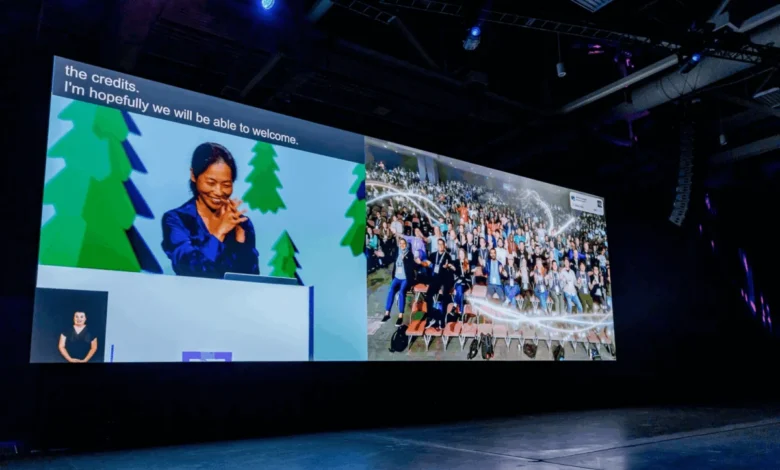
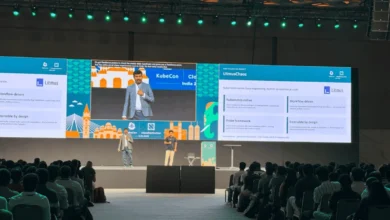
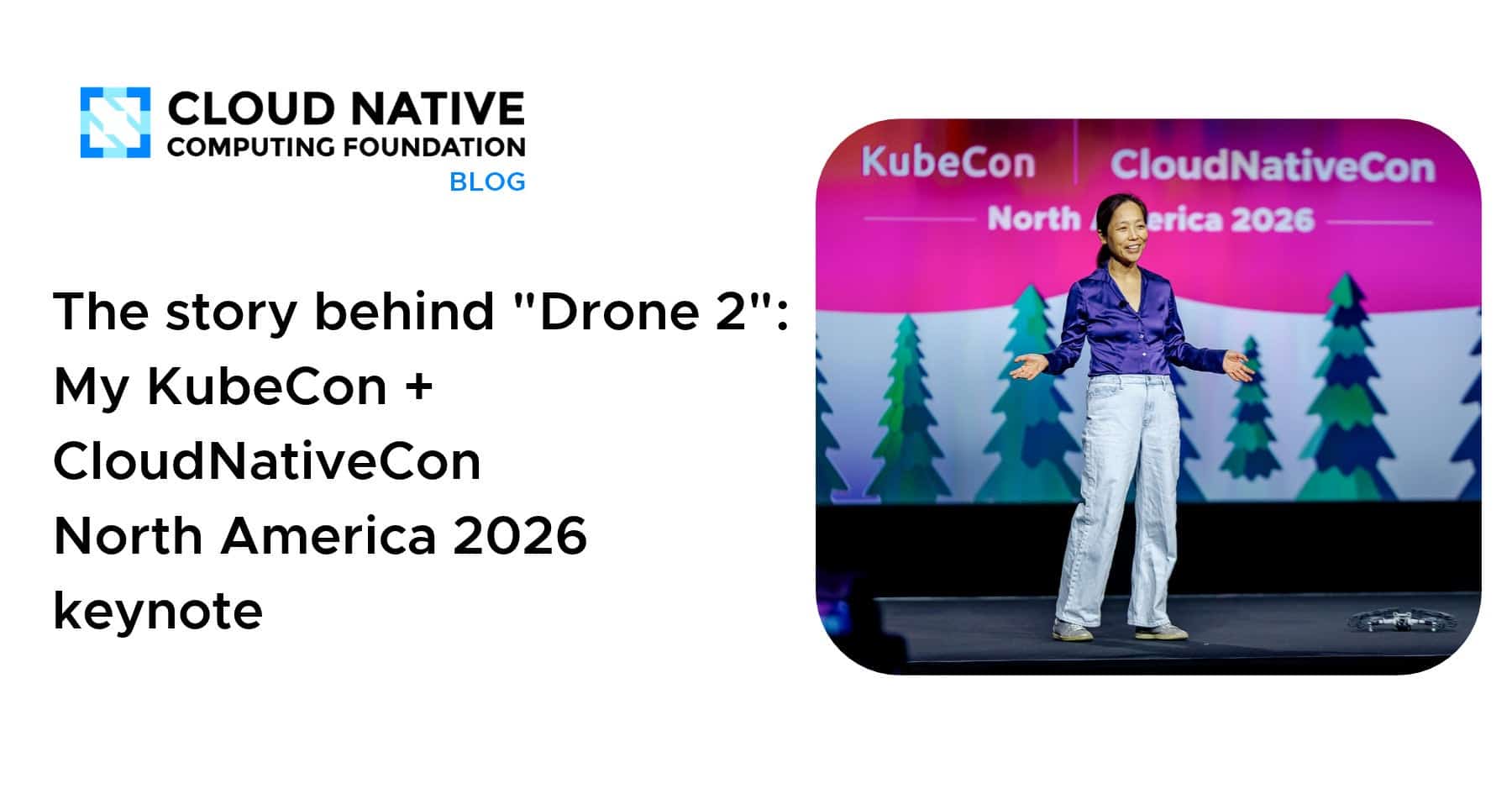
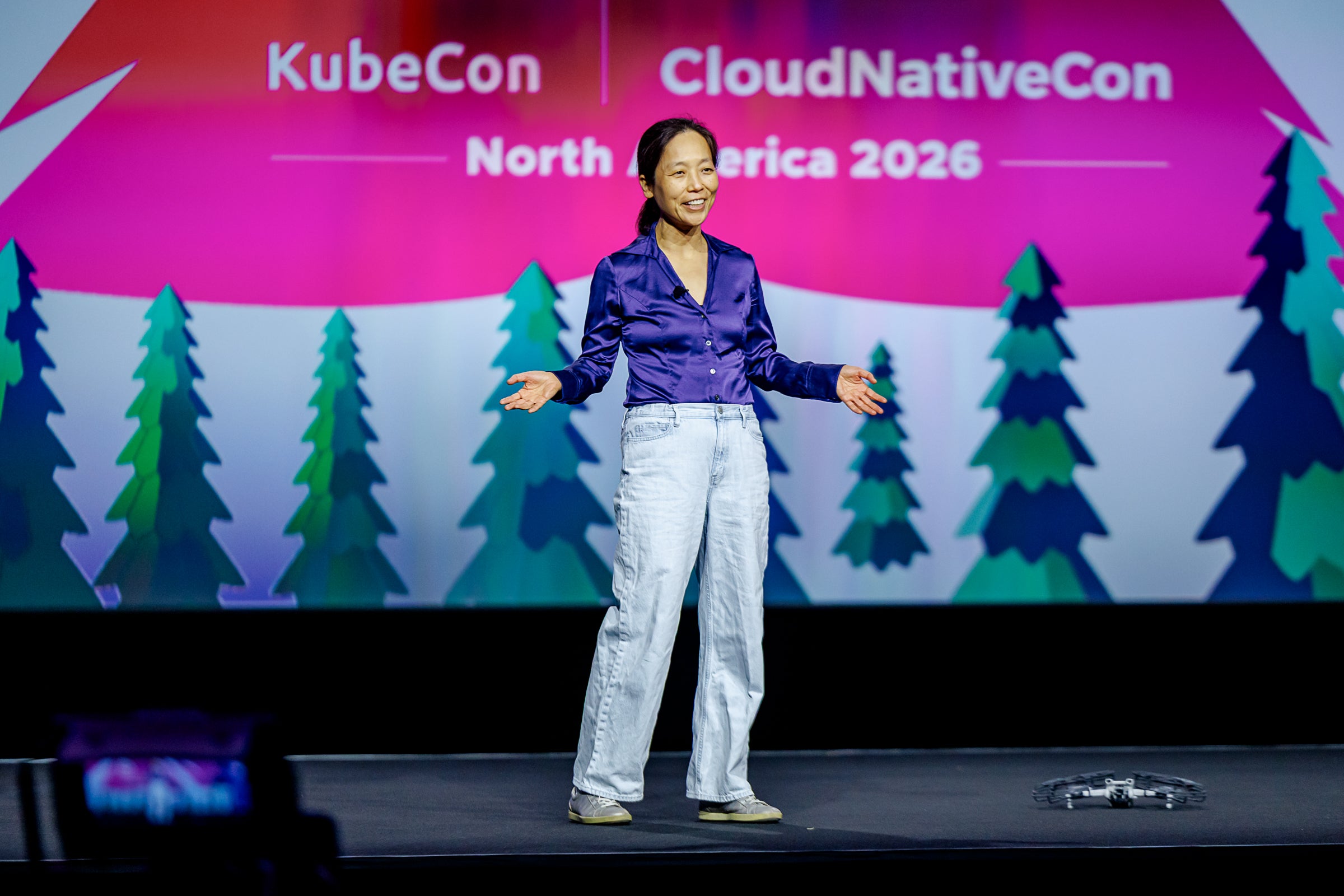
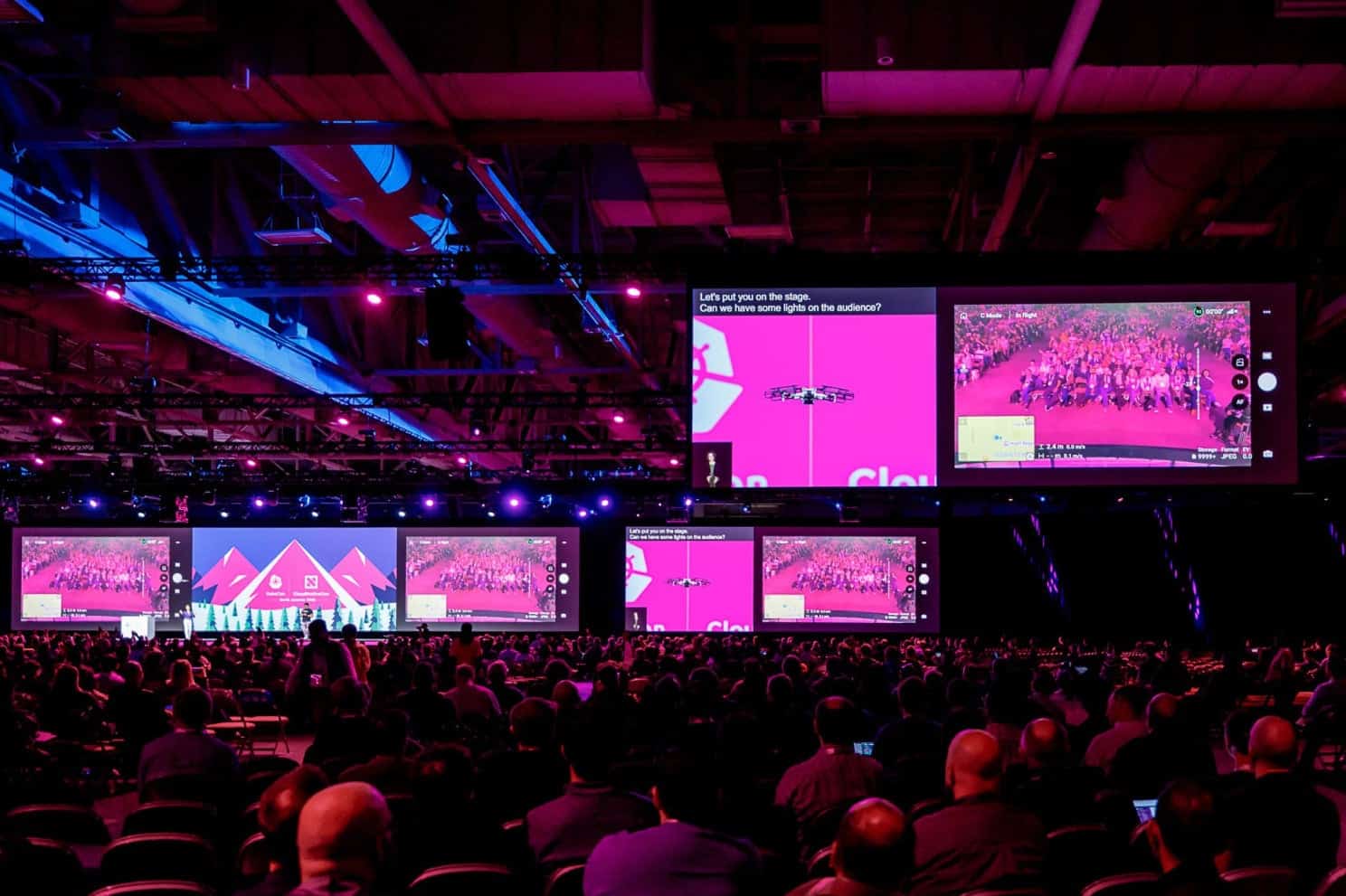
The closing keynote of KubeCon + CloudNativeCon North America 2026, held in Salt Lake City, served as a landmark demonstration of the convergence between cloud-native infrastructure and agentic artificial intelligence. Lin Sun, CNCF Ambassador and co-chair of the event, orchestrated a live, high-stakes demonstration featuring an autonomous drone managed by AI agents—a feat that underscored the evolving capabilities of the Kubernetes ecosystem in handling physical-world automation. This performance, while visually striking, served a deeper technical purpose: illustrating the viability of running complex, real-time AI workloads within a secure, observable, and standardized cloud-native framework.
The Technical Architecture of the Demonstration
At the core of the Salt Lake City demonstration was the integration of several CNCF-hosted projects, specifically designed to bridge the gap between high-level AI reasoning and low-level hardware execution. The demonstration relied heavily on Agent Substrate and Kagent, two projects that provide an opinionated framework for the orchestration of AI agents.
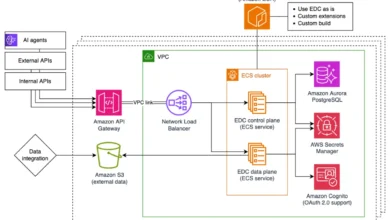
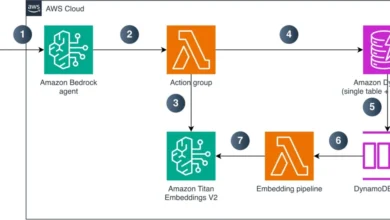
The architecture functioned as an end-to-end pipeline. The user input, processed through an AI model, was translated into actionable commands for the drone. These commands were managed by Agent Gateway, which acted as the central nervous system for the operation, facilitating communication between the AI logic and the physical hardware. Crucially, the team utilized OpenTelemetry and Jaeger to provide granular observability. In a production environment, this is essential for debugging asynchronous agent behaviors; for the keynote, it served to visualize the latency of tool calls, the success rate of agentic decisions, and the resource consumption of the underlying pods.
This technical stack addresses one of the primary hurdles in AI deployment: the "black box" nature of autonomous agents. By applying cloud-native observability patterns, the team demonstrated that even non-deterministic AI processes can be made transparent, auditable, and subject to standard DevOps monitoring practices.
Chronology of an Engineering Challenge
The road to the Salt Lake City stage was paved with iterative failure and regulatory navigation. The project began in earnest following the 2025 KubeCon North America, where the initial concept was proposed to leadership. However, the path was not linear.
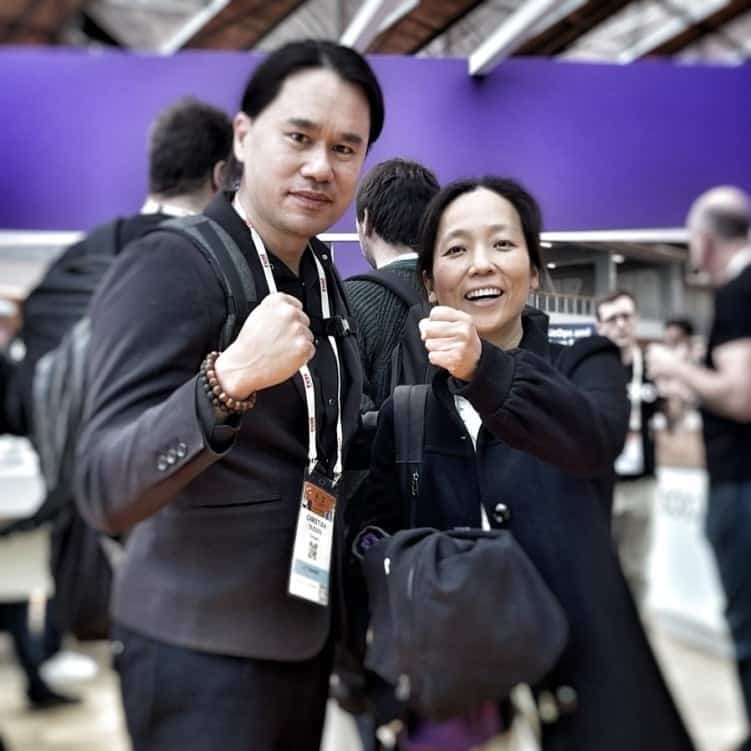
Following a technical setback during the KubeCon Amsterdam keynote—where a camera failure compromised the demonstration—the team adopted a "never give up" ethos, influenced by the martial arts concept of "Osu." This mindset was applied to the rigorous testing phase required for the North American event. In August 2026, the team encountered a significant regulatory hurdle: FAA Part 107 certification was mandated for indoor drone operation at the convention venue. Cory Jett, a key technical collaborator, completed the necessary training and certification within a one-week sprint, a testament to the agility required when merging robotics with software engineering.
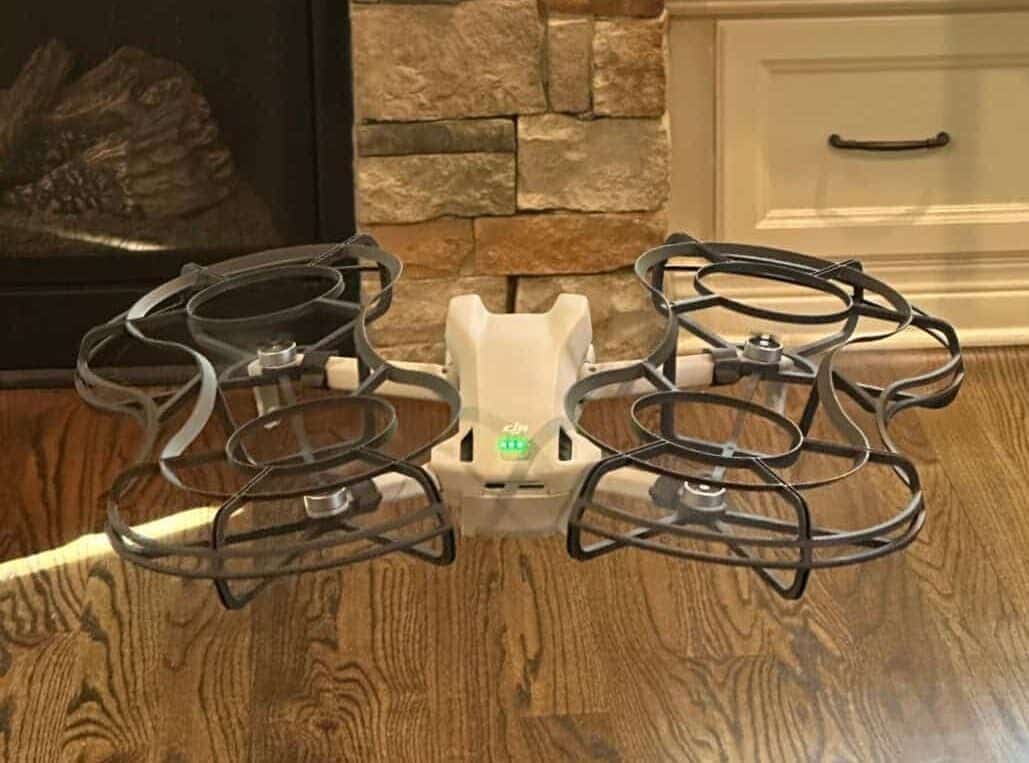
Throughout the autumn of 2026, the team transitioned from conceptual design to simulated flight testing. Using localized environments equipped with safety apparatus like propeller guards, the team debugged the integration between the Kubernetes-based agent controller and the drone’s flight management system. This period of "home lab" testing was critical for establishing the guardrails necessary to ensure that the AI agents operated within safe parameters during the live, high-pressure event.
Industry Implications and the Rise of Agentic AI
The successful execution of the drone demo signals a shift in the cloud-native industry. For much of the last decade, Kubernetes has been synonymous with stateless web services and microservices architecture. The transition toward supporting edge-based, hardware-integrated AI agents represents a broadening of the platform’s scope.
According to industry analysts, the integration of agents into the cloud-native fabric is the next frontier of digital transformation. By utilizing projects like Agent Substrate, developers can treat physical assets—such as drones, IoT sensors, or industrial machinery—as endpoints within a larger cluster. This shift allows for the democratization of robotics, as software engineers can leverage familiar Kubernetes primitives to manage complex, autonomous hardware fleets.
Furthermore, the emphasis on sandboxing and observability suggests a maturing ecosystem. As AI agents become more autonomous, the risk of "runaway" processes increases. The KubeCon demonstration proved that by embedding these agents within a robust observability framework, organizations can maintain control over autonomous systems, preventing failures and ensuring compliance with both technical and safety standards.
Collaborative Development and Community Feedback
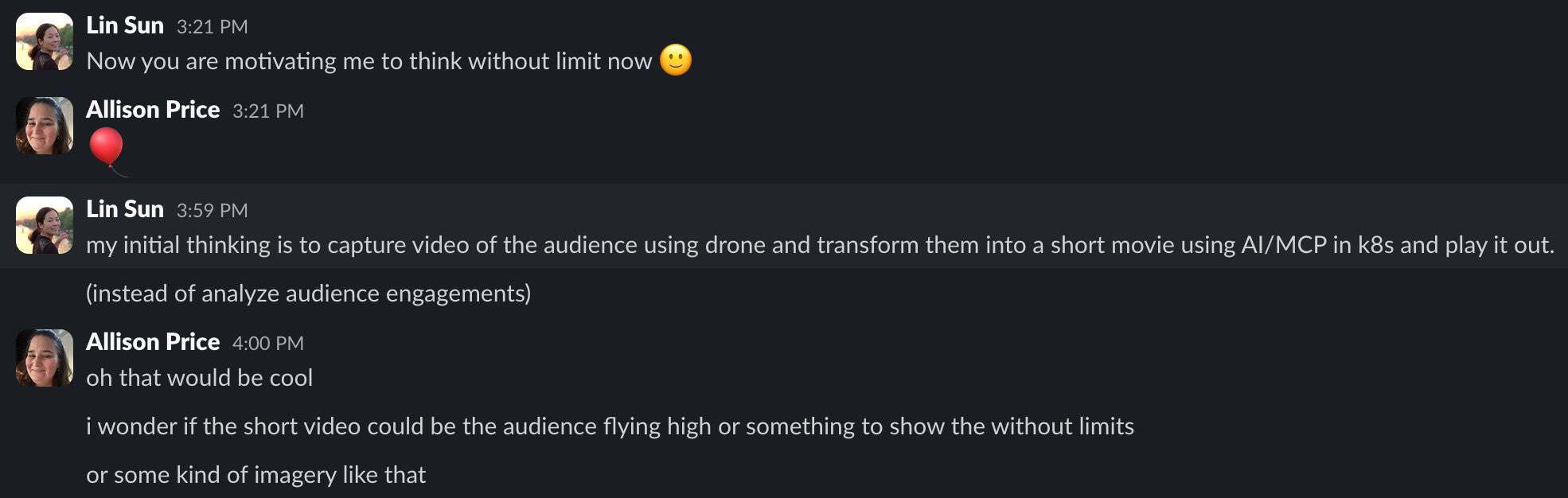
The project was the result of a cross-functional effort involving not only the technical leads but also the broader CNCF community. Real-time collaboration via platforms like Slack proved essential. During the development phase, the #substrate-dev channel acted as a support hub where the team could troubleshoot issues related to agent execution and latency in real-time.
Support from leadership, including Idit Levine, and the logistical coordination handled by Jonathan Bryce and Elna Vogel, highlights the organizational requirements for such large-scale technical demonstrations. It demonstrates that innovation at the intersection of AI and cloud-native technology is not merely a coding challenge; it is a collaborative endeavor requiring expertise in policy, safety, and project management.
Looking Toward the Future: Beyond the Drone
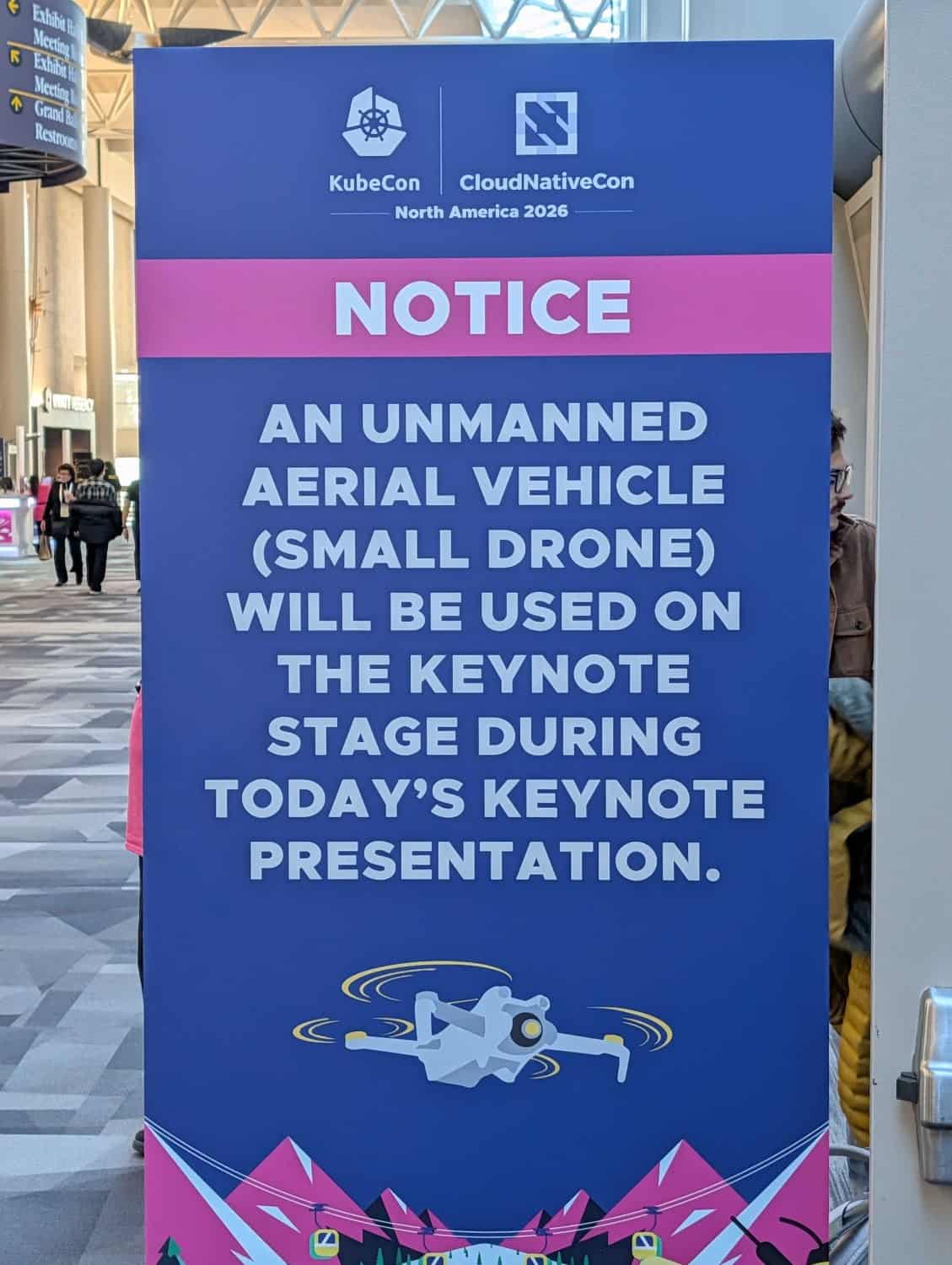
The conclusion of the "Drone 2" chapter at the Salt Lake City keynote naturally leads to questions regarding the next evolution of autonomous cloud-native hardware. With the 2027 KubeCon + CloudNativeCon in Barcelona on the horizon, the community is already speculating on the next phase of physical computing.
Potential areas for future exploration include:
- Swarm Robotics: Moving from a single autonomous agent to a coordinated fleet, managed by a distributed Kubernetes control plane.
- Edge-Heavy AI Processing: Moving more of the compute burden to the edge device itself, utilizing smaller, more efficient models to reduce reliance on centralized connectivity.
- Industrial Automation: Applying the lessons learned from the drone experiment to stationary robotic arms or automated manufacturing logistics, where safety and observability are paramount.
The success of the 2026 keynote serves as a proof-of-concept for a future where the line between software-defined infrastructure and the physical world is increasingly blurred. As AI agents become more sophisticated, the cloud-native community appears prepared to provide the necessary structure, security, and monitoring to ensure these systems are not only innovative but also stable and reliable.
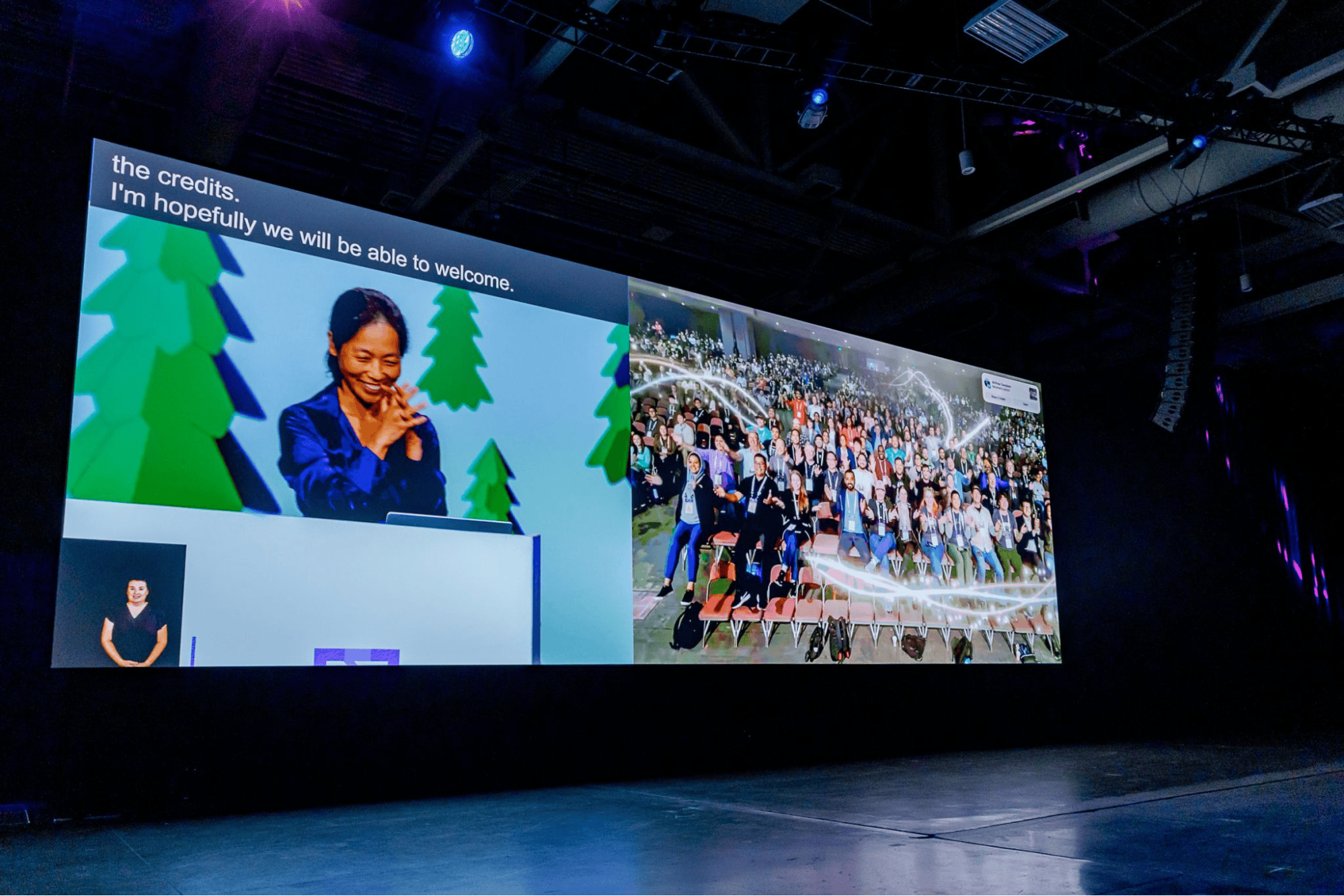
As Lin Sun and the team transition to the next project, the legacy of the Salt Lake City drone demonstration remains: a call to action for the open-source community to continue pushing the boundaries of what is possible, ensuring that the "Cloud Native Without Limits" theme remains a guiding principle for the next generation of technological development. The challenge remains for developers to identify the next physical manifestation of AI that can be safely and effectively brought under the umbrella of cloud-native orchestration. Whether it involves autonomous ground vehicles, smart infrastructure, or decentralized robotic networks, the blueprint provided by the 2026 demo offers a viable pathway for future innovation.