Broadcasting+Cable Celebrates Industry Excellence at the 32nd Annual Hall of Fame Induction Ceremony


The 32nd class of honorees to the B+C Hall of Fame took to the stage at New York’s Ziegfeld Ballroom on September 26 for a gala induction event that served as a high-water mark for the media, entertainment, and broadcasting sectors. This annual gathering, which has become a staple in the industry’s calendar, honors the visionaries, executives, and on-air personalities whose contributions have fundamentally shaped the television landscape. This year’s ceremony recognized a diverse cohort of leaders, ranging from veteran sports broadcasting icons to pioneering corporate strategists, highlighting the resilience and evolution of the industry during a period of significant technological and cultural transformation.
A Legacy of Recognition: The B+C Hall of Fame
The B+C Hall of Fame was established to recognize individuals who have made extraordinary contributions to the television and cable industries. Since its inception, the event has evolved from a small gathering into one of the most prestigious honors in the sector. The selection process involves a rigorous evaluation of candidates based on their professional achievements, leadership roles, and the long-term impact of their work on the media ecosystem.
The Ziegfeld Ballroom, an iconic venue in the heart of Manhattan, provided the backdrop for this year’s induction. The gala serves not only as an awards ceremony but also as a networking nexus for C-suite executives, producers, and creative talent. The 2024 class joined a distinguished list of hundreds of previous inductees, cementing their places in the annals of broadcast history.
The 2024 Honorees
The 2024 class was defined by its depth and breadth, encompassing individuals who have spent decades navigating the transition from traditional linear television to the digital-first era. Among the notable inductees was Dick Vitale, the legendary college basketball broadcaster whose infectious energy and commitment to the sport have made him a household name for generations of viewers. Vitale’s presence at the gala underscored the enduring power of personality-driven broadcasting.
Other honorees included George Stephanopoulos, whose dual roles as a key figure in political journalism and a staple of morning television demonstrate the intersection of news and cultural influence. Corporate leaders were also heavily represented, with executives such as Debra OConnell, Bob Bakish, and Valari Dobson Staab receiving accolades for their strategic vision in managing large-scale media conglomerates. These leaders have been instrumental in steering their respective organizations through the turbulent waters of the streaming wars, advertising revenue fluctuations, and changing consumer habits.
The full list of the 2024 class features:
- Janice Arouh: A leader in distribution and content strategy.
- Bob Bakish: Former CEO known for his restructuring of legacy media assets.
- Karen Dougherty Buchholz: Recognized for her extensive contributions to corporate operations.
- Mario J. Gabelli: An influential figure in media investment and analysis.
- Marianne Gambelli: A veteran executive in advertising sales.
- Scott Herman: A long-time leader in broadcast management.
- Douglas V. Holloway: A strategist with a deep history in the cable sector.
- Steve Lanzano: Known for his work in the advertising and media planning sphere.
- Bill McGorry: A long-standing industry advocate and media veteran.
- Debra OConnell: A high-ranking executive at the intersection of content and technology.
- Valari Dobson Staab: A pioneer in local station group management.
- Arthur Wagner: A visionary leader with an extensive portfolio of industry contributions.
- Dick Vitale: An icon of sports journalism.
Industry Context: Navigating a Period of Flux
The timing of this year’s Hall of Fame induction coincides with a critical juncture for the broadcasting industry. Traditional television is currently undergoing a "great transition," with linear viewership declining as audiences increasingly shift toward Connected TV (CTV) and Over-the-Top (OTT) platforms. According to recent data from Nielsen and other industry analysts, the share of time spent on streaming services now frequently eclipses that of traditional broadcast and cable networks in key demographic segments.
The honorees represent the leadership required to manage this transition. By diversifying revenue streams—moving beyond traditional affiliate fees and spot advertising toward direct-to-consumer models and sophisticated data-driven ad targeting—these executives have maintained the viability of the media business. The ceremony, therefore, was not merely a retrospective of past achievements but a testament to the adaptability of the individuals tasked with navigating the future of global media.
The Evolution of the Media Landscape
Looking back at the trajectory of the broadcasting industry over the last three decades, it is clear that the role of the media executive has become significantly more complex. In the early days of the B+C Hall of Fame, the focus was largely on the expansion of cable networks and the dominance of the Big Three broadcast networks. Today, the competition includes global tech conglomerates, social media platforms, and independent content creators.
The inductees reflect this shift. For instance, the inclusion of leaders with expertise in advertising sales, such as Marianne Gambelli and Steve Lanzano, highlights the industry’s ongoing effort to modernize ad-tech. As advertisers demand more granular data and higher accountability, the ability to bridge the gap between legacy broadcasting infrastructure and digital advertising requirements has become a core competency for successful executives.
Reactions and Industry Sentiment
While the gala itself is a celebratory affair, the conversations taking place behind the scenes—as captured in the event’s photo galleries—often touch on the challenges facing the industry. Observers and attendees noted a sense of optimism regarding the potential for renewed growth in local news, a sector that remains a vital pillar of the democratic process.
Industry analysts suggest that the recognition of leaders like Valari Dobson Staab and Debra OConnell signals a continued commitment to localism, even as national networks lean into broader streaming strategies. The consensus among the attendees was that while the delivery mechanism for television is changing, the fundamental need for high-quality, trusted, and localized content remains stronger than ever.
Implications for the Future
The induction of the 32nd class carries implications for the future of the industry. By honoring a mix of veterans and those currently driving digital transformation, the B+C Hall of Fame is signaling that institutional memory is just as important as technical agility. As the industry faces potential consolidation, increased regulatory scrutiny, and a fragmented advertising market, the mentorship and guidance provided by these Hall of Fame inductees will remain essential.
Furthermore, the emphasis on sports broadcasting, exemplified by Dick Vitale, highlights that live events remain the most valuable currency in media. As streamers continue to bid for exclusive rights to major sports leagues, the strategies pioneered by leaders in this year’s class will likely serve as the blueprint for future media rights negotiations.
Conclusion: A Night to Remember
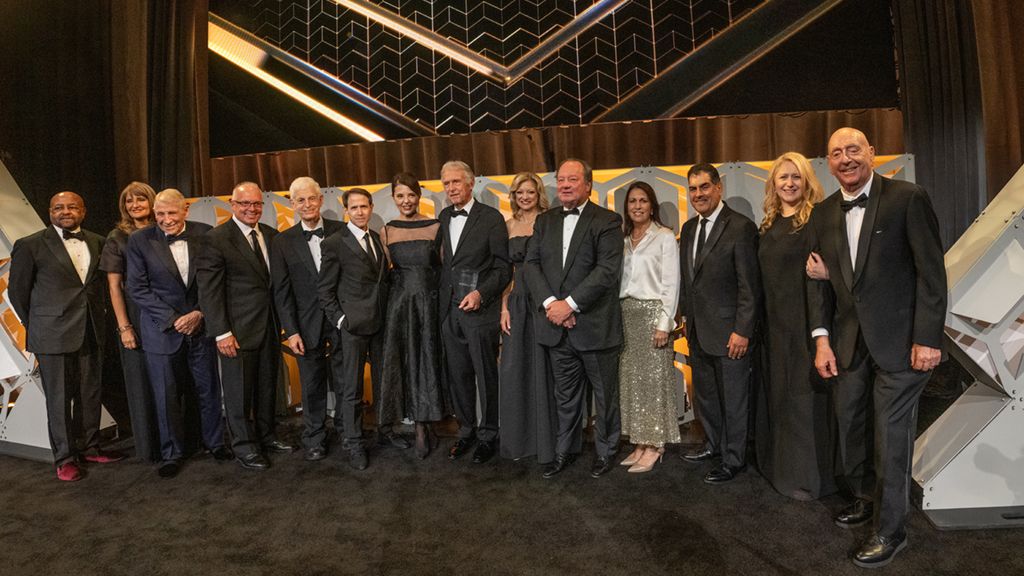
The 32nd B+C Hall of Fame gala served as a poignant reminder that, despite the technological disruptions and economic pressures facing the industry, the human element—the talent, the leadership, and the vision—remains the driving force behind television’s success. As the honorees posed for photos at the Ziegfeld Ballroom, they were not just celebrating their past, but setting a standard for the next generation of media professionals.
The event, which concluded with a gala dinner and networking sessions, highlighted the ongoing importance of community within the broadcasting sector. In an era where digital tools allow for remote collaboration, the physical gathering of the industry’s brightest minds serves to reinforce the relationships and partnerships that define the media business. As the industry looks toward 2025 and beyond, the influence of the 2024 Hall of Fame class will undoubtedly be felt in the boardrooms, studios, and control rooms across the country, ensuring that the legacy of broadcasting continues to evolve and thrive.