AWS Strengthens Global Developer Ecosystems, Advances AI-Powered Serverless Development, and Addresses Billing Operational Review

Amazon Web Services (AWS) concluded a dynamic week marked by strategic developer community engagement in South Korea, the introduction of transformative AI-powered tools for serverless development, and a transparent resolution of a critical billing data anomaly. These events collectively underscore AWS’s multi-faceted approach to fostering innovation, supporting its vast developer base, and maintaining the operational integrity of its global cloud infrastructure.
Cultivating Global Developer Ecosystems: The AWSKRUG Engagement in Seoul
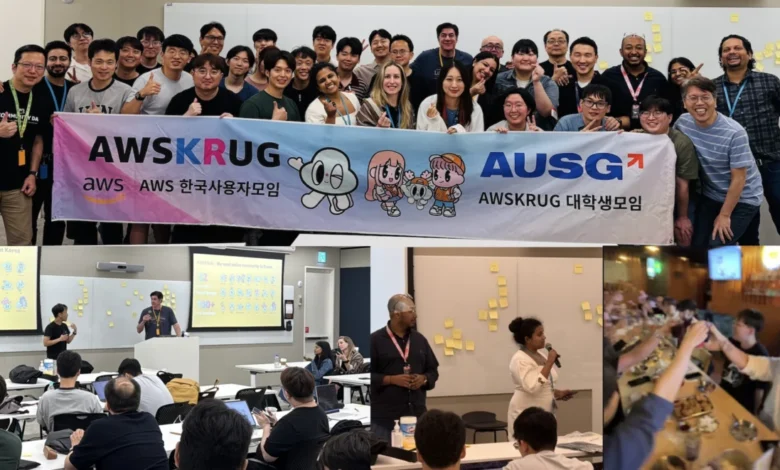
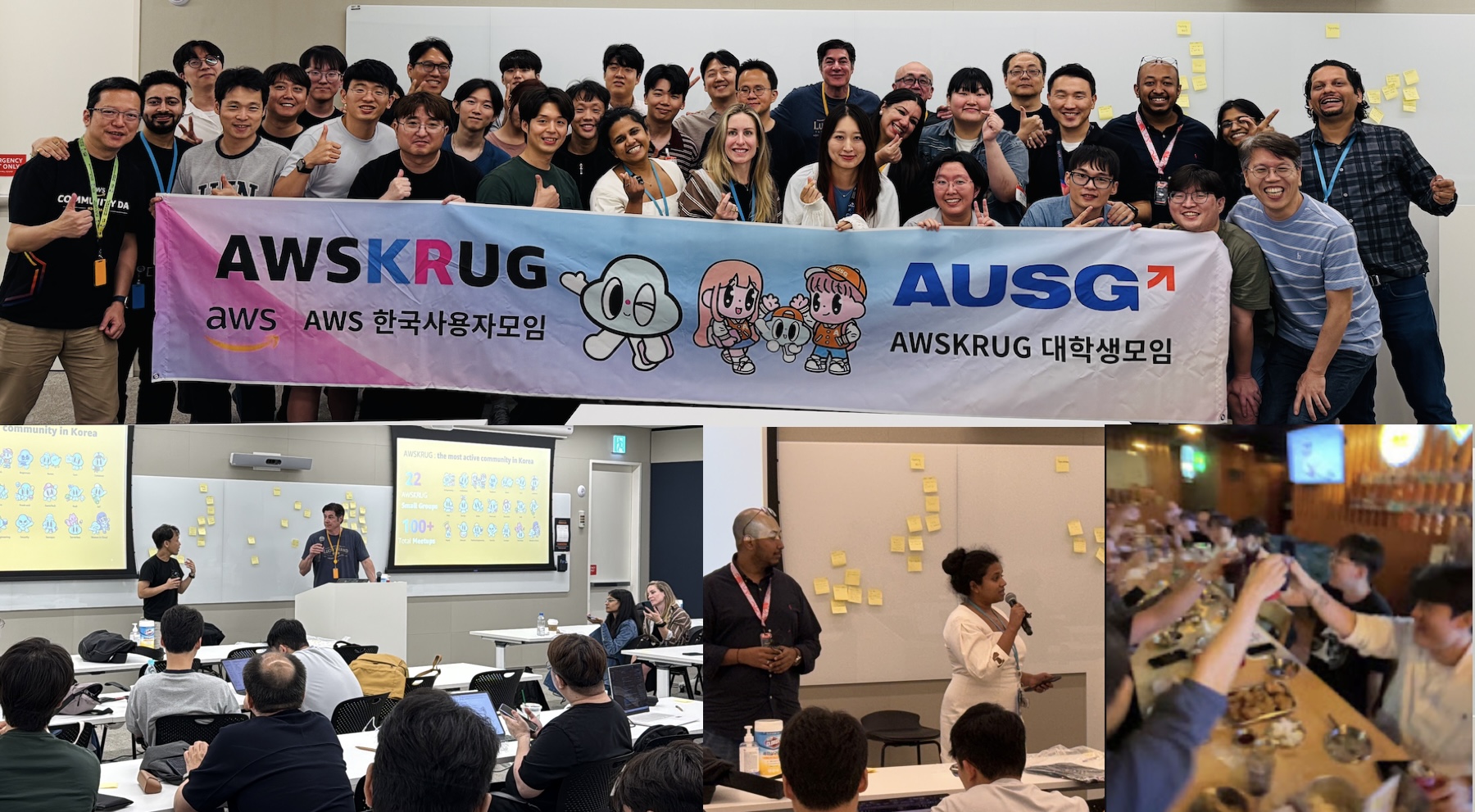
In a significant move to reinforce its commitment to global developer communities, a team from AWS’s Developer Experience unit recently concluded a pivotal visit to Seoul, South Korea. The primary objective was to engage directly with the leaders of the AWS Korea User Group (AWSKRUG), a vibrant and expansive cloud developer community in the region. This interaction highlights AWS’s strategic emphasis on bottom-up innovation and the invaluable role played by local user groups in driving cloud adoption and best practices.
AWSKRUG stands as a testament to the thriving developer culture in South Korea, boasting an impressive network of 20 specialized meetup groups organized by topic and geographical area. These groups collectively orchestrate over 100 events annually, predominantly hosted in Seoul, serving as crucial hubs for knowledge exchange, networking, and skill development for thousands of cloud professionals. Such communities are vital arteries for hyperscale cloud providers like AWS, providing direct feedback channels, fostering local expertise, and catalyzing the adoption of new services and architectures. Globally, developer communities are estimated to contribute significantly to the growth of cloud ecosystems, with user groups often serving as primary entry points for new developers and platforms for seasoned professionals to share advanced insights.
The AWS Developer Experience team’s visit to Seoul is part of a regular itinerary across the Asia-Pacific (APAC) region, reflecting a broader AWS strategy to maintain close ties with its developer community stakeholders. These engagements are designed to be interactive and constructive, allowing user group leaders to share unvarnished feedback on their community’s successes, areas requiring improvement, and specific requests for support from AWS. Such direct lines of communication are invaluable for AWS, providing granular insights into regional developer needs and helping to tailor resources, documentation, and even product roadmaps to better serve diverse global markets. The meeting in Seoul was no exception, characterized by an honest exchange of ideas and a shared commitment to empowering the Korean cloud developer community.
A notable cultural dimension of the Seoul visit was the team’s participation in a "Chimaek" session with the AWSKRUG leaders. Chimaek, a portmanteau of "chicken" and "maekju" (beer), is a beloved South Korean culinary pairing and social tradition. This informal gathering provided an opportunity for deeper personal connections and cultural immersion, reinforcing the collaborative spirit between AWS and its community partners beyond formal business discussions. Such gestures underscore AWS’s understanding that effective community building extends beyond technical support to encompass cultural appreciation and genuine human connection.
The implications of such deep engagement are multi-layered. For AWS, it strengthens brand loyalty, accelerates the adoption of new services, and provides a continuous feedback loop that is critical for product refinement and innovation. For the AWSKRUG community, it validates their efforts, provides direct access to AWS personnel, and helps secure resources and support to further expand their educational and networking initiatives. In a rapidly evolving tech landscape, where developer talent is a key differentiator, investing in and nurturing robust user communities like AWSKRUG is a strategic imperative for sustained market leadership. Analysts consistently highlight the correlation between strong developer ecosystems and market penetration for cloud providers, with South Korea representing a particularly high-growth market for cloud services.
Pioneering AI-Powered Serverless Development with One-Click Lambda Agents
Last week also witnessed a significant technological advancement from AWS, aimed at revolutionizing serverless development through the integration of artificial intelligence: the launch of a one-click Lambda setup prompt for coding agents. This innovation signals AWS’s proactive stance in harnessing the power of generative AI to enhance developer productivity and streamline the adoption of serverless best practices.
The rise of generative AI has fundamentally reshaped the software development landscape. From intelligent code completion to automated testing and debugging, AI-powered coding assistants and agents are increasingly becoming indispensable tools for developers. These tools promise to accelerate development cycles, reduce repetitive tasks, and enable developers to focus on higher-value creative problem-solving. AWS has been a key player in this evolution, with offerings like Amazon CodeWhisperer and broader AI services on Amazon Bedrock. The new Lambda setup prompt is a direct extension of this strategy, specifically targeting the burgeoning field of AI-assisted serverless development.
AWS Lambda, the cornerstone of AWS’s serverless computing offering, allows developers to run code without provisioning or managing servers. This paradigm has dramatically reduced operational overhead, enabled unprecedented scalability, and fostered a microservices-oriented architectural approach. However, even with the inherent simplicity of serverless, configuring and integrating services can still present a learning curve, especially for complex applications. The one-click Lambda setup prompt addresses this challenge head-on.
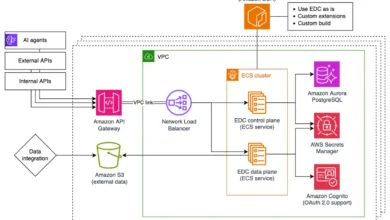
This innovative prompt is designed to automatically configure a developer’s preferred AI coding agent with essential AWS Serverless skills and the Serverless Model Context Protocol (MCP) server. The profound benefit lies in embedding serverless best practices directly into the agent’s operational framework from the very beginning. This means developers can leverage their AI agent to generate and manage Lambda functions and related resources in a way that inherently adheres to AWS’s recommended architectural patterns, promoting efficiency, security, and scalability. The prompt itself references a comprehensive Lambda agent setup guide, ensuring compatibility and ease of integration with a wide array of popular AI agents, including Claude Code, Kiro, Cursor, GitHub Copilot, Codex, Devin Desktop, and OpenCode. This broad support underscores AWS’s commitment to an open and inclusive AI development ecosystem.
To get started, developers simply need to choose the "Copy agent prompt" button directly from the Lambda console screen or manually copy the URL fetch https://docs.aws.amazon.com/lambda/latest/dg/samples/aws-lambda-agent-setup.md and paste it into their chosen AI agent’s interface. This elegant, low-friction mechanism ensures rapid adoption and immediate productivity gains. Furthermore, developers can enhance their coding agents’ capabilities by integrating the Agent Toolkit for AWS, which provides current AWS knowledge and secure resource access. The installation of the AWS MCP Server, critical for this integration, is facilitated by fetch https://raw.githubusercontent.com/aws/agent-toolkit-for-aws/refs/heads/main/setup-instructions/setup.md.

The strategic significance of this launch is considerable. It not only simplifies the development experience for serverless applications but also positions AWS at the forefront of AI-driven developer tooling. By making it easier for developers to build and deploy serverless applications with AI assistance, AWS aims to further accelerate the adoption of Lambda and its broader serverless ecosystem. This move also intensifies the competition in the AI coding assistant market, as AWS provides a unique, cloud-provider-specific integration that promises deeper context and more relevant code generation for its platform. The long-term implication is a future where AI agents become indispensable co-pilots for cloud developers, seamlessly integrating with platform-specific APIs and best practices to build more sophisticated, resilient, and optimized applications.
Operational Reliability Under Scrutiny: The AWS Billing Data Anomaly
While innovation and community engagement dominated much of the week, AWS also addressed a critical operational incident concerning its billing systems. Last weekend, some customers experienced an issue where Cost Explorer displayed inaccurate estimated billing data. This anomaly led to several adverse effects, including the receipt of erroneous budget and cost anomaly detection alerts, and the observation of inflated estimated cost and usage data within their AWS accounts. This incident, though resolved, brought into sharp focus the paramount importance of accuracy and reliability in cloud financial management.
The issue, identified as an operational anomaly, affected the precision of estimated billing data provided by AWS Cost Explorer. Cost Explorer is a vital tool for cloud financial management (FinOps), allowing customers to visualize, understand, and manage their AWS costs and usage over time. It is instrumental for budgeting, forecasting, and identifying cost optimization opportunities. When such a critical tool provides inaccurate data, the implications for businesses can range from minor confusion to significant operational disruptions and potentially misguided financial decisions. Customers rely heavily on these dashboards for real-time insights into their cloud spend, making any discrepancy a cause for concern.
AWS promptly acknowledged the incident. The company reported that the issue has since been resolved, and all AWS services are operating normally. In a statement released through the AWS Health Dashboard, AWS extended an apology for the concern this incident caused its customers. More importantly, the company committed to conducting a thorough retrospective. This post-incident analysis is standard practice for AWS and is crucial for identifying the root cause, reinforcing system redundancies, and implementing preventative measures to avert similar occurrences in the future. Furthermore, AWS stated its intention to improve its response protocols specifically for billing-related incidents, demonstrating a commitment to continuous improvement in operational resilience and customer communication during service disruptions.
The broader context of cloud billing complexity cannot be overstated. Modern cloud environments, with their myriad services, granular usage metrics, and often intricate pricing models, present significant challenges for cost management. Tools like Cost Explorer are designed to abstract this complexity, offering users actionable insights. Therefore, any disruption to the accuracy of these tools can erode customer trust and complicate their ability to effectively manage their cloud investments. For large enterprises and startups alike, accurate billing data is not just an accounting necessity but a strategic imperative for financial planning, compliance, and demonstrating ROI on cloud adoption.
The resolution and subsequent retrospective reflect AWS’s foundational commitment to operational excellence, a pillar of its service philosophy. While incidents are an unavoidable reality in any complex distributed system, the speed of resolution, transparency in communication, and dedication to learning from such events are critical for maintaining customer confidence. This incident serves as a reminder of the continuous effort required to ensure the reliability of foundational services, especially those directly impacting customer finances and operational decision-making. Customers will be looking to the outcomes of the retrospective to ensure robust safeguards are in place for the future.
Beyond the Headlines: Other Notable AWS Updates and Events
Beyond these major developments, AWS continued its relentless pace of innovation and community engagement. The week saw a host of other launches across various AWS services, reflecting the platform’s ongoing expansion and refinement. While not detailed in the provided content, these regular updates ensure that AWS remains at the cutting edge of cloud technology, constantly adding new features, improving performance, and expanding its global footprint. Developers and businesses are encouraged to regularly monitor the "What’s New with AWS" page for a comprehensive list of all announcements, ensuring they stay informed about the latest tools and capabilities.
In parallel, the AWS Blogs page continued to serve as a rich repository of technical articles, best practice guides, and thought leadership pieces, providing invaluable resources for anyone building on AWS. These blogs often dive deeper into specific services, architectural patterns, and practical implementation details that complement official documentation.
AWS also reiterated its commitment to fostering a vibrant ecosystem through a diverse array of events. Upcoming AWS-led in-person and virtual events, dedicated startup events, and developer-focused gatherings, including the popular AWS Summits, provide crucial opportunities for learning, networking, and direct interaction with AWS experts. Furthermore, the AWS Builder Center continues to grow as a community hub, connecting developers, enabling solution sharing, and offering curated content to support continuous professional development. These platforms are vital for maintaining the dynamic exchange of ideas and knowledge that powers the AWS community.
In conclusion, the past week for AWS was a microcosm of its broader strategy: deeply engaging with its global developer community to gather insights and foster growth, pushing the boundaries of technological innovation with AI-powered development tools, and rigorously maintaining and improving the operational reliability of its core services. From Seoul’s Chimaek sessions to one-click AI agent setups and critical billing system reviews, AWS continues to navigate the complexities of leading the global cloud computing landscape with a firm focus on its customers and the future of technology.
Related posts: