The integration of advanced aerial robotics into the logistics framework of the Irvine, California-based sportswear giant marks a significant pivot in how large-scale distribution centers manage inventory accuracy. By deploying Corvus One drones, developed by Corvus Robotics, Asics has effectively reduced the time required to recover misplaced inventory by approximately 60%. This technological deployment, centered at the company’s massive 855,000-square-foot facility in Byhalia, Mississippi, addresses a long-standing industry challenge: the “phantom inventory” phenomenon, where goods are physically present in a warehouse but are either mislabeled, misplaced, or unaccounted for in digital records.
The Operational Challenge of Modern Distribution
The Asics distribution facility in Byhalia is a high-velocity engine for the company’s North American operations, housing nearly 3 million units of footwear, apparel, and accessories across roughly 44,000 unique stock-keeping units (SKUs). Managing this volume is complex, as the facility must simultaneously cater to ecommerce fulfillment, retail store replenishment, and wholesale customer orders, while also acting as a central hub for processing customer returns.
Prior to the implementation of the Corvus One drone system, the facility relied on traditional, labor-intensive methods for inventory cycle counts. These manual processes were not only time-consuming but were also prone to human error and significant reporting lags. According to Kyle Koestler, senior director of distribution and transportation at Asics America, misplaced items could remain undetected for as long as six months. This gap in visibility frequently led to order cancellations, as the company would inadvertently sell items that were misplaced within the vast storage racks, leading to customer dissatisfaction and lost revenue.
Technological Deployment and Workflow Integration
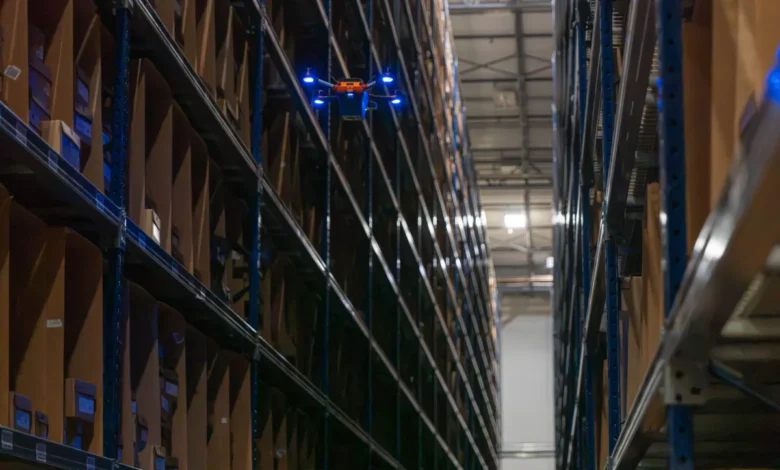
The transition to an automated counting system represents a shift from reactive to proactive inventory management. The Corvus One drones are designed to operate autonomously, utilizing advanced computer vision and spatial reasoning to navigate the warehouse environment. They require no external infrastructure, such as floor markers or beacons, allowing them to maneuver through narrow aisles—some less than six feet wide—with precision.
The deployment schedule is rigorous: the drones conduct seven scheduled flights every night, beginning at approximately 7:00 p.m. During these flights, the drones scan universal product codes (UPCs) and count boxes stored at each location. This data is then cross-referenced with the warehouse management system (WMS) to flag discrepancies. By the following morning, the results are presented to the inventory control team via high-resolution images and video footage. This allows for rapid verification and correction. As noted by Angela Williford, inventory control operations manager at Asics America, the ability to remotely assess a location through digital footage often allows staff to rectify errors from a desk, reserving physical intervention for only the most complex discrepancies.
Impact on Inventory Accuracy and Sales Availability
The most immediate impact of the drone deployment has been the increased frequency of inventory counts. Previously, the facility performed full inventory counts only twice annually. With the drone fleet now operational, Asics conducts monthly cycle counts in two critical zones: the singles area, which holds returned goods and individual shoe pairs, and the case reserve area, which houses full cartons.
This increased frequency has had a direct, measurable effect on inventory availability. During a three-month testing period, the drones successfully identified 26 misplaced cases containing over 200 pairs of shoes. Without the automated oversight, these items likely would have remained effectively “lost” until the next semi-annual audit.
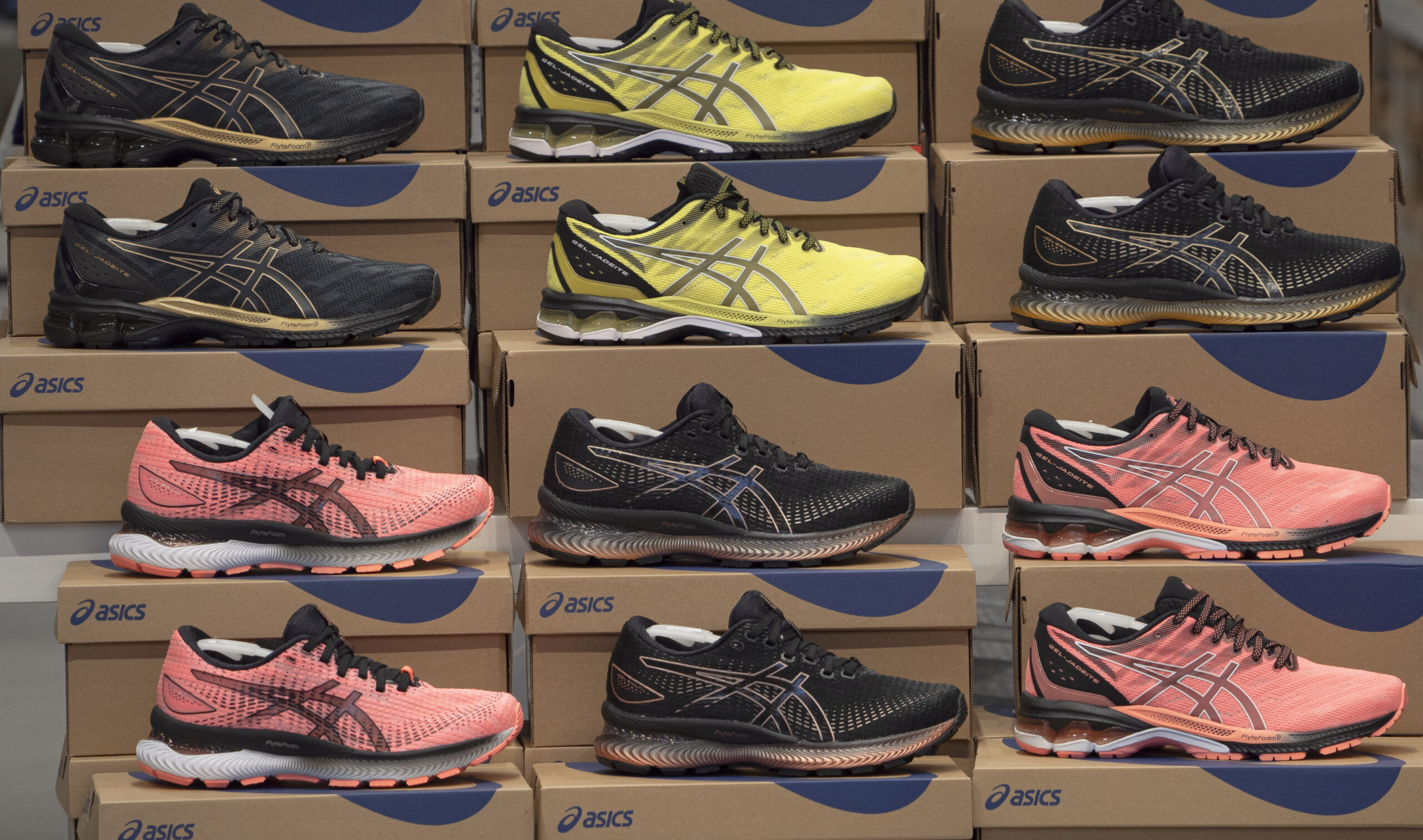
The ripple effect of this heightened visibility extends to Asics’ digital strategy. Previously, the company withheld between 12% and 15% of its available units from marketplace inventory feeds. This "buffer" was a necessary safeguard against the risk of promising products that could not be fulfilled. With the increased confidence provided by the Corvus system, Asics has moved to publish its full inventory availability. This shift not only increases the volume of units available for sale but also allows the company to move more products at full price, reducing the need for end-of-season liquidation or discount pricing to clear stock that was erroneously deemed unavailable.
Industry Context and the Future of Automated Warehousing
Asics is part of a broader trend of retail and logistics firms turning to robotics to solve the "last 50 feet" of warehouse automation. The pressure to improve fulfillment speed, combined with labor shortages and the rising cost of manual inventory audits, has accelerated the adoption of aerial and ground-based autonomous systems.
Other industry players have reported similar success. GNC, for instance, expanded its inventory count frequency from two to four times per year to as many as 12 times annually after deploying Corvus technology in its Indianapolis and Phoenix centers. Similarly, the beverage distributor Southern Glazer’s Wine & Spirits has scaled its drone program to nine distribution centers, citing a 100-basis-point improvement in cases handled per hour.
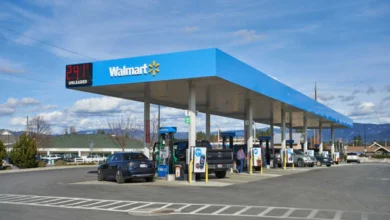
These investments are part of a larger wave of capital expenditure aimed at supply chain resilience. Retail giant Walmart, for example, recently committed $6 billion to scale the deployment of Symbotic’s AI-powered robotics across 25 of its regional distribution centers. These systems go beyond simple counting, incorporating automated product flow and high-density storage management.
Strategic Implications and Long-Term Outlook
For Asics, the move to automate inventory management is not merely an efficiency play; it is a defensive strategy against the volatility of the modern retail market. By reducing the time required for reconciliation, the company has effectively shifted the role of its warehouse employees. Staff members are no longer required to perform repetitive, manual cycle counts; instead, they are redeployed to more value-added tasks such as discrepancy investigation, complex wholesale logistics, and strategic inventory projects.
The reduction in the use of lift equipment for manual counts also presents secondary benefits: lower risk of warehouse accidents, reduced traffic congestion in narrow aisles, and less wear and tear on facility infrastructure.
While the company has not disclosed specific revenue growth figures linked to the drone implementation, the qualitative and quantitative improvements in inventory accuracy suggest a robust return on investment. The ability to maintain an accurate, real-time "digital twin" of physical inventory is becoming a competitive necessity for global apparel brands. As supply chains face increasing complexity—driven by omnichannel expectations and the rise of secondary marketplaces—the role of autonomous, intelligent inventory systems like the Corvus One is set to become a foundational element of logistics strategy.
Conclusion
The successful integration of drone technology at the Asics Byhalia facility highlights a broader transition within the retail industry. As firms grapple with the dual challenges of operational precision and the need for greater inventory transparency, automation provides a scalable solution. By eliminating the six-month latency in identifying misplaced items, Asics has effectively reclaimed lost potential, ensuring that its stock is available when and where customers need it. As the technology matures and becomes more accessible, it is highly probable that similar autonomous solutions will become standard in major distribution centers globally, further bridging the gap between digital demand and physical supply. The collaboration between Asics and Corvus Robotics stands as a prime example of how targeted technological investment can stabilize supply chains, reduce waste, and ultimately enhance the consumer experience in an increasingly digital-first retail landscape.