Arbitrator Awards Grieving Parents $40 Million in Landmark Case Over Fatal Uber Drop-Off Along Southern California Highway

The grieving parents of 23-year-old Emily Normandin-Parker have been awarded $40 million in a binding arbitration decision following a tragic 2023 incident that claimed their daughter’s life along a southern California highway. An independent arbitrator ruled that both ride-hailing giant Uber Technologies and the driver, Vu Tran, were jointly and vicariously liable for the young woman’s death. The ruling, finalized in July and brought to public attention by the plaintiffs’ legal representatives, orders a $20 million payout to each parent, Carol Normandin and Ken Parker.
While the substantial financial award cannot undo the tragedy, Normandin and Parker have stated their intention to channel the funds into advocacy, aiming to shine a harsh light on industry-wide safety standards, accountability, and transparency within the rapidly expanding gig-economy transportation sector. The case highlights ongoing debates surrounding the classification of ride-sharing drivers as independent contractors, corporate liability, passenger safety protocols, and the mechanics of mandatory arbitration clauses embedded in consumer terms of service.
The Tragic Sequence of Events
The events leading up to the fatal incident began on a night out in Southern California, where Emily Normandin-Parker and a close friend had spent the evening socializing and consuming alcohol. Seeking a safe way home, the pair utilized the Uber application to secure a ride. Vu Tran accepted the dispatch, picking up the two young women to transport them to their destination.
During the journey, Normandin-Parker’s friend became violently ill and vomited inside the vehicle. According to findings detailed by independent arbitrator Richard Stone, a retired judge, driver Vu Tran reacted with anger and frustration. Rather than exercising professional duty of care or locating a properly designated, illuminated off-ramp or commercial parking lot, Tran pulled the vehicle over onto the side of Route 73 in Orange County.
Crucially, Tran steered the vehicle into a "gore point"—the high-risk triangular paved area situated directly between an active highway lane and an exiting off-ramp. Once stopped in this hazardous zone, Tran ordered all three occupants out of the car. An argument ensued between the visibly angry driver and the intoxicated passenger outside the vehicle.
In what the arbitrator described as a fit of rage, Tran abandoned the two intoxicated young women in the middle of the night on the shoulder of a high-speed corridor. Shortly after being left stranded in the gore point, Emily Normandin-Parker was struck by oncoming vehicular traffic and suffered fatal injuries.
Compounding the severity of the driver’s actions, GPS telemetry and investigative findings revealed that after abandoning the passengers and leaving the scene, Tran drove to the very next exit, pulled over, and contacted Uber support to inquire about securing a cleaning fee for the vomit left inside his vehicle. He failed to render immediate aid or remain at the scene of the hazard he had created.
The Legal Battle: Arbitration and the Corporate Liability Debate
Because modern consumer technology platforms heavily rely on mandatory dispute resolution clauses, the case was adjudicated through private arbitration rather than a traditional public courtroom trial. When users download applications like Uber, they agree to terms of service that waive their right to a jury trial, forcing disputes into private arbitration frameworks. Consequently, while this ruling carries immense moral and financial weight, it does not officially establish legal precedent in state or federal court systems.
During the arbitration proceedings, Uber’s legal defense centered on its foundational business model. The company argued that it is merely a digital technology platform acting as an intermediary to connect independent third-party contractors with consumers, and therefore, it should be entirely insulated from liability for the independent negligence or misconduct of its drivers.
Arbitrator Richard Stone firmly rejected this defense. In his written decision, Stone held that Uber was vicariously liable for Tran’s gross negligence. The arbitrator underscored that despite statutory frameworks in California that permit transportation network companies to classify drivers as independent contractors, this classification does not grant carte blanche immunity to the parent corporation regarding passenger safety.
Stone criticized the driver’s decision-making, noting that Tran needlessly imperiled the lives of his passengers by terminating the ride in an illegal and profoundly dangerous location rather than seeking a secure environment. The arbitrator issued a stern warning to the ride-hailing industry at large, asserting that companies refusing to reform their approach to passenger safety in the wake of such tragedies do so at their own substantial risk.
Corporate Responses and Legal Disconnect
In the wake of the decision, Uber released an official statement expressing condolences while staunchly disagreeing with the arbitrator’s conclusion.
“While we respect the arbitration process, we believe the arbitrator was wrong in holding Uber legally responsible for the tragic events of that night,” the company’s statement read. Uber further highlighted that it continuously strives to strengthen its safety protocols, investing in new technologies, policies, and safeguards, alongside providing drivers with comprehensive guidance regarding safe drop-off locations. The company maintained that its work on safety is “never finished.”
Representatives or attorneys representing Vu Tran did not immediately respond to media inquiries or requests for comment following the release of the arbitration document.
Normandin and Parker fiercely criticized Uber’s official posture, characterizing the corporate response as emblematic of a systemic refusal to accept responsibility. They argued that the multi-billion-dollar enterprise consistently prioritizes profit margins over human lives and basic passenger security.
Broader Industry Implications and the Gig Economy
The $40 million award arrives amid a prolonged, nationwide regulatory and legislative tug-of-war concerning the responsibilities of app-based transportation networks. Over the past decade, companies like Uber and Lyft have reshaped urban transit, moving billions of passengers globally. However, this growth has routinely collided with traditional labor laws, passenger safety standards, and insurance liabilities.
Critics of the ride-sharing industry point out that while companies exercise immense control over pricing, dispatch algorithms, and driver deactivation policies, they routinely disclaim employer liability when catastrophic accidents occur. Cases involving passenger abandonment, nighttime highway drops, and driver vetting have periodically surfaced, prompting calls for stricter oversight from transportation safety boards and consumer advocacy groups.
Legal scholars note that while private arbitration keeps disputes out of the public eye and prevents the creation of binding judicial precedents, multi-million-dollar awards issued by neutral arbitrators can significantly impact corporate risk assessments. When arbitration payouts scale into tens of millions of dollars, insurance underwriters and corporate risk management teams are forced to reevaluate the financial exposure associated with unsafe driver behaviors and lax geographic monitoring tools.
Remembering Emily Normandin-Parker: A Legacy of Advocacy
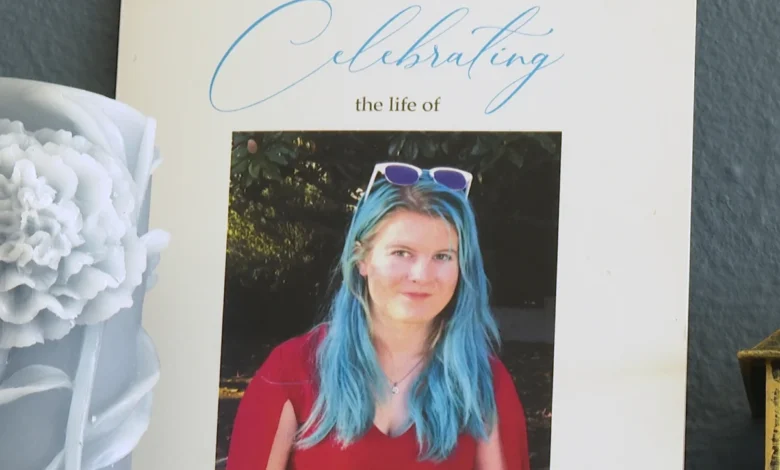
Away from the complex legal arguments and corporate balance sheets, Emily Normandin-Parker’s family and friends continue to mourn a young woman remembered for her vibrant intellect, creativity, and compassion. Described by her parents as a talented writer who aspired to become a playwright, she was also a devoted older sister and an active advocate for marginalized communities, including LGBTQ+ populations.
To honor her memory, Carol Normandin and Ken Parker established the Emily Normandin-Parker Foundation. The parents have publicly declared that the vast majority of the financial award secured through the arbitration will be directed toward philanthropic efforts. The foundation will fund scholarship opportunities, mentorship programs, and financial support for organizations dedicated to the causes Emily championed during her life.
Reflecting on the outcome, Ken Parker emphasized that no amount of money could ever replace their daughter, but expressed determination to use the public platform afforded by the lawsuit to effect meaningful change.
“I never wanted it. No parent would ever want it,” Parker said regarding the settlement funds. “The best thing about it is that it’s bringing attention to the issue that sorely needs attention. I want to do good with it.”
As the Emily Normandin-Parker Foundation begins its work, the case serves as a solemn reminder of the human cost associated with transportation network operations and the urgent demand for heightened accountability across the ride-hailing landscape.