AWS Continuum for code vulnerabilities launches to automate security remediation and prioritize risk across cloud environments

The landscape of software development has shifted dramatically over the past decade, moving from monolithic releases to continuous deployment models. As organizations accelerate their software development life cycles (SDLC), the volume of security findings generated by automated scanners has surged, often resulting in "alert fatigue" for security teams. Today, Amazon Web Services (AWS) announced the general availability of AWS Continuum for code vulnerabilities, a new service designed to move beyond simple vulnerability detection by validating exploitability, assessing business impact, and generating automated remediation pull requests.
Bridging the Gap Between Detection and Remediation
Modern application estates often comprise thousands of microservices, each with its own set of dependencies and configurations. Traditional vulnerability scanners frequently generate thousands of findings daily, many of which are either unreachable by external threats, unexploitable due to existing runtime controls, or located in non-critical development environments. Security practitioners have historically spent hours manually validating these findings to determine their true risk.
AWS Continuum addresses this friction by constructing a comprehensive context graph that combines data from source code repositories with real-time telemetry from the AWS environment. By integrating with AWS Config and network topology data, the service determines whether a vulnerable code path is actually reachable from the public internet or if it sits behind protective layers. This shift from static severity scoring to evidence-based risk assessment allows security teams to focus on the vulnerabilities that pose the greatest threat to business-critical systems, such as payment processing pipelines and customer databases.
The Evolution of Automated Security Operations
The rise of generative AI and frontier language models has significantly reduced the time required for threat actors to develop exploit code from a vulnerability disclosure. Research from various cybersecurity firms indicates that the "weaponization time"—the interval between a vulnerability being made public and the appearance of a functional exploit—has dropped from weeks to mere minutes in some instances.
Historically, the remediation process was a siloed endeavor. A security analyst would identify a flaw, a developer would attempt to replicate it, and infrastructure teams would assess the potential impact of a patch on the production environment. This coordination often took days, leaving systems exposed. AWS Continuum attempts to collapse this timeline by providing a "blast radius" assessment, which helps teams understand the potential operational impact of a fix before it is deployed. By providing proof-of-concept code and reproduction steps, the service aims to increase the confidence of developers tasked with implementing patches.

Operational Mechanics and Workflow Integration
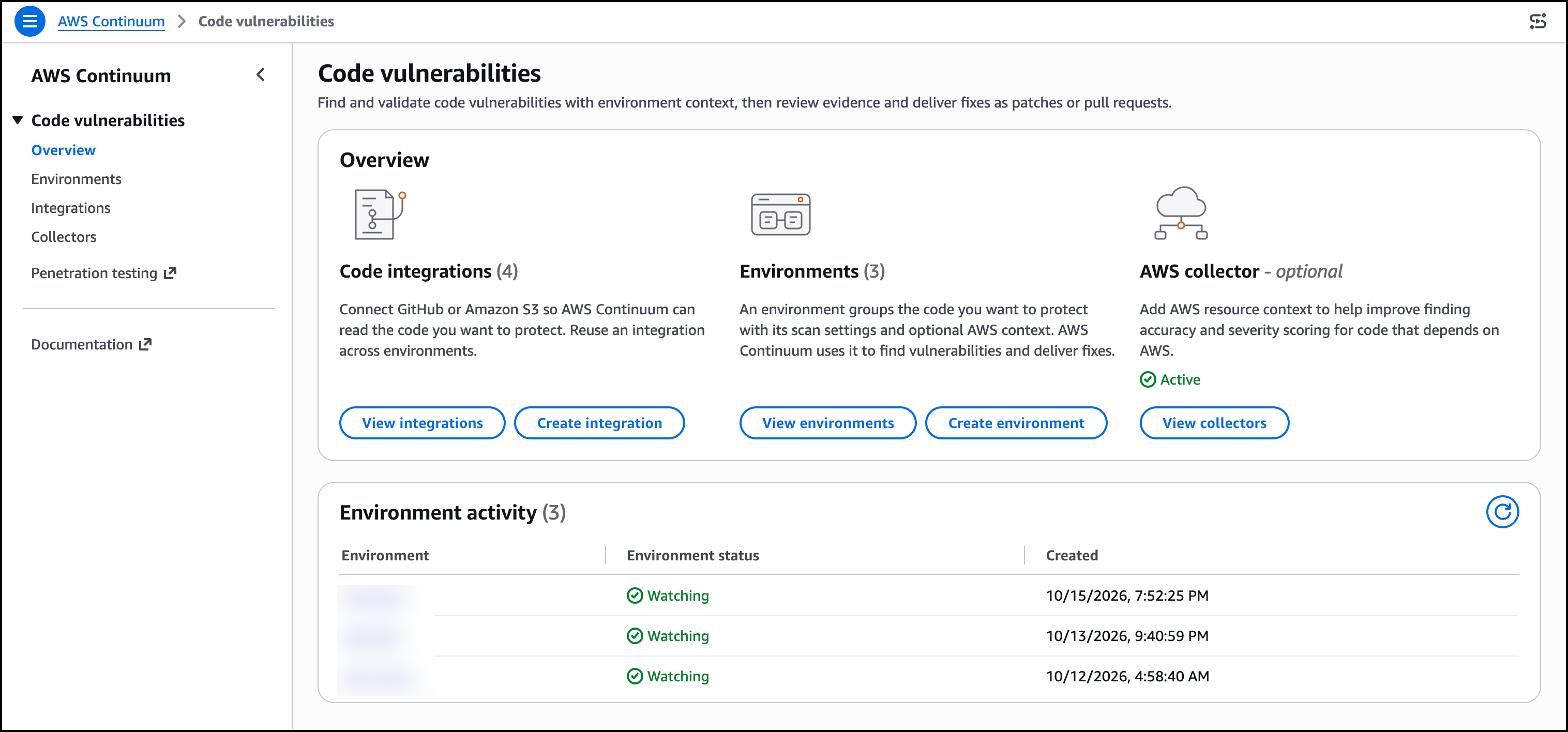
The implementation of AWS Continuum involves a dual-source approach to data collection. Users connect their code repositories—supporting GitHub integration or Amazon S3 buckets—and deploy a collector within the specific AWS account and region where the applications reside. This collector acts as the "eyes" of the system, gathering granular details about AWS resource configurations.
Once the environment is configured, the system processes the findings through a rigorous validation pipeline:
- Contextualization: The service maps the vulnerability against the infrastructure, identifying critical dependencies and data sensitivity.
- Verification: For findings deemed reproducible, Continuum executes the exploit in an isolated, secure sandbox environment to generate definitive proof.
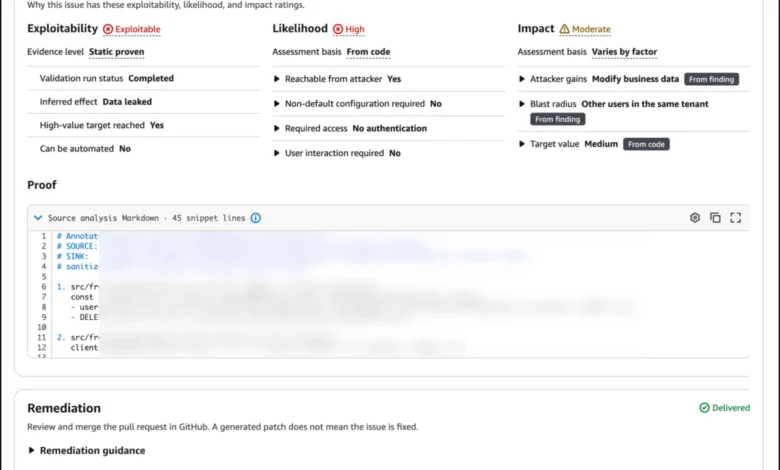
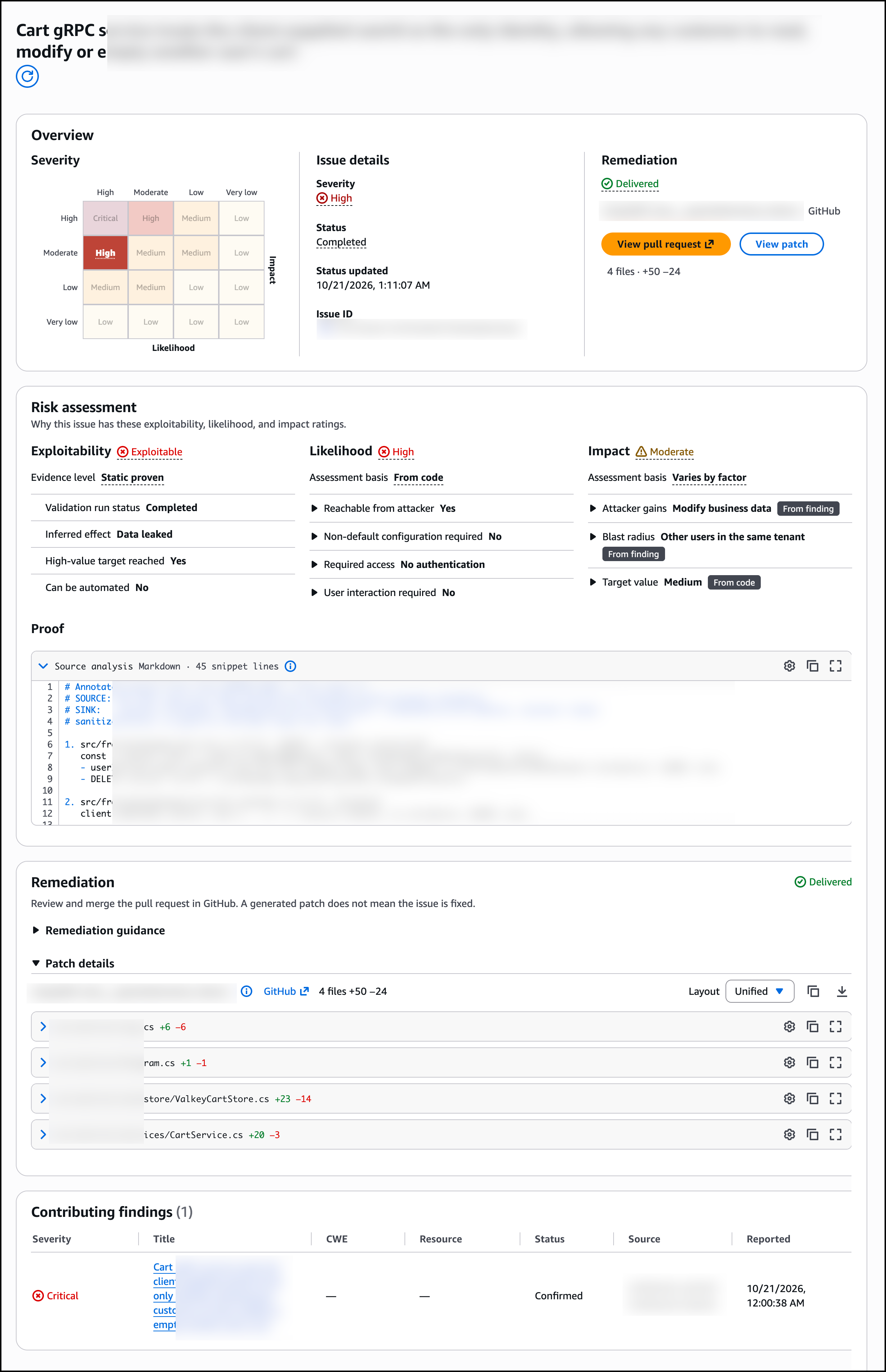
- Assessment: The platform generates a report detailing the attack path, the evidence of exploitability, and an analysis of whether existing security controls (such as AWS WAF or Security Groups) would effectively mitigate the threat.
- Remediation: Continuum generates a specific code patch, dependency update, or configuration change, opening it as a pull request in the organization’s version control system.
Importantly, the service maintains a "human-in-the-loop" requirement for the current iteration. While the system identifies and fixes the issue, the final approval remains with the development team. AWS has indicated that, in future updates, users will be able to define "confidence gates"—such as mandatory test coverage, scope boundaries, and historical success rates—that will allow for fully automated remediation for low-risk, high-confidence patches.
Data-Driven Security and Risk Prioritization
The reliance on generic CVSS (Common Vulnerability Scoring System) scores has long been a point of contention in the cybersecurity industry. A "Critical" vulnerability on an internal, non-production utility server is not equivalent to a "Medium" vulnerability on an internet-facing payment gateway. By incorporating business context, AWS Continuum redefines how vulnerabilities are ranked.
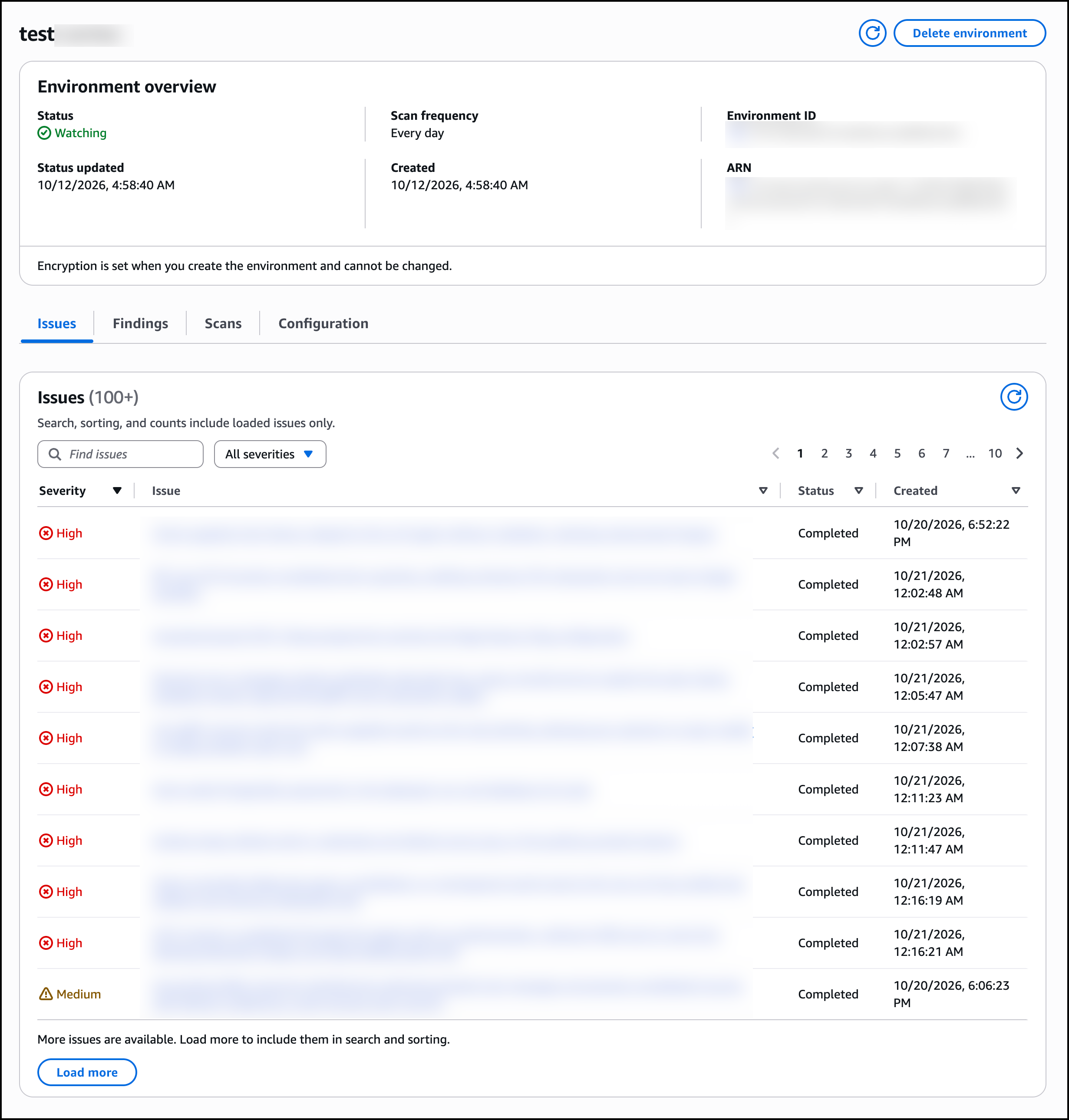
The service’s dashboard categorizes findings not just by raw severity, but by the "proximity to crown jewels." During a demonstration of the platform, the interface highlighted a high-severity finding with an "Exploitable" status, providing a clear audit trail of why the issue was prioritized. The integration allows developers to review the risk assessment, the remediation patch, and the supporting evidence directly within their GitHub pull request workflow, reducing the need to switch context between security tools and development environments.
Industry Implications and Future Outlook
The launch of AWS Continuum represents a significant step forward in the industry’s movement toward "Security as Code." By automating the labor-intensive aspects of vulnerability management, AWS is positioning the service as a necessary component for enterprise-scale organizations struggling to maintain security posture at speed.
Industry analysts suggest that the next frontier for such services will be the automation of "patch validation." As organizations continue to adopt Infrastructure as Code (IaC) and GitOps workflows, tools that can automatically verify that a patch has not introduced regressions in performance or functionality will become critical.
The current release of AWS Continuum is available in the US East (N. Virginia) and US West (Oregon) regions. As the service expands to other global regions, its impact on the broader cloud security ecosystem will likely be measured by how effectively it can reduce the mean time to remediate (MTTR) for high-risk vulnerabilities. For many organizations, the ability to turn a security finding into an approved, tested, and ready-to-merge pull request could represent a paradigm shift in how they manage their technical debt and security posture.
Chronology and Availability
The development of AWS Continuum follows a broader trend within Amazon’s security portfolio, which has increasingly focused on AI-driven threat detection and automated response. The project, which has been in development for several months, culminates in today’s general availability announcement.
For organizations planning to integrate AWS Continuum into their CI/CD pipelines, the following timeline and requirements are noted:
- Prerequisites: Users must ensure that their S3 buckets or repositories are properly configured with the necessary IAM roles to allow the service to perform scans and initiate pull requests.
- Monitoring: The "Overview" page serves as the primary control plane, allowing security administrators to monitor scan frequency, collector health, and the status of ongoing remediation efforts.
- Support: AWS has encouraged users to utilize standard support channels for feedback as the service scales its capabilities.
As security teams continue to grapple with an increasingly sophisticated threat landscape, the value proposition of AWS Continuum is clear: it replaces the manual, high-latency processes of the past with a streamlined, evidence-based approach that acknowledges the complexities of modern cloud-native architectures. By aligning security efforts with the operational reality of the business, AWS aims to provide a path forward for teams seeking to maintain security without compromising the velocity of their engineering organizations.