The Smithsonian Institution Faces an Existential Crisis Amid Intense Political Scrutiny and Calls for Reform

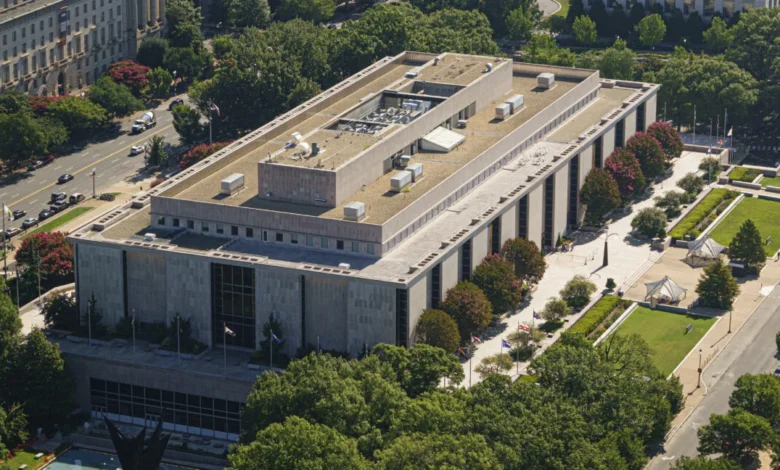
The Smithsonian Institution, long regarded as the preeminent guardian of American history and cultural heritage, is currently navigating its most precarious period in modern history. Serving as the home to 21 museums and drawing approximately 15 million visitors annually, the organization has historically operated as a non-partisan, independent federal trust. However, the institution is now the epicenter of a fierce culture war, caught between the shifting priorities of a presidential administration and its own internal evolution toward more inclusive, identity-centered historical narratives.
The tension, which has been building for years, reached a boiling point in 2026 following a series of executive actions, a comprehensive White House report, and subsequent congressional hearings that have challenged the very core of the Smithsonian’s mission.
A History of Institutional Tension
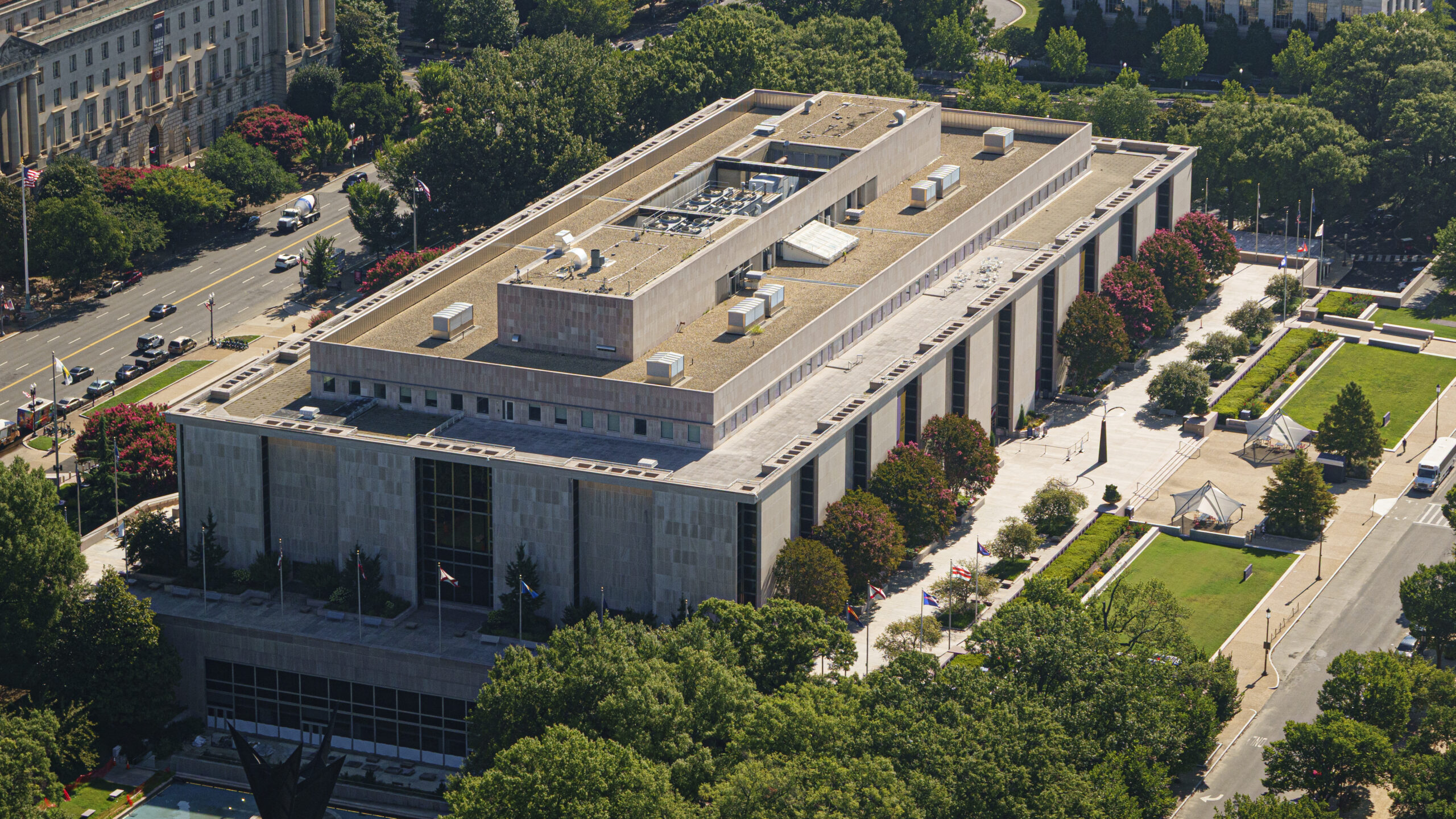
The National Museum of American History, the primary target of current administrative ire, has struggled with a fragmented identity since its inception in 1964. Originally titled the National Museum of History and Technology, the facility was designed to showcase both technological advancement and the general trajectory of the American experience. This dual mandate created long-term structural incoherence. As noted by former board chair Ivan Selin, the museum was never designed as a cohesive narrative, leading to a collection of exhibits that often lacked a unified strategy.
By the late 1990s, critics began to argue that the museum had drifted away from the nation’s foundational moments. A 1999 critique by David Brooks famously characterized the museum as a "multicultural grievance" center that ignored central figures and events in favor of identity politics. In response, a 2002 blue-ribbon commission led by Richard Darman recommended a "transformation" toward a more chronological and balanced narrative. Despite these recommendations, the museum’s curators largely resisted a "great man of history" approach, favoring more episodic, object-oriented storytelling. This transition proved difficult, leaving the museum without the clear, overarching mission that many conservative observers feel is essential for a national institution.
The 2020 Pivot and Internal Shifts
The year 2020 served as a watershed moment for the Smithsonian. Following the global COVID-19 pandemic and the social upheaval surrounding the death of George Floyd, Secretary Lonnie Bunch—the first African American to lead the institution—spearheaded a strategic pivot. The Smithsonian began to emphasize "critical conversations" regarding race, identity, and structural inequality.
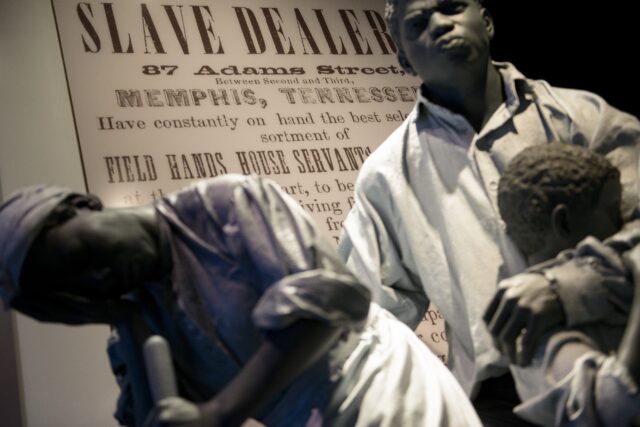
Board of Regents meeting minutes from late 2020 and 2021 reveal a deliberate effort to institutionalize Diversity, Equity, Accessibility, and Inclusion (DEAI) initiatives. These efforts included the creation of new staff training modules and a stated goal of using the museum to help the nation "grapple with important issues." While supporters viewed this as a necessary modernization of historical interpretation, critics saw it as an abandonment of the museum’s role as a neutral, unifying space.
The Trump Administration’s Intervention
The political landscape shifted dramatically when President Donald Trump returned to office. Early in his second term, the administration made clear its intent to curb what it termed "ideological capture" within federal agencies.
- March 2025: President Trump signed an executive order labeling the Smithsonian’s current trajectory as "divisive, race-centered ideology."
- July 4, 2026: The White House released a 162-page report, "Saving America’s Story," which provided a scathing audit of the museum’s exhibits.
- July 2026: Congressional committees held back-to-back hearings, forcing museum leadership to defend specific exhibit items, including controversial displays related to gender identity and historical figures like Benjamin Franklin.
The White House report specifically cited the "Electric Dr. Franklin" exhibit as a prime example of ideological overreach, criticizing its speculative claims that Franklin may have utilized enslaved people in his scientific research. The administration argued that such narratives seek to deconstruct rather than educate, effectively pushing a political agenda that alienates a large segment of the American public.

The Congressional Battlefield
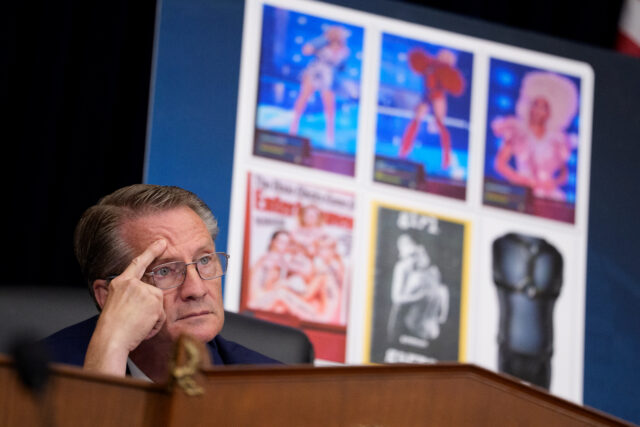
The July 2026 hearings represented a collapse of the bipartisan consensus that once shielded the Smithsonian from political interference. During the House Oversight Subcommittee proceedings, Republican lawmakers, led by Rep. Tim Burchett, utilized aggressive questioning to highlight items they deemed inappropriate for a public, taxpayer-funded institution.
The debate over specific artifacts—such as a sadomasochistic harness included in a gay history display—transformed the hearing into a proxy for broader national debates over gender, sexuality, and the appropriateness of modern progressive pedagogy in public museums.
In contrast, Democratic members of Congress, including Rep. Kweisi Mfume, defended the institution as a bastion of intellectual freedom. Mfume’s vow to protect the museum against what he perceived as a hostile takeover underscored the deep polarization surrounding the issue. Historian David Blight, appearing as a witness, characterized the administration’s pressure as an attempt to control the national narrative, drawing parallels to state-controlled cultural apparatuses in history.
Financial and Structural Risks
The Smithsonian’s reliance on the federal government for 62% of its $1 billion annual budget makes it exceptionally vulnerable to legislative pressure. As warnings of budget cuts intensify, the institution’s leadership is facing a crisis of sustainability. Secretary Lonnie Bunch’s resignation in September 2026, which he attributed to the intense stress of the current political environment, has left a leadership vacuum at a time when the Board of Regents must decide on the future direction of the institution.
With three of the nine citizen-led Board of Regent seats currently vacant—and three more set to expire shortly—the administration has a significant opportunity to reshape the governing body. The role of Chief Justice John Roberts, who heads the Board of Regents, remains a focal point for observers who wonder if he will intervene to maintain the Smithsonian’s independence or allow the board to succumb to the political pressure exerted by the current executive branch.
Implications for the Future
The controversy over the Smithsonian is not merely an isolated conflict between a museum and a presidential administration; it is a fundamental debate over who owns history. For some, the museum must serve as a "unified narrative" that celebrates the American experiment as a "net victory for the world." For others, history is inherently messy and requires the inclusion of previously marginalized voices to provide a full, honest account of the past.

The danger, according to some observers, is that in the process of fighting for the "correct" history, the institution risks losing the public’s trust entirely. If the Smithsonian is perceived as a partisan actor, it may struggle to fulfill its mandate as a national repository for all citizens.
As the nation approaches the conclusion of its 250th-anniversary year, the Smithsonian is forced to reconcile its desire for historical complexity with the political reality of its funding and governance. The outcome of this struggle will likely set a precedent for how American cultural and historical institutions navigate political polarization for decades to come. Whether the museum can regain its footing as a neutral, authoritative voice remains the central question facing its next leadership team and the American public at large.