Trump Rejects Iran Ceasefire Offer as U.S. Military Secures Passage of Millions of Barrels Through the Strait of Hormuz

President Donald Trump has firmly signaled that the United States is in no immediate rush to broker a diplomatic settlement with Tehran, opting instead to reject a comprehensive ceasefire and negotiation proposal put forward by the Iranian government. Speaking to reporters outside the White House on Saturday, President Trump addressed the current state of bilateral relations and the ongoing economic strain faced by the Islamic Republic, asserting that Iran is currently in a position of severe geopolitical weakness.
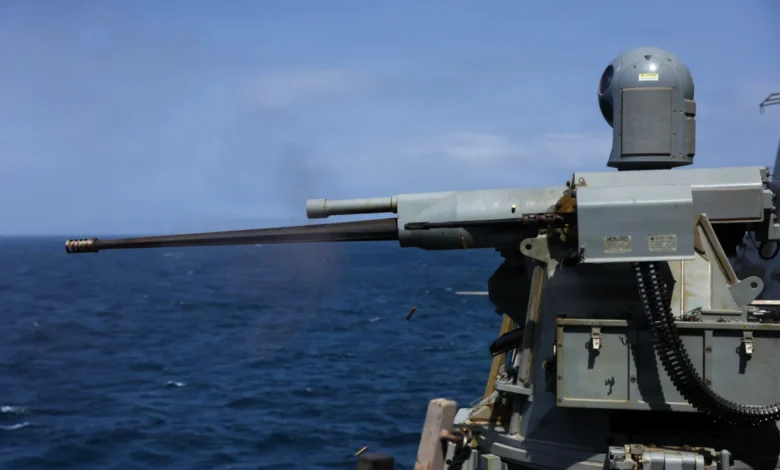
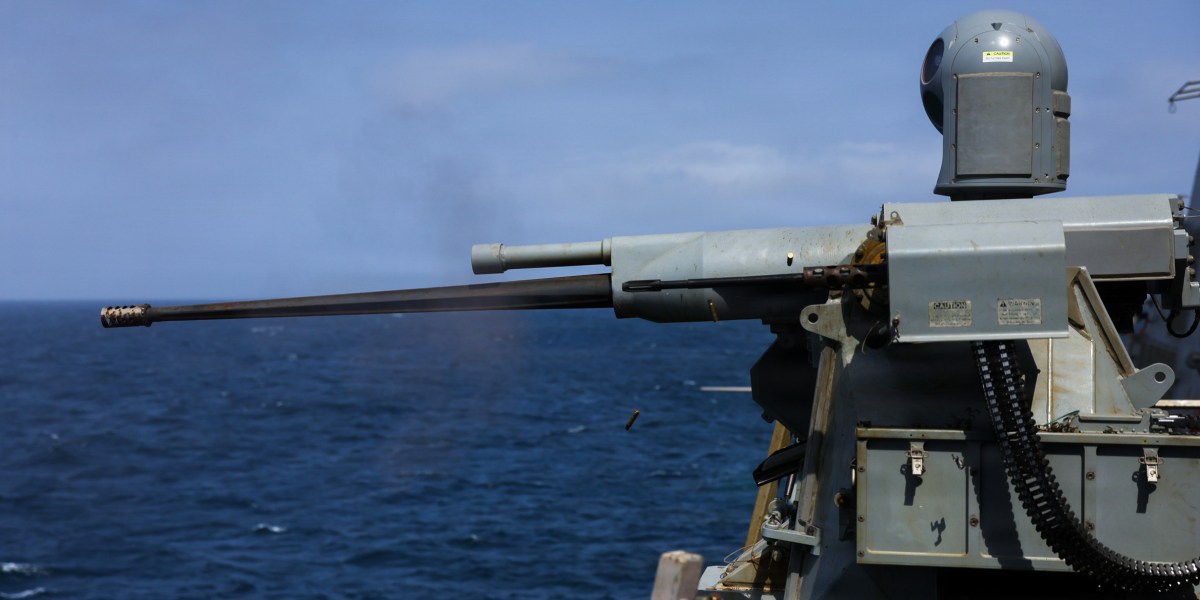
The rejection of Tehran’s latest diplomatic overture comes as the United States military continues to spearhead operations facilitating the transit of substantial volumes of crude oil through the critical and contested Strait of Hormuz. According to recent intelligence and maritime tracking data, the strategic waterways of the Persian Gulf are experiencing a steady rebound in tanker traffic, heavily bolstered by U.S. Central Command escorts and a series of targeted military actions designed to suppress Iranian defensive capabilities.
The Rejected Ceasefire Proposal and Strategic Calculus
The diplomatic impasse stems from a proposal recently submitted by the Islamic Republic. Under the terms of the rejected agreement, Tehran offered to implement a strict seven-day ceasefire, during which it would fully reopen the Strait of Hormuz to international shipping and resume long-stalled negotiations regarding its contentious nuclear program. In exchange, the Iranian administration demanded that the United States dismantle its comprehensive naval blockade, unfreeze billions of dollars in sovereign Iranian assets held abroad, and lift sweeping economic sanctions targeting the nation’s vital petroleum export sector.
President Trump dismissed the conditions outright, maintaining that while Washington remains open to a future pact, the current terms offered by Tehran are entirely unacceptable. "They want to make a deal and I think that’s fine," Trump told reporters, adding that Iran’s leadership is "losing so badly." He reiterated his willingness to negotiate under different parameters, but made it clear that Washington’s current strategic leverage discourages any hasty concessions.
Behind closed doors, the political horizon is heavily influenced by upcoming domestic electoral cycles. According to reports from the Wall Street Journal, President Trump has privately indicated to close aides and advisors that he anticipates resuming direct military strikes and bombing campaigns against Iranian targets in the aftermath of the midterm elections. By postponing major escalatory military actions until after the ballots are cast, the administration hopes to mitigate the domestic political fallout associated with potential spikes in retail gasoline prices and inflationary pressures on American consumers.
A Chronology of the Maritime Crisis
The current standoff is the culmination of nearly eight months of open conflict and maritime disruption in one of the world’s most critical energy chokepoints. The timeline of the crisis highlights the escalating friction between Washington and Tehran:
- Pre-Conflict Baseline: The Strait of Hormuz routinely handled roughly a fifth of the world’s petroleum consumption, serving as the indispensable artery for oil exports from major producers including Saudi Arabia, the United Arab Emirates, Kuwait, Iraq, and Iran itself.
- The Outbreak of War and Blockade: The closure of the strait nearly eight months ago triggered immediate global energy shocks, prompting the U.S. Navy to establish a rigid naval blockade designed to choke off Iranian revenues while protecting allied shipping.
- The July Respite: A brief, fragile ceasefire in July allowed international maritime traffic to temporarily rebound, though the diplomatic breakthrough quickly collapsed as localized skirmishes and attacks on commercial vessels resumed.
- Nighttime Escorts and Airstrikes: Following the collapse of the summer truce, the U.S. military continued to guide tankers through the hazardous corridor, though these operations were initially restricted to nighttime hours to minimize the risk of detection and targeting by Iranian anti-ship missiles and loitering munitions. To alter the tactical balance, the U.S. military subsequently executed a coordinated campaign of precision airstrikes that severely degraded Iran’s radar and surveillance networks, alongside extensive naval mine-clearing operations in the strait’s primary navigation channels.
- The Shift to Daytime Transits: With the Iranian threat significantly blunted, the U.S. military and regional Gulf partners transitioned to conducting daytime transits of oil tankers, drastically increasing daily throughput capacity.
Rebound in Oil Flows and Market Resilience
Contrary to dire early-war predictions of catastrophic global energy shortages and runaway crude prices, international oil markets have demonstrated unexpected resilience as the conflict approaches its eighth month. While crude prices remain elevated and refined petroleum products have weathered significant market shocks, worst-case economic scenarios have been averted primarily due to the partial reopening of the Strait of Hormuz under direct U.S. protection.
Data compiled by maritime intelligence firm Tanker Trackers revealed that the total volume of crude oil successfully exiting the U.S. blockade line reached approximately 13 million barrels per day.
"The numbers have doubled in less than a month," Tanker Trackers reported in a public update. Independent energy analysts, including Rory Johnston, corroborated these assessments, estimating a slightly higher seven-day moving average of approximately 13.5 million barrels per day clearing the strait.
This recovery in export volume is attributed to two primary developments. First, Saudi Arabia has resumed routing a substantial share of its petroleum shipments directly through the Persian Gulf. Earlier in the conflict, Riyadh had diverted a significant portion of its exports via the domestic East-West Pipeline to Red Sea ports in an effort to bypass the volatile waters of the Gulf. However, a series of drone and missile attacks orchestrated by Iran-backed Houthi fighters in Yemen and aligned militias in Iraq targeted critical Saudi energy infrastructure, prompting Riyadh to pause its reliance on the bypass and return to traditional Gulf maritime routes.
Second, the elimination of Iranian coastal surveillance capabilities has enabled U.S. Central Command to establish regular daytime convoy operations, allowing a much higher volume of merchant vessels to navigate the narrow channel safely.
The Hidden Costs of Maritime Passage
Despite the impressive rebound in export volumes, energy economists emphasize that moving petroleum through an active combat zone remains an exceptionally costly endeavor. Although the physical oil is successfully reaching international markets, the logistical overhead required to ensure safe passage imposes a severe financial penalty on producers and shippers.
According to industry assessments, the additional expenses associated with navigating the strait—including hazard pay for maritime crews, soaring war-risk marine insurance premiums, and specialized security measures—add between $30 and $40 per barrel to the cost of delivery, independent of the operational expenditures borne directly by the U.S. military.
"I continue to stress that while a lot of oil is getting out of Hormuz, the cost of getting those barrels out is very high," Johnston noted in an analysis of the logistical data. Analysts warn that this elevated cost structure creates a fragile economic balance; if global benchmark crude prices were to experience a sudden downward correction, or if Gulf exporters attempt to artificially inflate their asking prices, the current operational model could quickly become economically unviable for shipping firms.
Economic Strangulation and Broader Implications
While international markets have adapted to the persistent instability, the domestic situation inside the Islamic Republic continues to deteriorate rapidly. U.S. officials maintain that time is firmly on the side of the Western coalition, as the combined pressure of the naval blockade and newly enacted international financial sanctions exact a devastating toll on the Iranian economy.
The economic strangulation has manifested in rampant inflation, severe domestic shortages of refined gasoline, a plummeting national currency, and mounting strains on social cohesion within Iran. Recent leadership shifts in Tehran, marked by the consolidation of power under Supreme Leader Mojtaba Khamenei, have done little to stem the compounding economic crises, leaving the regime with increasingly narrow options to sustain its military apparatus and quell internal dissent.
The broader geopolitical implications of the ongoing standoff point toward a protracted war of attrition. By rebuffing Tehran’s ceasefire terms, the Trump administration has communicated that Washington intends to maintain maximum pressure until the Iranian state faces absolute systemic collapse or is forced to capitulate to more stringent American demands regarding its nuclear ambitions and regional proxy networks.
As the U.S. military solidifies its control over the maritime corridors of the Persian Gulf, and with domestic political considerations guiding the timeline of Washington’s long-term military strategy, the prospects for a negotiated peace remain distant. For global energy markets, the immediate future will depend heavily on the continued ability of the U.S. Navy to secure the Strait of Hormuz against persistent threats, keeping the vital flow of petroleum moving despite the exorbitant costs of war.